The Four Ways to Buy DEF in Bulk
Once a fleet burns more than a few gallons of DEF a week, jugs stop making sense. The price per gallon drops as the container grows, and so does the handling time. The four formats:
- 2.5-gallon jugs run $8–$20 per gallon at retail. Fine for a pickup, painful for a fleet. Full channel pricing is in how much DEF costs.
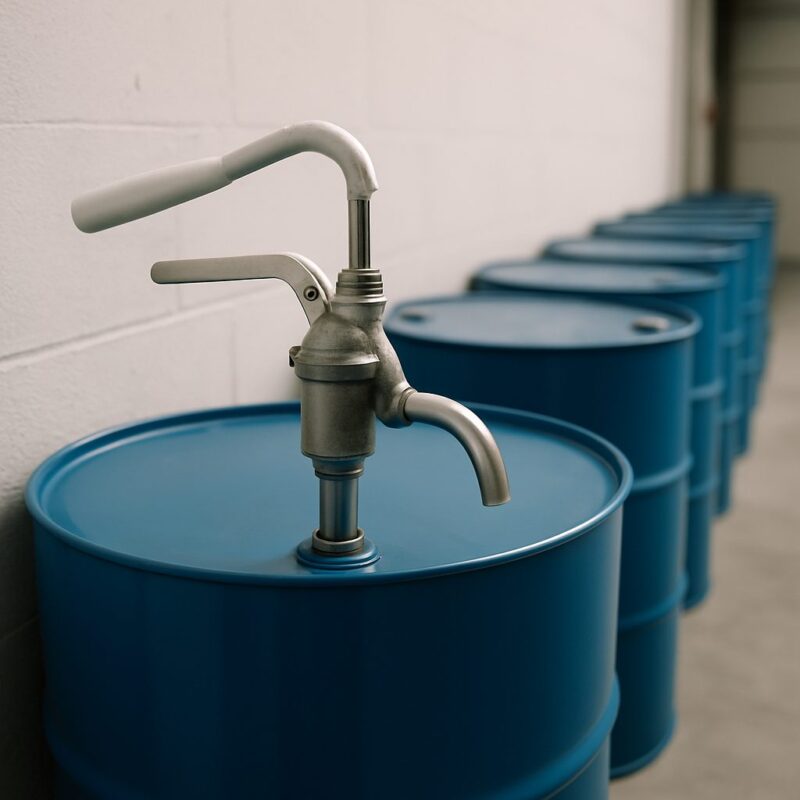
- 55-gallon drums run roughly $3–$6 per gallon delivered. The entry point for small fleets and shops. A drum needs a hand pump or electric drum pump and a dry place to live.
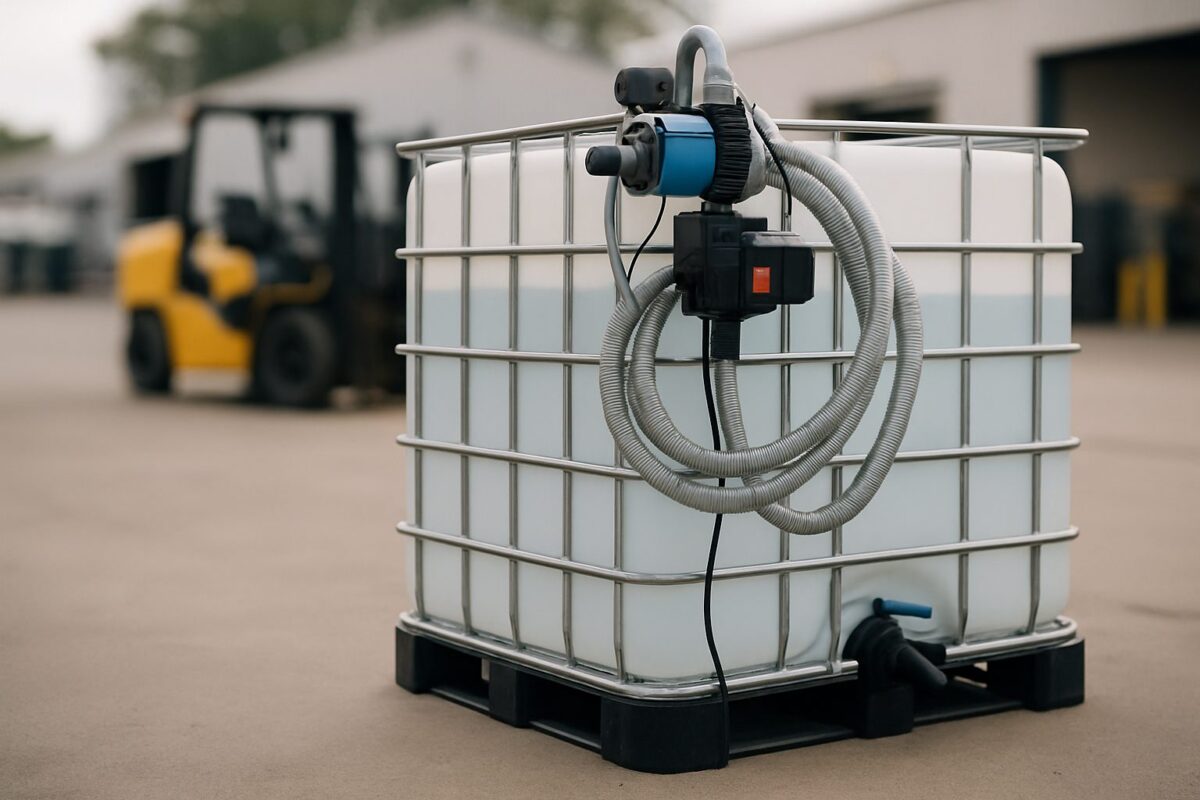
- 275–330 gallon totes (IBCs) run roughly $2.50–$4.50 per gallon delivered. The standard fleet format: forkliftable, stackable, and refillable on exchange programs from regional suppliers.
- Mini-bulk and bulk tanks (500–10,000+ gallons) run under $2.50–$3 per gallon for scheduled deliveries. Yard fuel islands and high-volume fleets live here, often with the DEF dispenser plumbed next to the diesel pump.
Pumped DEF at truck stops and card-lock islands sits between jug and tote pricing. It saves handling entirely but only fills the vehicle in front of the nozzle. The math below tells you when each format wins.
The Break-Even Math by Fleet Size
DEF consumption runs 2–4% of diesel burn. A truck using 20,000 gallons of diesel a year needs roughly 400–800 gallons of DEF. Work from that:
- 1–3 trucks: pump fills plus a drum for the yard. Tote volume risks aging out before you use it (shelf life below).
- 4–10 trucks: tote territory. One 330-gallon tote a quarter, roughly $700–$1,200 saved per year versus jugs, more versus retail pumps.
- 10–30 trucks: tote exchange on a schedule, or a small bulk tank if trucks fuel at the yard.
- 30+ trucks or equipment fleets: bulk tank with scheduled delivery. At this volume the per-gallon spread versus jugs pays for the dispensing equipment inside the first year.
Semi-truck-specific consumption math lives in our DEF for semi trucks guide.
Pumps, Fittings, and Dispensing Equipment
DEF corrodes brass, copper, and carbon steel, and it picks up contamination from any equipment that touched other fluids. The equipment rules:
- Materials: stainless, EPDM, polyethylene, and Viton-family seals only. A diesel transfer pump is disqualified the moment it touches DEF.
- Tote fittings: IBC totes use a coarse-thread valve; DEF tote kits pair the adapter with a hand or 12V/110V pump. Piusi is the name fleets search for, and their DEF-specific pump kits are the standard for good reason.
- Drum pumps: rotary hand pumps move about a gallon per 8–10 strokes; electric drum pumps make sense past a drum a month.
- Bulk dispensers: metered pumps with auto-shutoff nozzles, same discipline as fuel. Keep the nozzle capped and off the ground. An open nozzle is a contamination port.
- Dedicated everything: one funnel, one pump, one nozzle, DEF only, forever. Cross-contamination is invisible and cumulative.
Storing Bulk DEF Without Ruining It
Bulk buying only saves money if the fluid is still on-spec when it reaches the tank. The rules compound with volume, because a ruined tote hurts more than a ruined jug:
- Temperature: 12°F to 86°F is the happy range. Sealed and cool, DEF lasts about two years; stored hot, shelf life collapses to months. The full breakdown is in our DEF shelf life guide.
- Sunlight: UV degrades DEF and grows algae in translucent totes. Indoor storage or an opaque cover, always.
- Freezing: DEF freezes at 12°F and thaws back to full potency, but a full sealed tote can split from expansion. Leave headspace in winter, and see when DEF freezes for the state-by-state timing.
- Turnover: size deliveries so stock turns inside 6–12 months. Date-code every container on arrival and run first-in, first-out.
- Certification: buy API-certified fluid meeting ISO 22241 regardless of format. Bulk pricing from an uncertified source is not a discount, it is a gamble with SCR hardware.
Treating Bulk DEF: The Fleet Move
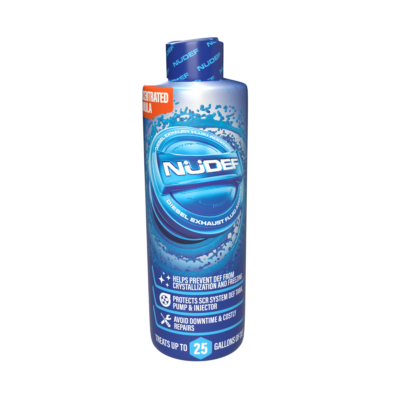
Stabilizing DEF at the point of storage is where treatment gets cheap. one 8 oz bottle of NüDef DEF Treatment & Stabilizer treats up to 25 gallons, so the protocol is dosing as fluid is dispensed, and fleets running totes buy by the case through the wholesale program. Treat on delivery and every gallon dispensed afterward carries the protection: slower heat degradation in storage, and no crystal buildup in the dosing injectors and lines of every truck that fills from that tote. For fleets, treating the tote beats treating truck-by-truck on both labor and coverage. Volume pricing for treatment lives in our bulk additive fleet program, and wholesale terms are at nudef.com/wholesale.
Setting Up a Yard DEF Station: The Walkthrough
A yard station is a half-day project done right, and it pays back every week afterward. The pieces:
- Location: indoors or under cover, off direct sun, away from the fuel island’s diesel splash zone, on a spill-containment pallet if your state requires secondary containment for the volume.
- The tote stand: raising the tote 12–18 inches lets gravity help the pump and keeps the valve above splash height. A pallet on blocks works; purpose-built stands are cheap.
- The pump and hose run: a 12V or 110V DEF pump kit, the shortest hose that reaches the fill point, and an auto-shutoff nozzle. Long hose runs hold fluid that ages between uses.
- The nozzle holster: capped and off the ground, always. Most yard contamination enters through a nozzle that lived on the gravel.
- The log: a laminated sheet on the cage: delivery date, date code, gallons dispensed, treatment added. Thirty seconds per fill, and the whole program becomes auditable.
- The treatment step: add NüDef when the tote lands, note it on the log, done. one bottle per 25 gallons dispensed, noted on the log, is the entire protocol.
How Totes Actually Go Bad
Bulk DEF failures are boring and preventable. The real-world causes, in order:
- The borrowed pump. Someone moves coolant or fuel with the DEF pump once. The tote is done and nobody knows until trucks throw codes. Dedicated equipment prevents the whole category.
- Sunlight on a translucent tote. UV plus summer heat degrades urea and grows algae. The fix costs a tarp.
- The open valve drip. A weeping valve wicks in dust and evaporates water out, drifting concentration off-spec. Check the valve seal at every delivery.
- Stale stock. The tote bought on a volume deal that took eighteen months to empty. Size deliveries to turnover, not to the discount.
Field check: on-spec DEF is crystal clear, like water. Cloudiness, particles, or a strong ammonia smell at the fill point mean stop and test before another truck fills. A refractometer reading (32.5% target) costs $30 and settles arguments; our shelf life guide covers the full testing routine.
Winter Logistics for Bulk DEF
Freezing does not ruin DEF, but it complicates dispensing. A frozen tote is 300 gallons of ice you cannot pump, and it thaws on its own schedule. Practical winter rules: keep the working tote indoors or in a heated enclosure; leave 10% headspace before hard freezes (DEF expands about 7%); never heat a tote with open flame or high-watt immersion heaters, because localized heat degrades the urea; and in genuinely cold regions, consider drum deliveries for winter months so the working container is small enough to keep warm. The state-by-state freeze calendar is in when DEF freezes, and vehicle-side cold behavior in the DEF heater guide.
Where to Buy Bulk DEF
- Fuel distributors: most regional diesel jobbers deliver DEF totes and bulk alongside fuel. If someone already delivers your diesel, start there.
- DEF-specialty and lubricant distributors: tote exchange programs, loaner tanks, and dispensing equipment packages.
- Farm and industrial retail: drums and totes off the shelf in ag country, often at surprisingly sharp prices.
- National auto parts and big-box: drums by order; fine for shops that need a step up from jugs without a delivery account.
Channel-by-channel retail comparison is in where to buy DEF fluid. Whatever the source: API certification on the paperwork, date codes on the containers, and a delivery cadence matched to your turnover.