The Two Ways DEF Reaches Your Tank
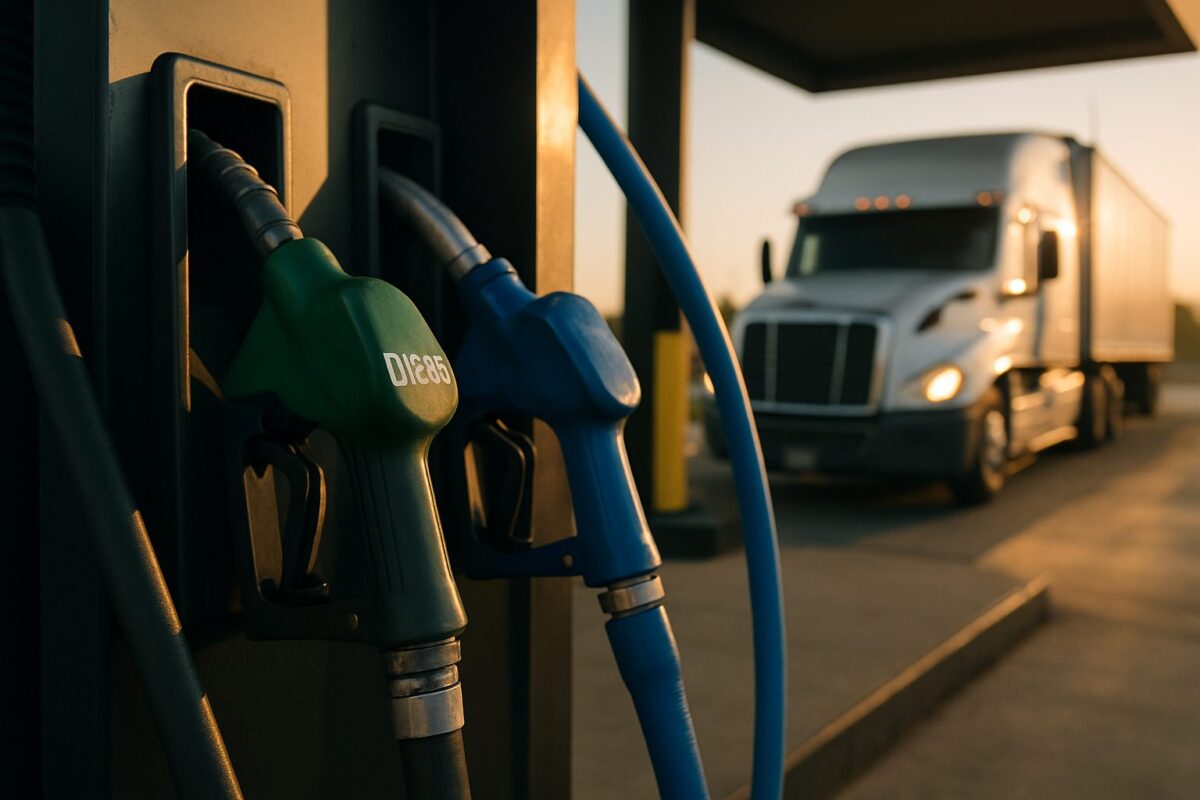
Every gallon of DEF gets to a truck one of two ways: dispensed at a pump lane alongside the diesel, or poured from a packaged jug or tote. Same fluid standard, very different economics and habits. Pump DEF at truck stops typically runs $3 to $4.50 a gallon; packaged 2.5-gallon jugs at retail run $5 to $8 per gallon equivalent. For a semi burning 2 to 3 gallons of DEF per 100 gallons of diesel, that spread is real money over a year.
The catch is that price is not the whole decision. Freshness, handling, and what happens to the fluid after it leaves the nozzle decide whether cheap DEF stays cheap. We make NüDef DEF Treatment & Stabilizer because that second half of the equation is where owners actually lose money, and this guide covers both halves: buy the fluid right, then keep it right.
What Pump DEF Gets Right (and Where It Bites)
- Turnover is the quiet advantage. A busy fuel island cycles its DEF storage constantly, so the fluid is almost always fresh. Freshness is most of the quality battle, per the shelf-life rules.
- Closed dispensing. Sealed lines from underground storage to nozzle mean no dusty funnels and no open jugs, the two classic contamination paths.
- Where it bites: a slow lane at a quiet station can hold old fluid, and you cannot see it. A nozzle dropped in gravel and jammed back in the holster picks up grit. If a station’s DEF lane looks neglected, its fluid probably matches. Trust the busy lanes, and treat the fill: a shot of NüDef helps prevent crystallization between the pump and the doser.
- Pickup drivers pay a convenience tax either way: car-side DEF pumps remain rare, so most pickup owners end up on the jug side of this comparison whether they like it or not.
What Jugs Get Right (and Where They Bite)
- Sealed and dated. A capped jug with a readable date code from a high-turnover shelf is a known quantity, and you can carry a spare, which no pump offers on a back road.
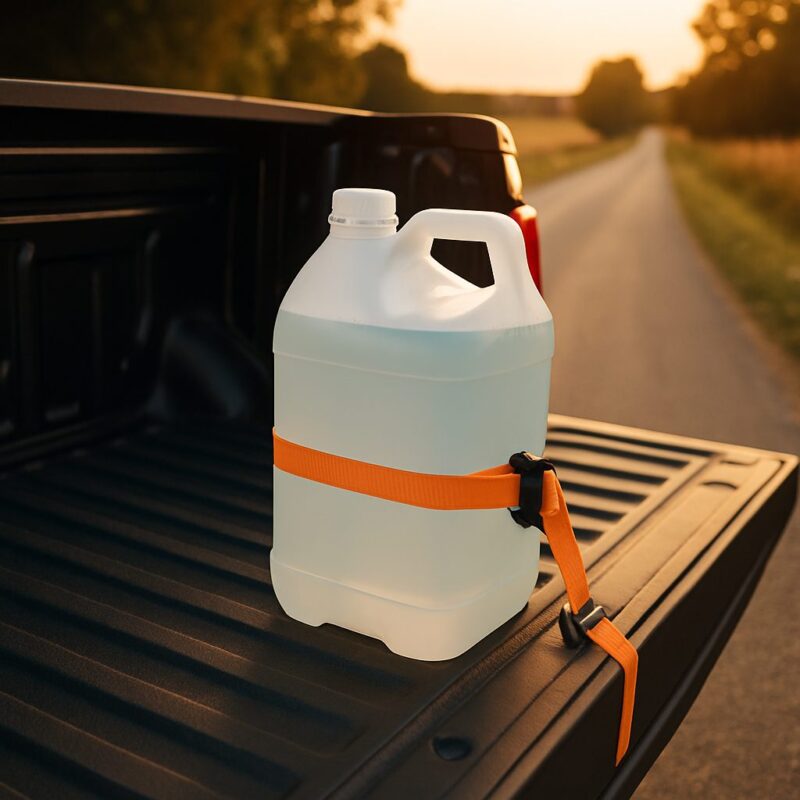
- The bite is everything after opening. The half-used jug that lives in the truck bed through a summer is the single most common source of degraded fluid we hear about. Heat cooks it, the open cap breathes, and six months later it triggers the quality warning its label never mentions. A treated jug survives this; an untreated one is the most expensive cheap fluid you can own.
- Price is the standing penalty: $5 to $8 per gallon equivalent, plus the temptation to stretch a stale jug because it is already paid for.
The Playbook by Operator
- OTR and regional trucks: pump DEF at busy lanes, with NüDef added at the fill. Cheapest fresh fluid available, stabilized for the miles and heat between stops.
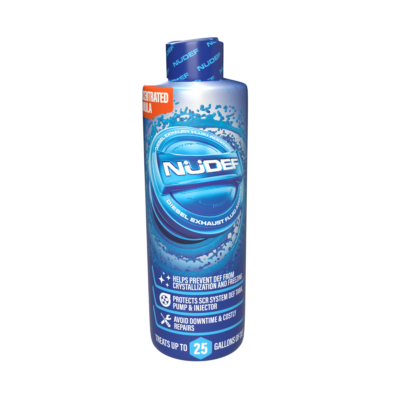
- Pickups and light trucks: sealed jugs from busy retailers, date codes checked, every fill treated, and the spare kept sealed. One 8 oz bottle of NüDef treats up to 25 gallons.
- Fleets and yards: neither. At fleet volume, bulk totes with closed transfer beat both channels on price, dosed with NüDef at the tote so every gallon dispensed is already stabilized. That combination is the wholesale program.
- Equipment that sits: whatever the source, fluid that sits in a machine’s tank between jobs is where quality goes to die. That is a treatment problem, not a purchasing one.
The Part Neither Channel Solves
Pump or jug, the fluid’s life after the fill is identical: it rides in a tank through heat, cold, and downtime, drifting off its 32.5% spec exactly as fast as conditions push it. The channel decides how good the fluid is on day one; what happens by day sixty is up to you. NüDef DEF Treatment & Stabilizer helps prevent crystallization from either starting point, and helps protect the pump and injector regardless of where the gallon came from. One 8 oz bottle treats up to 25 gallons. Order direct at nudef.com, and fleets can pair bulk buying with treatment through the wholesale program, pairing bulk pricing on the fluid with treatment on every gallon of it.