What Is a DPF?
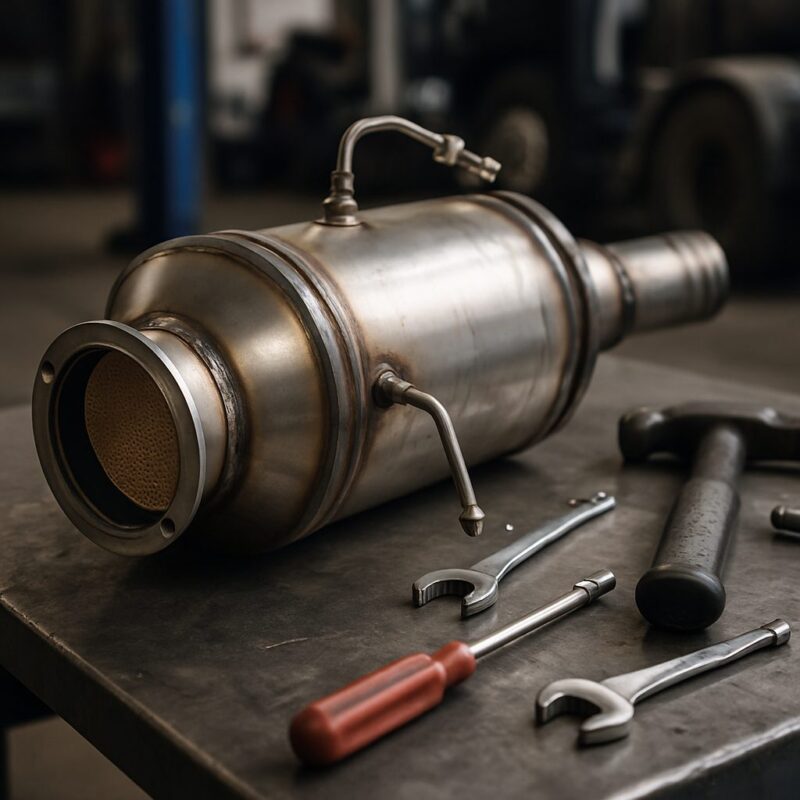
A diesel particulate filter (DPF) is a ceramic honeycomb in your exhaust that traps soot — the black particulate matter diesels are famous for — before it leaves the tailpipe. Every diesel pickup and truck built since roughly 2007 has one. Exhaust flows through porous channel walls; soot stays behind, and the filter physically holds it until the truck burns it off. A healthy DPF captures better than 95% of particulate emissions, which is why modern diesel exhaust looks clean even under load.
The DPF is one of three emissions systems working together downstream of your engine, and knowing the order matters when you diagnose problems:
- DOC (diesel oxidation catalyst) — first in line. Oxidizes unburned fuel and carbon monoxide, and generates the heat regens depend on. A weak DOC is a hidden root cause of chronic regen trouble.
- DPF — second. Traps and stores soot until regeneration burns it off.
- SCR system — last. Converts NOx using DEF injected ahead of the catalyst (full walkthrough in what is SCR).
Different jobs, different consumables, one integrated aftertreatment system — and one shared exhaust stream, which is why trouble in any stage shows up as symptoms in the others.
What Is a Regen?
Soot fills the DPF as you drive, and a full filter chokes the engine like a plugged air filter in reverse. Regeneration (“regen”) is how the truck empties it: raise exhaust temperature high enough — roughly 1,100°F inside the filter — and the trapped soot oxidizes into a small amount of ash and CO2. There are three kinds:
Passive Regen
Happens invisibly during highway driving, when exhaust heat alone is enough to burn soot continuously as it arrives. No fuel penalty, no driver awareness, no wear. Trucks that work hard at sustained speed may rarely need anything else — which is exactly why duty cycle dominates DPF health.
Active Regen
The truck intervening. When soot load crosses a threshold (the ECM tracks it via pressure differential across the filter), the computer injects extra fuel into the exhaust stream — either late in-cylinder or through a dedicated doser — to push filter temperature up and burn the backlog. You may notice a higher idle, a hot smell, louder fan, exhaust shimmer, and a dip in fuel economy for 20–40 minutes. Modern trucks run active regens roughly every 100–500 miles depending on duty; hard-working highway trucks stretch far longer.
Forced (Parked) Regen
The shop procedure — initiated with a scan tool while parked, engine held at elevated RPM for 30–60 minutes — for when the filter is too loaded for active regen to run safely. Dealers and shops charge real money for it ($200–$600 is common), and if you need forced regens regularly, something upstream is wrong: duty cycle, DOC, injectors, or sensors.
DPF Warning Stages: What the Lights Mean
Manufacturers stage DPF warnings by soot load, and the stages escalate predictably:
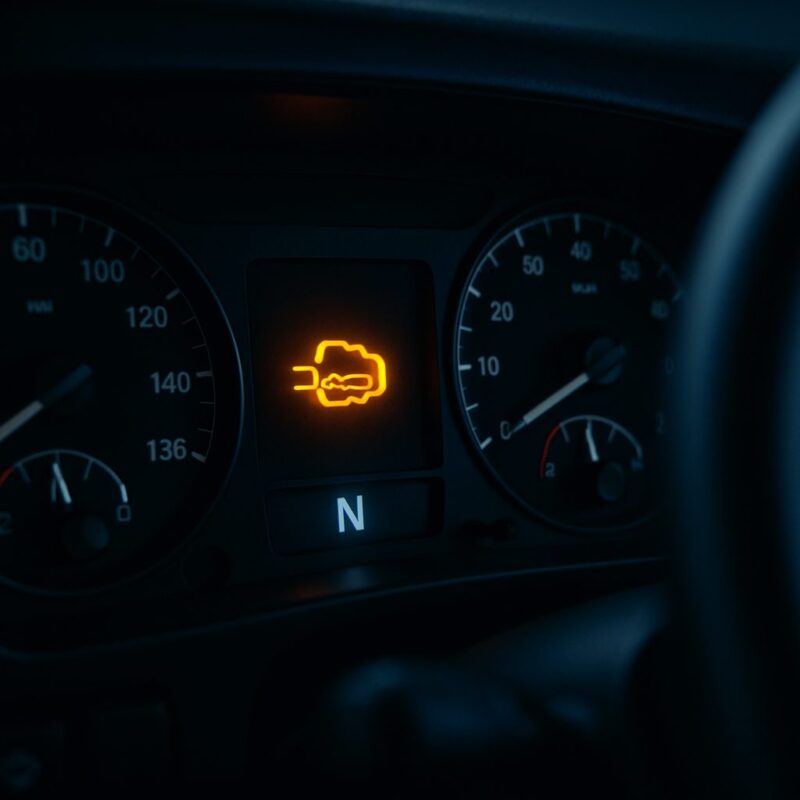
- Stage 1 — DPF lamp on: soot load high; the truck wants a regen. Action: get it on the highway and let an active regen complete. Fully recoverable.
- Stage 2 — DPF lamp flashing / check engine: regen overdue; the ECM may begin limiting power. Action: complete a regen immediately or have a forced regen performed. Still recoverable.
- Stage 3 — derate: soot load critical; power and speed limited to protect the engine. A forced regen may still clear it, but you are one step from the worst case.
- Stage 4 — filter overload: beyond safe burn-off. Regenerating a massively overloaded filter can crack or melt it, so the ECM refuses; the filter comes off for professional cleaning or replacement. This is the $3,000–$8,000 outcome the earlier stages exist to prevent.
The pattern to internalize: every stage is cheaper than the one after it. Ignoring a DPF lamp is the most expensive fuel-saving strategy in trucking.
Why Regens Fail (and Why City Trucks Suffer)
Regen needs sustained heat, and heat needs sustained load. Short trips, stop-and-go routes, and long idling never let exhaust temperatures climb, so soot accumulates faster than passive regen can clear it — the classic pattern behind trucks that seem to live in active regen. Interrupting active regens repeatedly (shutting down mid-cycle) compounds the problem until the only options are forced regens and, eventually, filter removal.
Beyond duty cycle, the recurring mechanical culprits:
- Weak or contaminated DOC — cannot generate regen temperature; regens start and never finish.
- Leaking or worn injectors — overfuel the cylinders and overload the filter with soot faster than design assumptions.
- Faulty differential-pressure or temperature sensors — the ECM regens too often, too rarely, or aborts mid-cycle on bad data.
- EGR problems — excess recirculation raises soot production at the source.
- Ash accumulation — regens burn soot but leave incombustible ash from engine oil; past the service interval, the filter’s usable capacity shrinks and regen frequency climbs even on a healthy truck.
Failed regens also cascade into the SCR side. Excess soot and incomplete cycles stress the same sensor suite the truck uses to manage DEF dosing — and hot, frequent regens bake crystallized deposits onto the DEF injector. If your truck is cycling through regens and throwing SCR codes, work the diagnostics together rather than parts-cannoning one side; our NOx sensor guide covers the usual suspects.
DPF vs DEF: Two Systems, One Exhaust
Owners mix these up constantly, and the confusion is expensive. The clean version:
- The DPF traps soot. It consumes nothing — it regenerates with heat and eventually needs ash cleaning.
- The SCR system neutralizes NOx. It consumes DEF, injected continuously ahead of the SCR catalyst, and never “regenerates” — it doses.
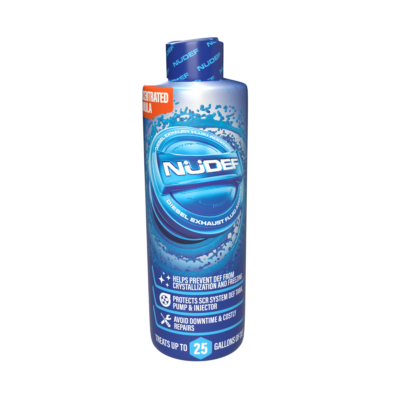
A “DPF light” and a “DEF light” are different warnings with different fixes: the first wants heat, the second wants fluid or dosing-system service. But the systems share plumbing, sensors, and failure cascades. A truck stuck in regen runs hotter exhaust past the DEF injector, cooking deposits onto it; crystallized DEF at the injector changes dosing and exhaust chemistry, which surfaces as SCR efficiency codes right when you are fighting regen problems. The two most useful habits: read which system the code actually belongs to before buying parts, and keep the DEF side clean — fresh fluid treated with NüDef DEF Treatment & Stabilizer — so it never becomes a variable in the regen diagnosis. If deposits are already there, start with how to clean a DEF injector.
DPF Cleaning: The Ash Service Nobody Budgets For
Regens burn soot, but the incombustible ash from engine oil additives stays behind and slowly fills the filter from the outlet end. Heavy trucks typically need professional DPF cleaning every 200,000–400,000 miles; pickups working hard can need it sooner than owners expect. The signs: regen frequency climbing on an otherwise healthy truck, and differential pressure reading high right after a completed regen.
Professional cleaning (pneumatic + thermal bake, typically $300–$700) restores most capacity and is dramatically cheaper than the $3,000–$8,000 replacement filter. Two levers slow ash accumulation: low-ash CK-4/FA-4 engine oils, formulated specifically for DPF-equipped engines, and fixing oil-consumption problems early — burned oil is ash in the pipeline.
The Delete Question, Answered Honestly
Search data says plenty of frustrated owners ask what a DPF delete costs. The honest answer: deleting emissions equipment is a federal Clean Air Act violation with real fines for shops and owners, it voids your warranty, it fails inspection in a growing list of states, and EPA enforcement against delete shops has been aggressive for years — seven-figure settlements are on the public record. A deleted truck is also worth meaningfully less at trade-in and can be refused outright by dealers and lenders.
The frustration that drives owners toward deletes — endless regens, derates, sensor codes — is almost always a maintainable root cause: driving profile, a failing DOC, injector deposits, ash service due, or degraded DEF. Fix the cause; keep the truck legal, warrantied, and sellable.
Keeping the Whole Aftertreatment System Happy
- Let regens finish. If the truck starts an active regen, give it the drive time to complete. Interrupted cycles are how filters plug.
- Work the truck. A weekly 30–45 minute highway run at load is the cheapest DPF maintenance there is for short-trip trucks.
- Respect the warning stages. A solid lamp costs you a highway drive; a flashing one may cost a forced regen; ignoring both costs a filter.
- Watch the ash interval. Budget the cleaning before regen frequency forces the issue.
- Use low-ash oil. CK-4/FA-4 oils exist specifically to slow DPF ash loading.
- Keep the DEF side clean. Fresh, certified fluid, treated with NüDef — because SCR problems and DPF problems feed each other. Fleet-scale routines are in our semi truck DEF guide, storage rules in the DEF storage guide, and if you ever run the tank dry mid-cycle, here is what happens when DEF runs out.