A modern semi burns diesel exhaust fluid the way it burns coffee: constantly, unglamorously, and with real consequences when the supply goes wrong. If you run a truck for a living, DEF is a line item, a maintenance variable, and occasionally the reason a 40-ton machine limps home at 5 mph. This guide covers DEF for semi trucks end to end: how much you actually use, what it costs over a year, where to fill without getting stale fluid, the failure modes that put trucks in the shop, and the habits (and one cheap bottle) that keep the whole system boring.
How Much DEF a Semi Actually Uses
The working rule: DEF consumption runs 2-3% of diesel consumption on most late-model Class 8 trucks. Put real numbers on it: a truck burning 100 gallons of diesel in a hard week of work goes through roughly 2-3 gallons of DEF; an owner-operator running 120,000 miles a year at 6.5 MPG burns about 18,500 gallons of diesel and therefore something like 370-550 gallons of DEF annually. Consumption rises with load, speed, and aggressive aftertreatment duty cycles, and drops on light runs. Semi DEF tanks run roughly 13 to 23 gallons depending on chassis spec, which means a full tank covers about 2,000-4,000 miles of typical work; most drivers settle into topping off every second or third diesel fill. The dash gauge is famously coarse on many trucks, so mileage-based habit beats gauge-watching.
The Annual DEF Bill, Honestly
At typical pump-island and retail prices, that 370-550 gallon year lands somewhere between $1,200 and $2,500 per truck per year, swinging with how much you pay per gallon: bulk island fills at the low end, last-minute 2.5-gallon jugs at the high end. Three cost levers matter. Buy at the island when you can: per-gallon pricing at the DEF pump beats packaged fluid by a wide margin. Plan fills like fuel: the emergency jug bought at a gas station at midnight is the most expensive DEF in America. Protect the system: the real DEF budget killer is never the fluid, it is the $400 doser, the $500 quality sensor, or the $3,000-plus SCR repair that follows contaminated or crystallized fluid. The fleet ROI math scales all of this by ten or fifty trucks, and the conclusion holds at every scale: fluid is cheap, hardware is not, and prevention is the cheapest line on the whole sheet.
Where to Fill: Pump Island vs Packaged
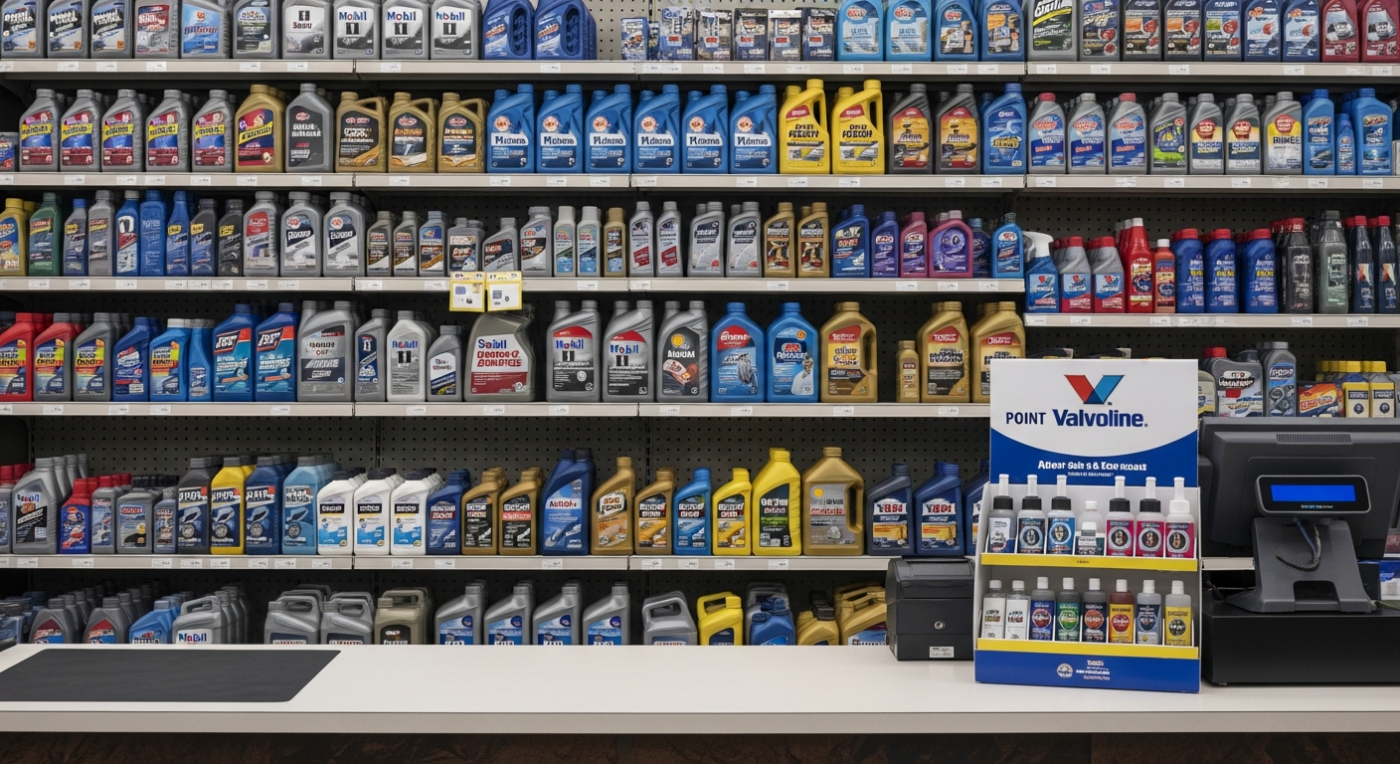
Semis have the best DEF supply chain in the country available to them: high-volume truck-stop pump islands turn their DEF over fast, which matters because freshness is the quality variable drivers can actually control. The practical hierarchy: busy pump islands first (high turnover, dispensed through closed equipment), sealed packaged fluid second (check the date code, buy from stores that move product), and dusty shelf jugs last. Two habits protect every fill: make sure the nozzle and filler neck are clean before they meet (grit at the neck is a common contamination path), and keep a sealed 2.5-gallon jug in the side box as the emergency reserve so a low-DEF derate never forces a desperation purchase. Whatever the source, certified fluid is certified fluid; as our brand-mixing guide covers, every ISO 22241 fluid mixes freely, so topping off with whatever certified brand the next stop carries is standard practice, not a compromise.
The Derate Ladder: What Happens When DEF Runs Low or Goes Bad
Emissions rules require the truck to enforce its own DEF discipline, and every driver should know the ladder before meeting it. Low DEF triggers warnings, then a torque reduction, then, ignored long enough, a speed limit that ends around 5 mph: the infamous limp that turns a schedule into a tow decision. Bad DEF (diluted, contaminated, or degraded) trips the quality sensor instead, and the countdown runs on a similar schedule with the same destination. The critical difference: low DEF is fixed with a fill, while a quality fault usually persists until the underlying cause is resolved and the system re-checks, which can mean a shop visit at exactly the wrong time. Persistent codes after a fresh fill belong to the diagnostic sequence in our trouble-code guide; the P20E8-family pressure and quality codes have their own dedicated walkthrough.
Why Semi SCR Systems Are a Different Animal Than Pickups
Plenty of DEF advice online is written for diesel pickups, and semis deserve their own chapter. A Class 8 aftertreatment system runs a much larger catalyst brick, doses at far higher rates (that 2-3% of a big rig’s fuel burn is a river compared to a pickup’s trickle), and on many platforms uses air-assisted dosing, which adds an air supply and its own failure points to the plumbing. Duty cycles differ too: an OTR tractor at steady highway load keeps its exhaust hot and its SCR system happy, while regional and vocational trucks with heavy idle and stop-start work run cooler exhaust that invites both soot load and urea deposits. The economics scale accordingly: semi dosers, pumps, and sensors cost more than their pickup cousins, catalyst assemblies far more, and a day of downtime carries revenue with it. The prevention math that is merely sensible for a pickup owner is compulsory for a truck that has to earn its keep, and it is why fleets institutionalize fluid quality rather than leaving it to each driver’s habits.
DEF, Regens, and the Cooked-Fluid Cycle
The DPF and the SCR system share the same exhaust stream, and their interaction matters for fluid care. Active regenerations push exhaust temperatures high to burn soot, which also heat-soaks everything nearby, including the DEF lines and, on long or repeated regens, the tank itself on some layouts. Trucks doing lots of short-haul work regen more often, so their DEF lives hotter, ages faster, and crystallizes sooner: the same duty profile that stresses the DPF quietly stresses the fluid. Two practical rules follow. Let regens finish: interrupted regens repeat, and repetition multiplies the heat exposure along with the fuel cost. And match fluid care to duty: the harder your truck works its aftertreatment, the more the freshness-and-stabilization playbook in this guide pays, because heat is the enemy on both sides of the system.
The Failure Modes That Actually Park Semis
Semi SCR systems fail in patterns, and knowing them converts mystery breakdowns into maintenance items. Injector crystallization leads the list: the doser tip lives in exhaust heat, spray dries between pulses, and urea crust slowly distorts the pattern until codes arrive; cleaning is a procedure (covered here), but recurrence means the fluid itself needs attention. Quality-sensor faults come next, sometimes from genuinely bad fluid, sometimes from crystal-coated sensing elements telling honest lies. Pump failures follow contamination and age (diagnosis guide). And winter adds its own chapter: DEF freezes at 12°F by design, tank and line heaters handle it in operation, but weak heaters, long cold soaks, and gelled dosing lines produce a crop of January no-dose codes every year; our winter guide covers the prevention. The common thread through all four: fluid condition upstream, hardware bills downstream.
Case, Drum, or Island: The Owner-Operator Buying Math
Three ways to buy DEF, three different per-gallon realities. Pump islands win on price and freshness for on-road fills and should carry most of your volume. 2.5-gallon cases bought from high-turnover retailers cost more per gallon but earn their place as the side-box reserve and the home-base top-off, provided the date codes are checked and storage is indoors. Drums and totes tempt owner-operators with bulk pricing, and here the math gets honest: a 55-gallon drum is 3-6 months of fluid for a single truck, which is fine, but only with a dedicated closed pump, indoor storage, and the discipline to keep the equipment clean, because one dirty drum pump can contaminate the entire remaining volume and everything it touches downstream. For one truck, the island-plus-case combination is usually the sweet spot; drums start making sense at two or three trucks and become obvious at fleet scale, where the bulk program pairs the supply with stabilization in one motion. Whatever the channel, the same three checks apply: certification on the label, a date code you have read, and equipment that touches nothing but DEF.
Carrying and Storing DEF on a Working Truck
The side-box jug deserves more thought than it gets. DEF ages fastest in heat, and a black side box in a Texas summer is an accelerated-aging chamber, so rotate the emergency jug into the tank every couple of months and replace it fresh rather than letting it ride for a year. Keep it sealed until needed, keep a dedicated clean funnel or spout with it, and date the jug with a marker at purchase. Owner-operators buying by the 2.5-gallon case at home should store the case indoors, cool, and out of sunlight; the full shelf-life rules live in our storage guide. None of this is complicated. All of it is the difference between fluid that meets spec at the filler neck and fluid that quietly stopped qualifying somewhere around July.
The Owner-Operator’s Cheapest Insurance
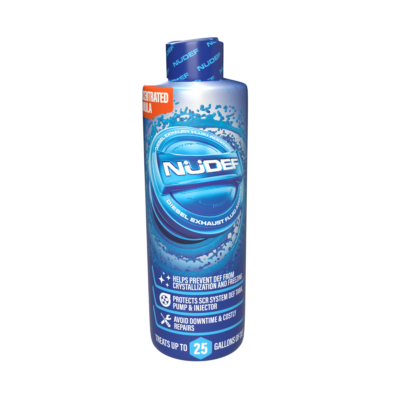
Everything above manages the fluid’s condition from outside. A DEF stabilizer manages it from inside: NüDef treats any ISO 22241 fluid to keep urea in solution through heat cycles, storage time, and the stop-start duty that crystallizes injector tips, which is precisely the failure mode that leads the semi breakdown list above. One 8 oz bottle treats up to 25 gallons, a few ounces treat a full semi tank at each fill, and the annual cost per truck is less than a single hour of shop labor, against downside events that start at a $400 doser and climb past $3,000 of SCR hardware. It is brand-agnostic (island fill, jug, or bulk), and you can order directly from us. Fleets running bulk DEF get the same chemistry at program scale through the fleet program.
Every failure mode in this guide traces back to fluid condition, and that is the line item a fleet actually controls. NüDef DEF Treatment & Stabilizer keeps DEF stable in saddle tanks through heat, cold, and sit time between loads. One 8 oz bottle treats up to 25 gallons; fleets buy by the case at wholesale program pricing and dose at fill.
The Bottom Line for Drivers
DEF for a semi is a solved problem when it is treated like fuel: bought fresh from high-turnover sources, planned rather than improvised, topped off on a mileage habit, backed by one dated jug in the side box, and stabilized so the system stays crystal-free between services. Budget roughly 2-3% of your diesel spend, learn the derate ladder before it teaches you, and give the dosing hardware the same respect the injectors get. Do that, and DEF stays what it was designed to be: a line item, not a story you tell other drivers.