What the Doser Valve Does
Every SCR system has one job at the exhaust: put a precise mist of diesel exhaust fluid into hot exhaust gas so it breaks down into ammonia before the catalyst. The part that does the spraying is the doser valve. It sits on the decomposition tube or the SCR inlet, usually a few inches downstream of the DPF, and it is a solenoid-operated nozzle fed by the DEF pump at roughly 70 to 130 psi depending on the platform. The aftertreatment control module opens it in pulses, from a few times a second at highway cruise to almost never at idle, and the pulse width sets the dose. Get the dose right and NOx comes out of the tailpipe as nitrogen and water. Get it wrong in either direction and the truck notices within a few miles.
Because the doser lives in exhaust heat that can pass 1,000°F under load, most designs cool the valve body with engine coolant (Cummins and Detroit route coolant lines to it) or with the DEF flow itself and a thermal standoff (many light-duty pickups). That cooling matters for the failure story below: a doser that loses its coolant flow or sits in a truck that idles for hours is a doser that cooks.
One Part, Four Names
Parts counters cause half the confusion. The same component is the aftertreatment DEF dosing valve on Cummins ISX, X15, and the 6.7 in Ram trucks; the reductant injector on Ford Power Stroke; the DEF injector or reductant injector on Duramax; the dosing unit or doser on Detroit DD13 and DD15 and on most Paccar and Volvo applications. Scan tools follow the same pattern: a “reductant injector circuit” code and a “dosing valve” code are describing the same nozzle. If you are searching for how to clean one, our DEF injector cleaning guide is the step-by-step; this guide is about knowing what failed and whether cleaning will fix it.
How Doser Valves Fail
Three failure modes cover almost every doser we see, and they leave different fingerprints.
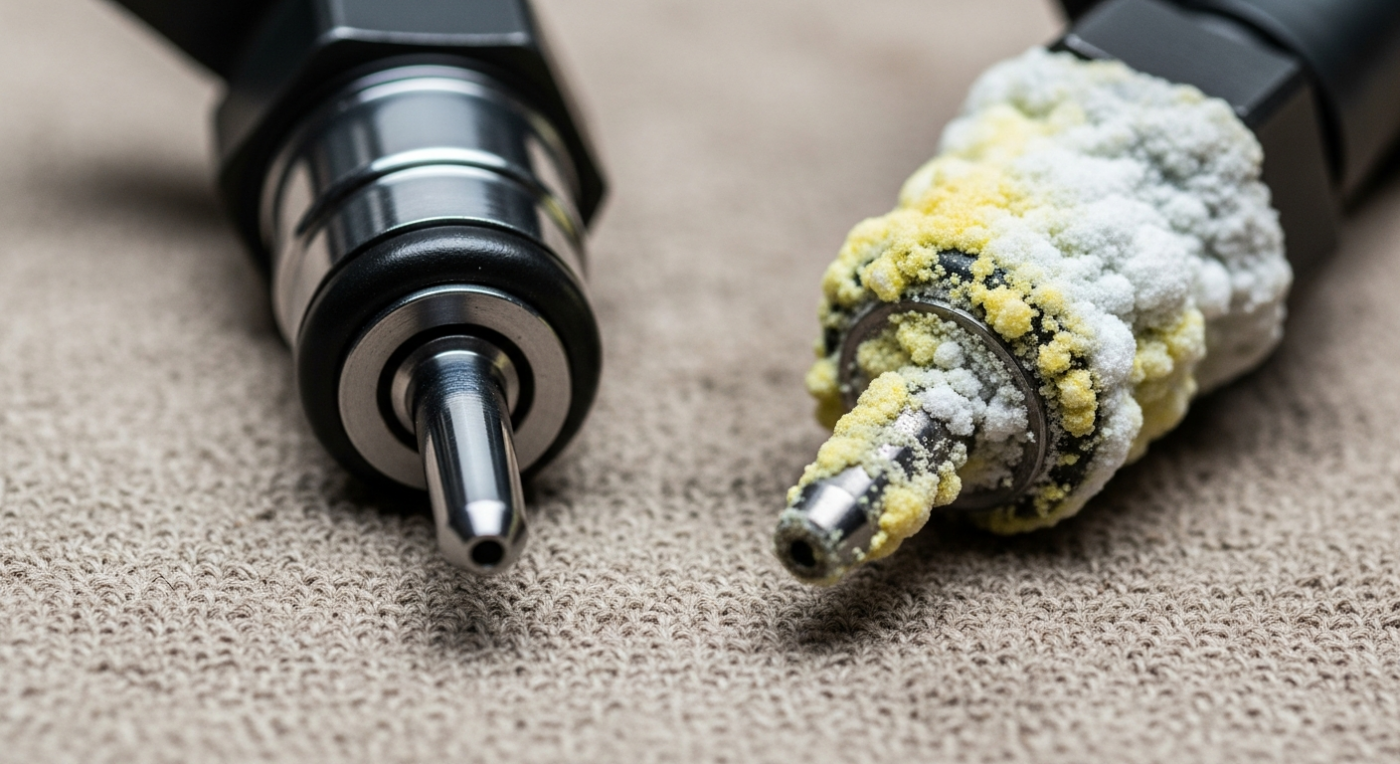
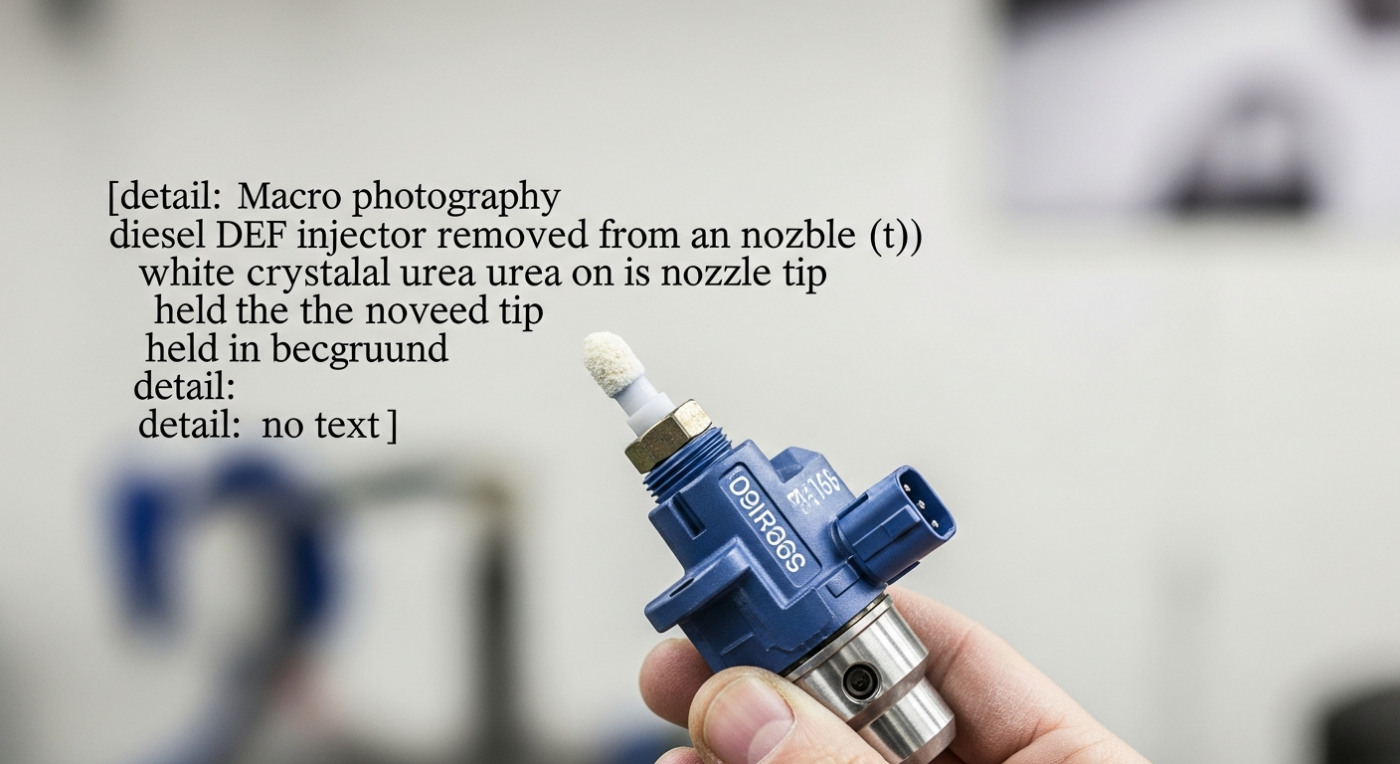
1. Urea crystals plug the tip. DEF is 32.5 percent urea in water. When the water flashes off at the hot nozzle faster than the spray clears it, urea and its byproducts bake into a white crust on the tip and inside the orifice. A partial plug turns the mist into a dribble; a full plug stops dosing. This is the most common failure, and it is fluid-driven: DEF that has evaporated toward a higher concentration, DEF contaminated with minerals, or DEF that has started to crystallize in the tank all deposit faster. Our DEF crystallization guide explains the chemistry.
2. Heat damage. Lost coolant flow, a leaking coolant line, or hours of high-idle regen cycles overheat the valve. Seals harden and weep, the plastic body discolors, and the solenoid coil resistance drifts. A heat-killed doser often leaks DEF externally (white crust around the mounting flange) or leaks internally, dribbling fluid into the exhaust with the valve commanded closed.
3. Electrical failure. The coil opens, shorts, or the connector corrodes. This is the clean failure: the module sees a circuit fault instantly, sets a circuit code, and stops dosing. Chafed harnesses near the exhaust are a common cause on trucks with a few hundred thousand miles.
A fourth, less common one: upstream starvation. A weak DEF pump, a plugged DEF filter, or a frozen line delivers too little pressure, so the doser looks like it failed when it is only being underfed. Pressure tests separate the two; our DEF pump failure guide covers that side.
Symptoms and the Codes That Go With Them
Symptoms arrive in a rough order. Fuel economy slips first as the engine compensates; then NOx-related efficiency codes appear; then derate, and finally the countdown to a speed limit. Watch for:
- White crust at the doser mount or exhaust joint: external leak or heat damage.
- Ammonia smell at the tailpipe, sometimes white vapor: over-dosing from a valve stuck open or leaking internally.
- NOx efficiency codes with no dosing symptoms: under-dosing from a plugged tip. The classic is P20EE (SCR efficiency below threshold).
- Circuit codes: P2048 (injector circuit low), P2047 (circuit open), P2049 (circuit high) point straight at the coil, connector, or harness.
- Flow and performance codes: P249D (injection flow too low) and P204F (reductant system performance) sit one layer up and can be doser, pump, or fluid.
- Repeat “DEF quality” or “Service DEF system” warnings after a fresh fill: the fluid was fine and the doser is starving the catalyst; see the Service DEF System guide.
The hub of every code in this family is our DEF trouble codes guide.
Testing a Doser Valve in the Driveway or the Shop
Four checks tell you what you have without guessing at a part.
- Look. Pull the doser (two or three bolts on most platforms, plus the coolant lines on heavy-duty engines). A tip caked in white crystals is a plugged doser. Discolored or brittle plastic, hard seals, or crust at the flange is heat damage.
- Measure the coil. Coil resistance specs are platform-specific and printed in the service data; an open coil reads infinite, a shorted one reads near zero, and heat-drifted coils read high. Compare with the spec for your engine before condemning it.
- Command a spray test. With the doser out and its tip in a clear cup, use the scan tool’s dosing test to fire it. A healthy valve throws a fine, even cone. A dribble, a single stream, or an off-center spray is a plug. No spray with pressure present is a dead coil or a stuck pintle.
- Confirm pressure upstream. The same scan-tool test shows DEF line pressure. If pressure will not build or bleeds down, the pump, filter, or a frozen line is the problem and a new doser will not fix it.
Cleaning vs Replacement: The Decision
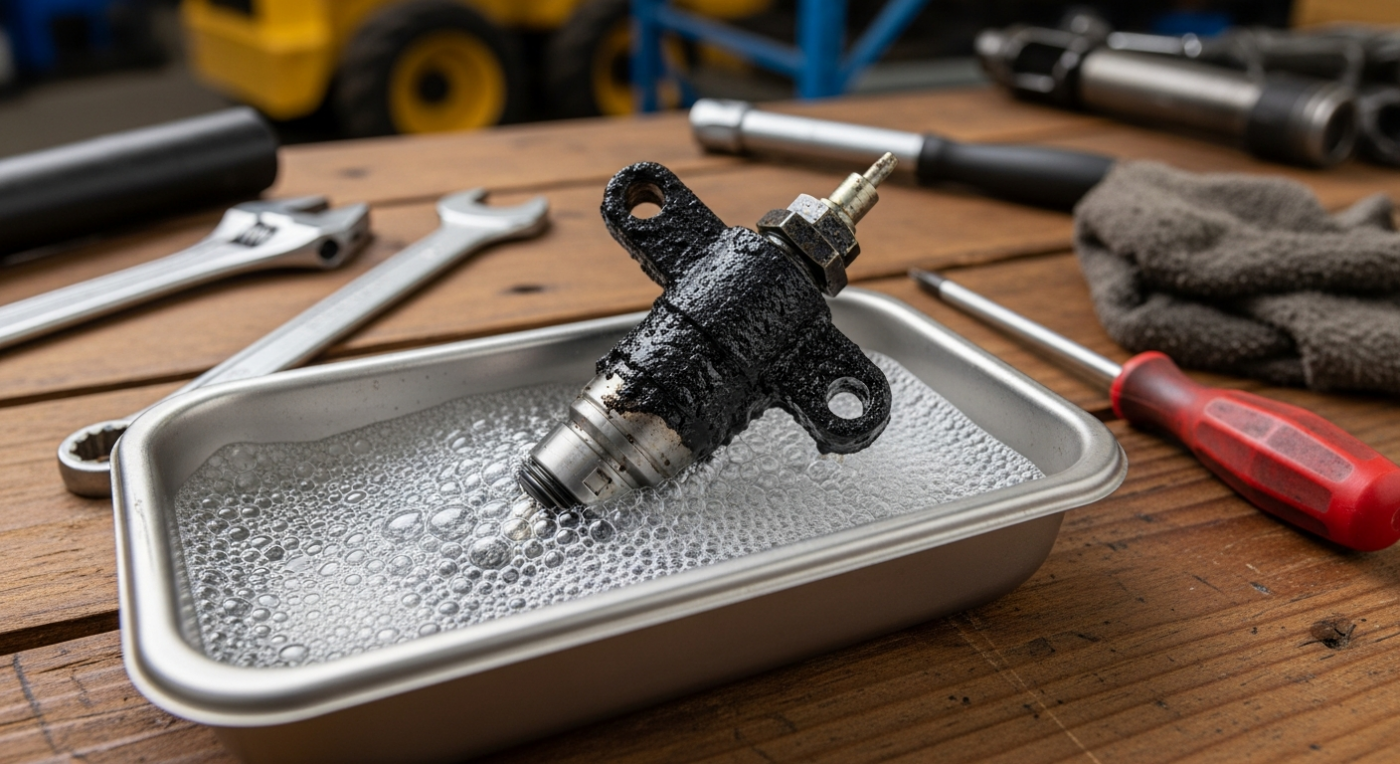
Clean it when the only fault is crystals on the tip and the spray test comes back to a good cone after cleaning. Soaking in hot distilled water dissolves urea; the full procedure, soak times, and the torque values for reinstalling are in the cleaning guide. Do not scrape the orifice or run wire through it; the spray pattern depends on that edge.
Replace it when any of these are true: the coil reads out of spec, the body shows heat damage or leaks at the flange, the coolant passage is blocked, the valve fails the spray test after a proper cleaning, or it plugged again within a few weeks of the last cleaning. That last one is the tell that the fluid, not the valve, is the root cause, and it is the reason a second cleaning rarely pays.
Replacement Cost by Platform (2026)
Typical 2026 numbers for the doser valve itself and the labor to swap it, independent shop rates. Dealer pricing runs 30 to 60 percent higher. Heavy-duty engines with coolant-cooled dosers take longer because the coolant lines have to be drained and bled.
| Platform | Part name | Part cost | Labor | Installed range |
|---|---|---|---|---|
| Ram 6.7 Cummins (2013 and up) | DEF dosing valve / injector | $150 to $350 | 1 to 1.5 hours | $300 to $600 |
| Ford 6.7 Power Stroke | Reductant injector | $200 to $450 | 1 to 1.5 hours | $350 to $700 |
| GM 6.6 Duramax (LML, L5P) | DEF injector | $180 to $400 | 1 to 1.5 hours | $330 to $650 |
| Cummins ISX / X15 | Aftertreatment DEF dosing valve | $250 to $600 | 1.5 to 2.5 hours | $500 to $1,000 |
| Detroit DD13 / DD15 | Dosing unit | $400 to $900 | 1.5 to 2.5 hours | $650 to $1,300 |
| Paccar MX-13 | DEF dosing module | $350 to $800 | 1.5 to 2.5 hours | $600 to $1,200 |
Add a DEF filter and a fluid change to any doser job. Installing a clean valve behind a tank of drifted fluid restarts the clock on the same failure.
Preventing the Next One
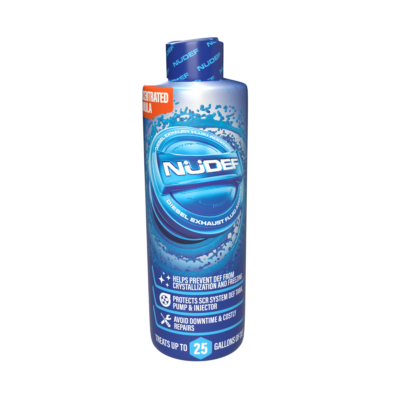
Doser failures are mostly fluid failures that show up at the nozzle. Three habits stop most of them. Keep DEF fresh and sealed: heat and air push the concentration up and start crystals in the tank, which the doser then bakes onto its tip; our storage guide gives the numbers. Avoid weeks of low-load idling, which keeps the exhaust too cool to clear the tip while the doser keeps pulsing. And treat the fluid: NüDef DEF Treatment & Stabilizer keeps urea in solution through heat, cold, and sit time, so what reaches the doser stays a liquid and never becomes the crust that plugs it. One 8 oz bottle treats up to 25 gallons of DEF, and it goes in the DEF tank, never the diesel tank.