DEF pricing is strangely opaque for a fluid every diesel owner buys constantly: the same gallon that costs a few dollars at a busy pump island can cost three times that in a gas-station aisle at midnight. This guide breaks down what DEF actually costs in 2026 by channel and by vehicle, why the price moves, the per-mile math for pickups and semis, and the handful of habits that cut the annual bill without ever risking the expensive end of the system.
DEF Price by Channel in 2026
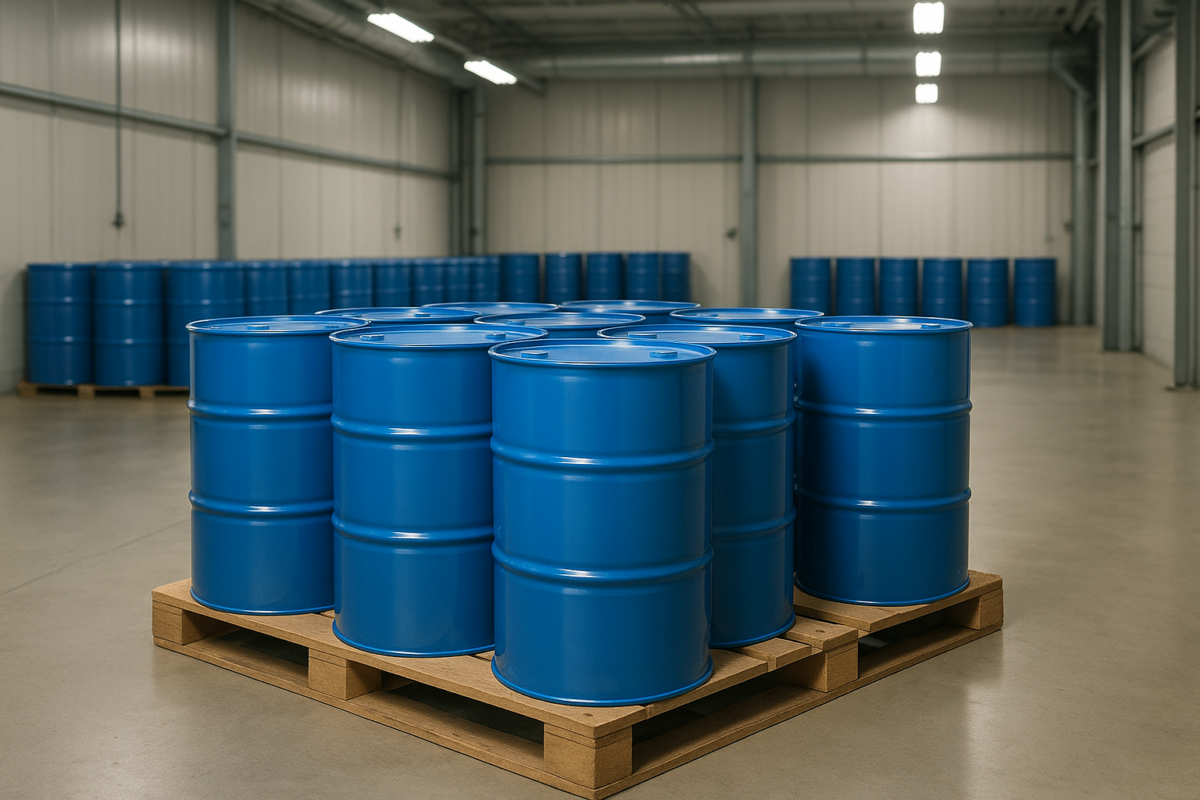
The channel is the price. At the DEF pump island, dispensed by the gallon alongside diesel, prices typically run in the $3-5 per gallon band, the cheapest fluid most drivers can buy and usually the freshest, because high-volume islands turn inventory in days. Packaged 2.5-gallon jugs at retail commonly land between $12 and $20 per jug ($5-8 per gallon), with warehouse clubs and farm stores at the friendly end and convenience stores at the punitive one. Bulk changes the game for volume users: 55-gallon drums bring the per-gallon figure down meaningfully, and 275/330-gallon totes for fleets push toward commodity pricing plus delivery. The emergency purchase, a single jug at a highway gas station when the gauge is flashing, reliably tops the market; the fix for that price is planning, not shopping.
Why DEF Prices Move
DEF is 32.5% urea, and urea is made from natural gas, so DEF tracks natural gas and fertilizer markets at a delay: when gas or global urea prices spike, DEF follows within months, as owners learned vividly during the 2021-2022 commodity squeeze. Freight and packaging make up much of the rest, which is why the same fluid costs so differently in a jug versus a tote. Regionally, prices run higher where trucking is thin and lower along freight corridors with dense island competition. None of this is worth timing the market over; a fluid you buy by the tens of gallons rewards channel discipline, not speculation.
What DEF Costs Per Mile (and Per Year)
Consumption runs 2-3% of diesel burn on most modern equipment, which converts to numbers small enough to be ignorable right up until they are not. A diesel pickup driven 15,000 miles a year at 18 MPG burns roughly 830 gallons of diesel, so 17-25 gallons of DEF: call it $75-$175 a year depending on channel. A Class 8 semi at OTR mileage runs 370-550 gallons of DEF and $1,200-$2,500 a year, math our semi-truck DEF guide details tier by tier. Fleets multiply that by every unit in the yard, which is where channel choice and bulk programs stop being pennies and start being a budget line worth managing (the fleet ROI breakdown runs those numbers). Per mile, DEF adds roughly half a cent for a pickup and one to two cents for a loaded semi: trivial against fuel, and exactly why the smart money worries about fluid quality more than fluid price.
How to Pay Less Without Buying Worse
- Default to the island: per-gallon dispensing beats packaged fluid on price and usually on freshness. Make it the habit fill, per the where-to-buy guide.
- Buy jugs where they move: warehouse clubs, farm stores, and busy auto retailers turn stock fast and price fairly. Check the date code either way.
- Go bulk at real volume: two or more working trucks generally justifies drums with a dedicated closed pump; fleets belong in totes with delivery contracts.
- Never buy the dusty jug: a discount on old fluid is a markdown on trouble. DEF is perishable, and the date code outranks the price tag.
- Skip brand premiums: every API-certified fluid is the same ISO 22241 recipe, as our brand-mixing guide explains. Pay for freshness and certification, never for the label.
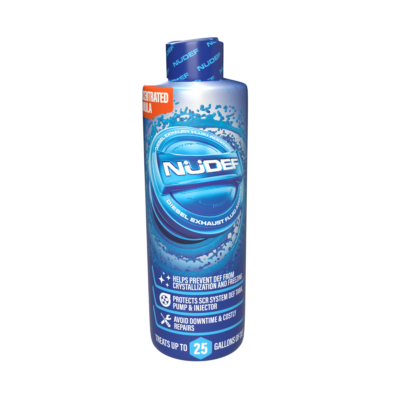
- Treat what you buy: a bottle of NüDef makes the cheap channel a safe channel, keeping urea in solution from the day you buy the fluid to the day the injector doses it. That is what lets you shop on price with confidence.
The Annual DEF Budget by Vehicle Type
The 2-3% rule wears differently across the driveway and the yard. Diesel pickups (Ram, Power Stroke, Duramax) doing mixed personal and work duty land in that $75-$175 band, tilting higher with towing, which raises DEF dosing along with fuel burn. Vans and delivery fleets live in stop-start duty that runs the aftertreatment hard; per-vehicle costs sit modestly above pickup levels while fleet counts multiply the total fast. Agricultural equipment concentrates its DEF spend into seasons: a tractor may sip nothing all winter and drink daily through harvest, a rhythm that makes fluid freshness (and stabilization through the idle months) the dominant cost variable rather than the per-gallon price. Standby generators and stationary equipment are the extreme case: tiny annual gallons, long fluid dwell times, and therefore a cost profile that is almost entirely about keeping the stored fluid in spec, the exact problem our generator DEF guide exists for. Across every category the pattern repeats: the fewer gallons you burn, the more the cost story is about condition instead of price.
What the 2021-2022 Price Spike Taught Everyone
DEF’s one genuine market drama is worth remembering because its mechanics have not gone anywhere. When natural gas prices surged in 2021-2022, global urea followed (fertilizer and DEF compete for the same molecule), and DEF prices in some channels roughly doubled while spot shortages hit regions dependent on imported urea. The lessons that stuck: the pump-island channel stayed cheapest and best-supplied throughout (bulk logistics absorb shocks better than packaged retail), panic-buying jugs was the most expensive possible response, and fleets with supply contracts rode through what spot buyers paid dearly for. Prices normalized as gas markets calmed, but the linkage is structural: DEF is a natural-gas derivative, and any future energy squeeze will retrace the same curve. The practical hedge is boring: channel discipline, modest reserves rotated fresh, and supply relationships at fleet scale.
When Cheap DEF Is the Most Expensive Thing You Own
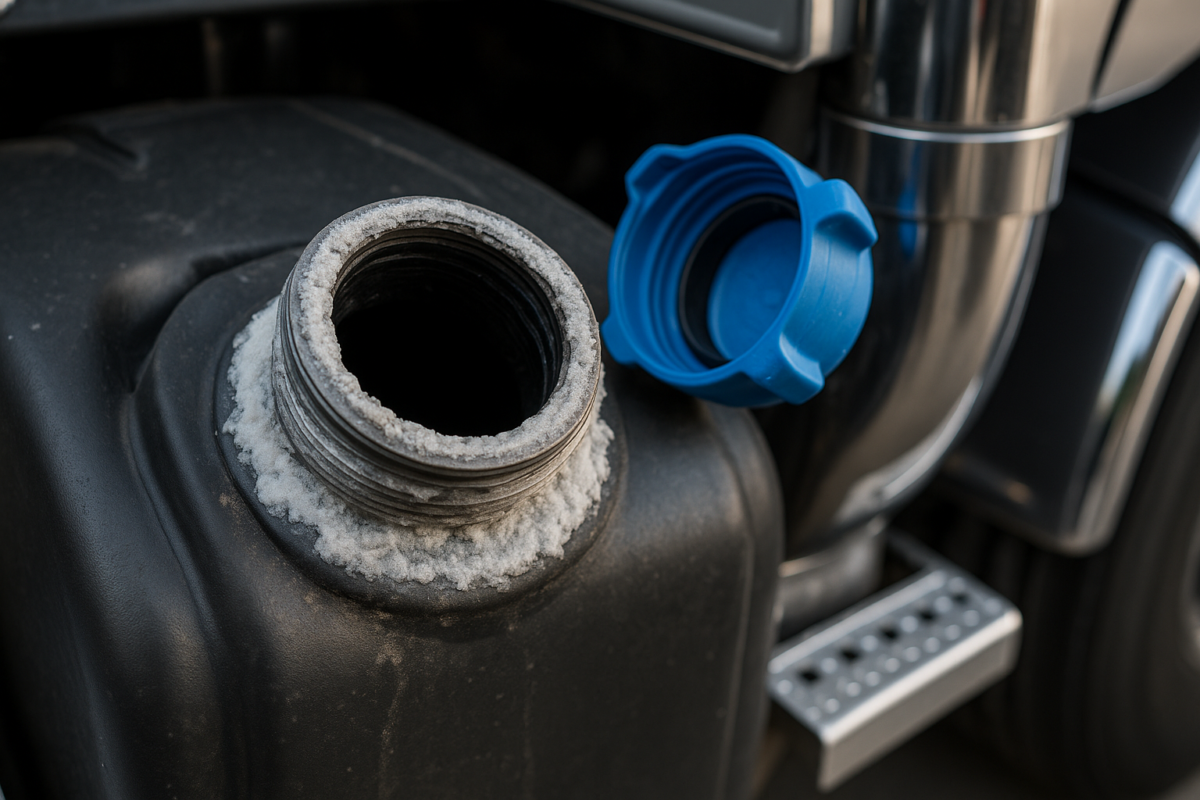
The whole DEF budget conversation has a trapdoor: the fluid is the cheapest component of a system whose repairs are priced like jewelry. A year of DEF for a pickup costs less than a single quality sensor ($200-500). The semi’s annual fluid bill is a fraction of one SCR catalyst assembly. So the only genuinely expensive DEF is DEF that damages the system: stale fluid that triggers quality faults, contaminated fluid from dirty transfer gear, or degraded fluid that crystallizes on injectors and sensors. That is why every money-saving move above comes with a freshness caveat, and why storage discipline (covered here) is part of the cost conversation. Saving 30% per gallon means saving perhaps $50 a year on a pickup; one derate event at a shop erases a decade of that. Buy cheap by channel, never by condition. And protect whichever channel you choose: preventing crystallization and stale-fluid faults is exactly the job NüDef DEF Treatment & Stabilizer was built for.
The “Just Delete It” Math, Since Someone Will Ask
Every DEF cost conversation eventually meets the suggestion to remove the emissions system and be done with the fluid forever. The arithmetic deserves a straight answer. Deleting SCR equipment is illegal under federal law for on-road vehicles, full stop: shops and parts sellers have drawn severe EPA penalties, and enforcement has tightened year over year. Beyond the legal exposure, a deleted truck fails inspection in a growing list of states, loses manufacturer warranty entirely, and takes a real hit at resale, because dealers and informed buyers price the compliance risk or walk away. Set against that: the fluid it saves costs a pickup owner roughly a hundred dollars a year. The honest version of DEF cost control is everything above this section (channels, freshness, stabilization), which keeps the system healthy at a cost that rounds to nothing against the machine it protects. The expensive relationship with DEF is neglect or removal; the cheap one is five minutes of habit.
The Stabilizer Line Item
One addition to the budget earns its place in this guide by pure arithmetic. A DEF stabilizer protects the fluid you already paid for: NüDef treats any ISO 22241 fluid to keep urea in solution through heat, storage, and stop-start duty, one 8 oz bottle treating up to 25 gallons. For a pickup owner, that is a season of protection for roughly the price of two jugs of DEF; for a truck or a fleet, the per-gallon treatment cost disappears into rounding against the hardware it protects. Set against the failure modes it prevents (crystallized dosers, fouled sensors, the quality faults that stale fluid throws), it is the rare line item that lowers the total cost of the category it belongs to. You can order it directly from us, and fleets get program pricing through the bulk program.
The Bottom Line on DEF Cost
Budget 2-3% of your diesel spend and you will never be surprised: $75-$175 a year for a pickup, four figures for a working semi, channel choice swinging every number by a factor of two. Fill at busy islands, buy packaged fluid where it moves fast, graduate to bulk when volume justifies equipment and discipline, and spend a few of the dollars you save on stabilization, because the only DEF that ever costs real money is the DEF that goes bad. Price is a channel decision; cost is a condition decision. Make both deliberately and the whole category stays a rounding error, which is exactly what it should be.