
DEF Academy
Diesel Anti-Gel vs DEF Additive: What Goes Where in Winter
Anti-gel goes in the diesel tank and DEF treatment goes in the DEF tank. What each does in the cold, and what to do if the wrong one goes in.
Anti-gel goes in the diesel tank and DEF treatment goes in the DEF tank. What each does in the cold, and what to do if the wrong one goes in.
DEF tank capacity for Ram 6.7 Cummins, EcoDiesel, Ford Super Duty, F-150, Duramax and Class 8 trucks, each figure from the maker’s manual or spec sheet.
What an additive for DEF is, what a DEF stabilizer does and does not do, the five situations where it is worth it, how to dose it, and what the rules say.
SPN 3363 FMI 5 means an open DEF tank heater circuit. Coolant valve vs electric heater, SPN 3031 and 1761, test order, cost and freeze-season prep.
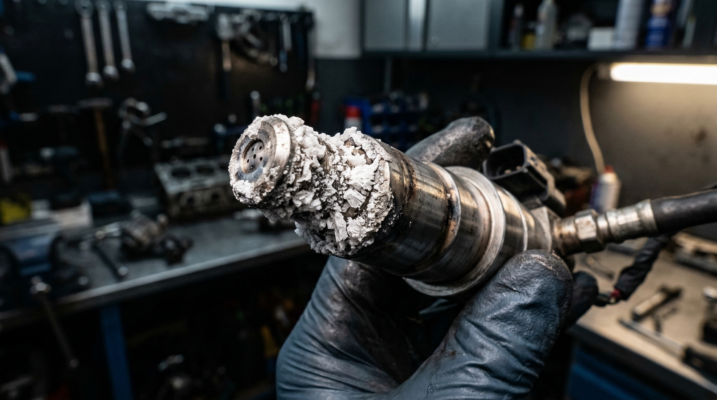
SPN 3362 FMI 31 means the DEF dosing unit could not prime through its input lines. Causes cheapest first, a test sequence, repair cost and prevention.
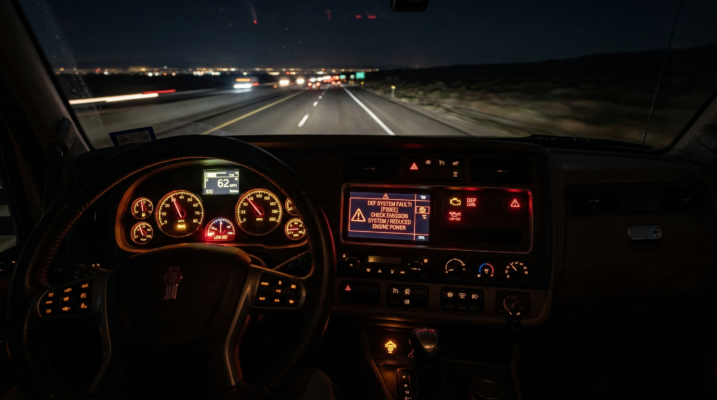
SPN 3226 FMI 10 explained: what the outlet NOx sensor code means, FMI 4, 12 and 13, when DEF is involved, and the test sequence before you buy a sensor.

P249E code explained: what flow too high means, how it differs from P249D, causes on Ford and Duramax diesels, the fix order and how to prevent it.
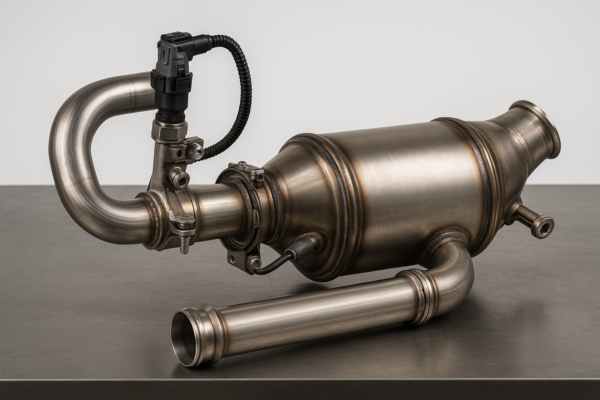
SPN 4094 and SPN 4364 explained: what the SCR efficiency and DEF quality codes mean, why fluid is the first suspect, and the fix order for heavy trucks.
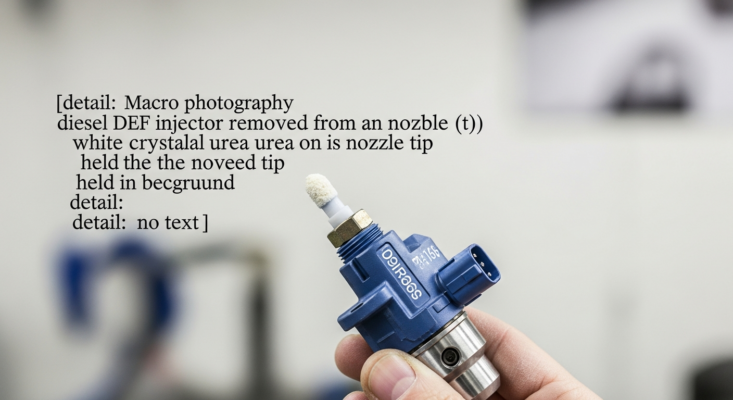
SPN 3361 FMI 4 is a low-voltage fault on the DEF dosing unit circuit. What it means, FMI 4 vs FMI 7, causes, a test sequence and how crystals fit in.
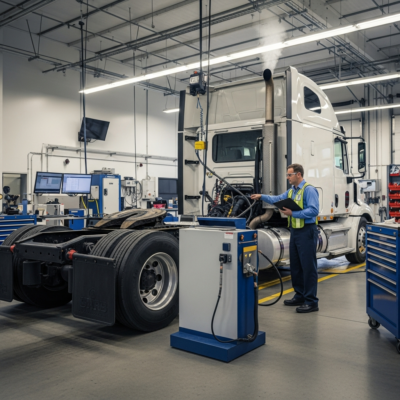
DEF requirements from the sources: what ISO 22241 specifies, what the API mark covers, EPA derate rules, tampering law, and what they say about additives.
How much DEF does a truck use? About 2 to 3 percent of the diesel it burns. Usage by vehicle type, a simple calculator, and NüDef bottles per year.
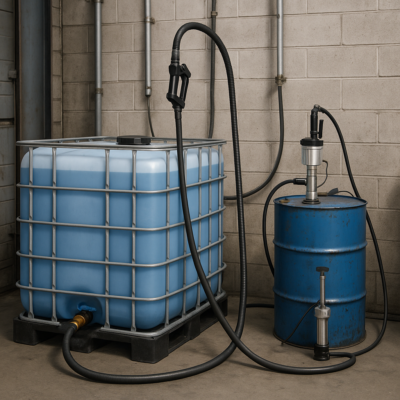
DEF transfer tanks for pickups, farms and job sites: sizes, DEF-safe materials and pumps, heat and freeze risk, and how NüDef helps protect stored DEF.
Cummins X15 DEF problems: where the DEF quality sensor is, how to tell a bad sensor from bad fluid, pump and doser faults, winter issues and fleet upkeep.
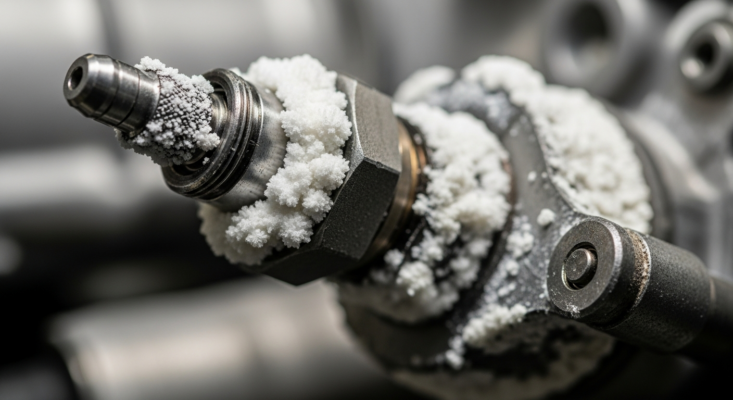
SPN 4334 FMI 18 means DEF doser pressure is below normal. Causes cheapest first, sensor locations, a test sequence and how to keep it from coming back.
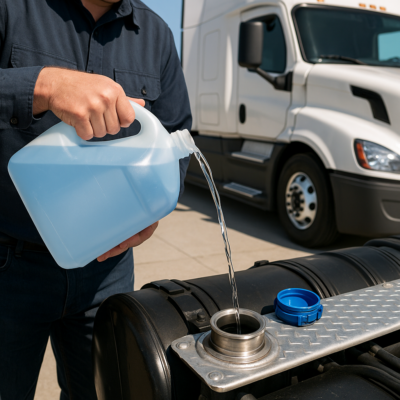
Motorcraft DEF fluid explained: what Ford’s DEF is, whether Power Stroke owners have to use it, what the warranty really requires, and how to buy, store and treat any certified DEF.
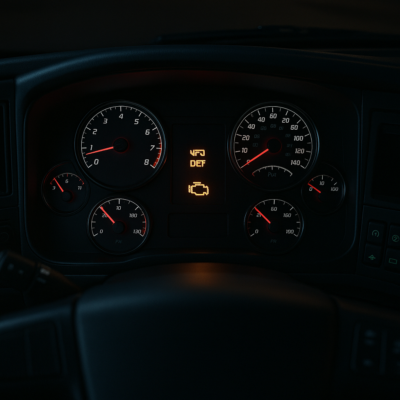
Engine derate meaning explained: why a diesel cuts its own power, protection vs emissions derates, the DEF warning stages after the 2025 EPA changes, and how to clear and prevent a derate.

Freightliner Cascadia DEF problems explained: where the DEF filter is and when to change it, level and quality sensor faults, why the DEF light blinks, and a fleet maintenance schedule.

P21DD means the DEF heater drew too little current at a cold start. Why it shows up in the first cold weeks, Duramax notes, the test order and costs.

SPN 5246 FMI 15 is the first stage of the SCR derate on heavy trucks. What FMI 15, 16 and 0 mean, what sets it with a full tank, and how to clear it.
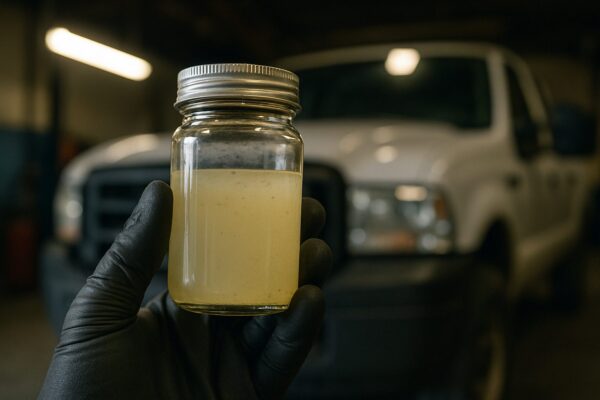
P207F means the truck thinks your DEF is the wrong strength. Causes cheapest first, Ford 6.7 and Cummins notes, the fix order and how to keep it away.
Refractometer, test strips, or a lab: which DEF test to use, how to take the sample, what 32.5 percent urea and ISO 22241 mean, the verdict for each reading, and what testing cannot see.
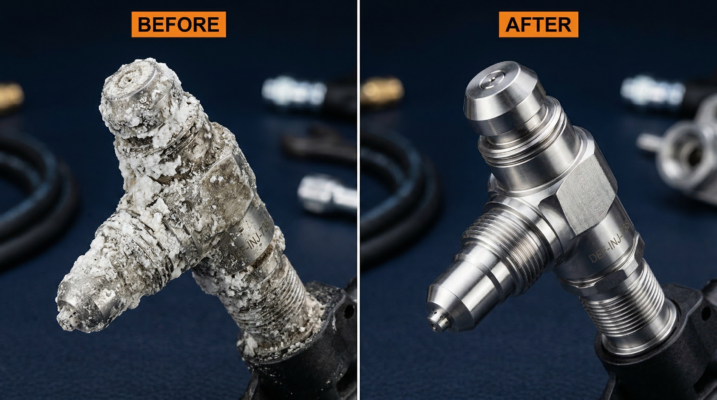
The DEF doser valve meters fluid into the exhaust ahead of the SCR catalyst. How it clogs, overheats, and fails electrically, the codes each failure throws, how to test it, and what cleaning or replacement costs in 2026.
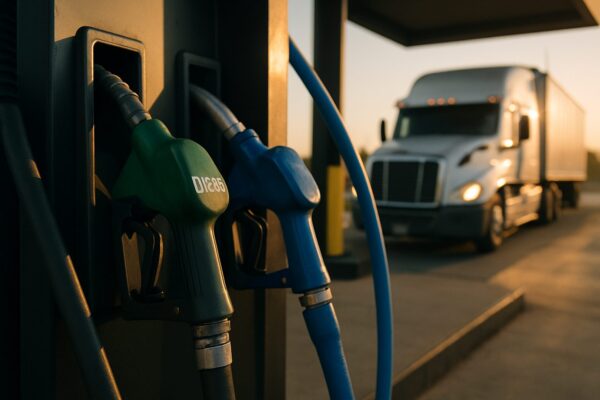
Pump lanes beat jugs on price and usually on freshness; jugs travel and store sealed. The honest comparison, the playbook by operator from semis to fleets, and the in-tank problem no purchase channel fixes.
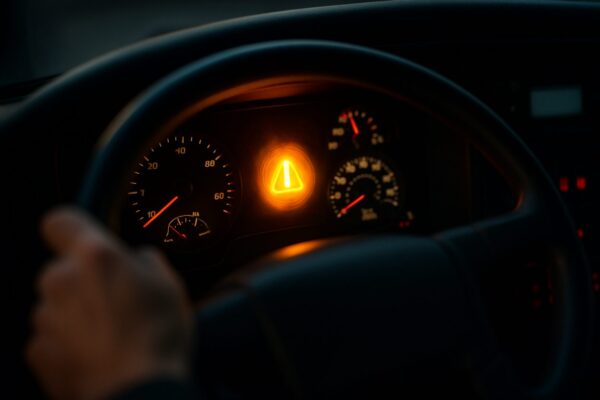
Solid means pay attention, flashing means the countdown started. The severity ladder, the four causes from an empty tank to a lying sensor, how Freightliner, Ram, Ford, and Duramax each handle the blink, and the five-step sequence that clears it.
Contaminated DEF is any fluid that is no longer a 32.5% urea solution in pure water: diluted, mineral-laden, fuel-tainted, dirty, or heat-degraded. The symptoms climb a ladder from cloudy fluid to a “DEF quality poor” warning to a 5 mph derate, and the contaminant decides the repair bill, from a $40 drain to a four-figure catalyst. A refractometer settles the fluid question in two minutes. Fixing it means drain, flush and refill, never top off. Preventing it means sealed storage, DEF-only equipment, and NüDef DEF Treatment, Additive & Stabilizer, which helps prevent crystallization between fills. One 8 oz bottle treats up to 25 gallons.
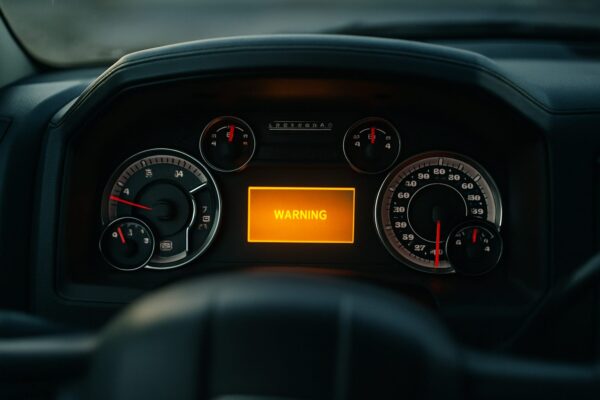
The Service DEF System message decoded: what triggers it, how the derate countdown escalates, the five causes from cheap fluid problems to expensive sensors, the right diagnostic order, and the prevention that stops repeat warnings.
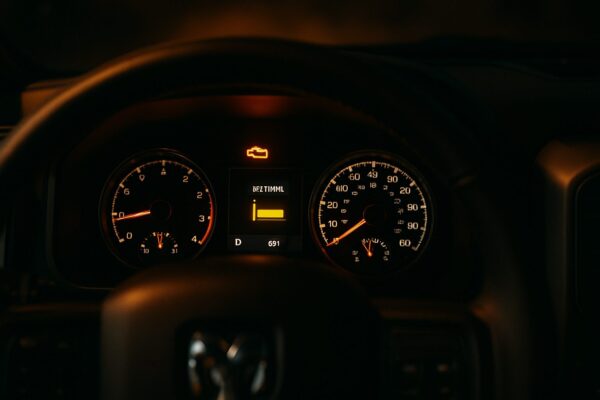
Your DEF system runs on five sensors: level, quality, temperature, pressure, and the NOx pair. On many trucks the first three live in one replaceable assembly RAM owners know as the DEF header ($150–$500 plus labor). Each sensor has its own symptoms and code family, listed below, and crystallized fluid is a common cause of sensor failure, which NüDef DEF Treatment, Additive & Stabilizer helps prevent.
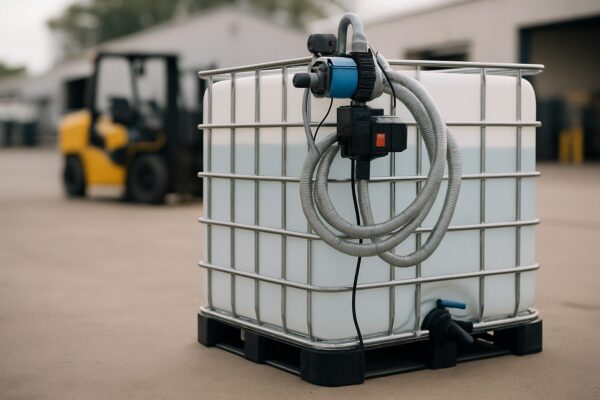
Bulk DEF explained: jug vs drum vs tote vs bulk-tank pricing, the fleet-size break-even math, DEF-rated pumps and fittings, storage rules, and where to buy. Treat the tote and every truck inherits the protection.
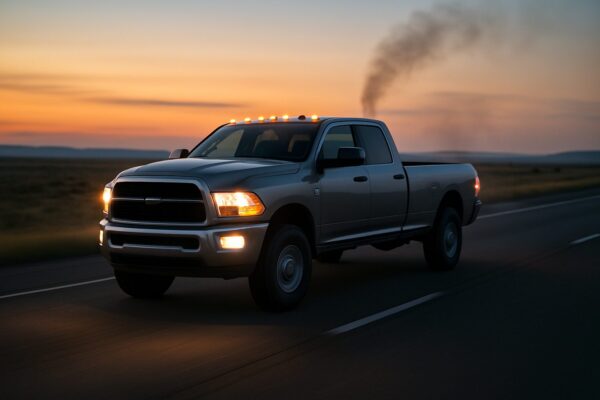
What a DPF is, how passive, active, and forced regens work, the warning stages, why city trucks regen constantly, how DPF and DEF/SCR problems feed each other — and the honest answer on deletes.
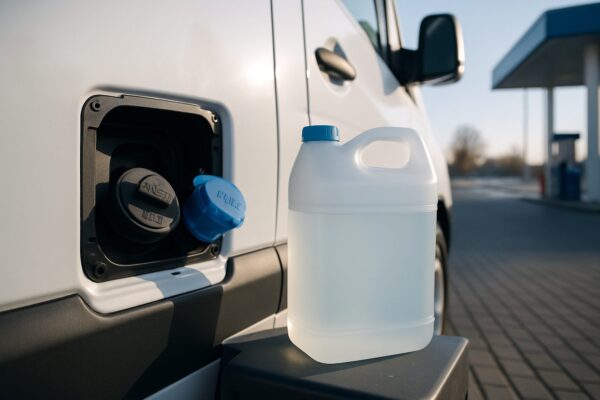
AdBlue is the European brand name for DEF — the same ISO 22241 fluid, same 32.5% urea solution. What that means for Sprinter, BMW, Audi, and VW diesel owners in the US.