The Short Answer
Diesel exhaust fluid is urea and deionized water. It is not classified as hazardous waste in the United States, it is not flammable, and a small amount of clean DEF can go down a sanitary drain with plenty of water where local rules allow it. The things you should not do are pour it on the ground, into a storm drain, or into any waterway, because urea is a nitrogen fertilizer and ammonia source that harms soil balance and water. Bulk volumes, crystallized fluid, and anything contaminated with diesel or oil need different handling, covered below.
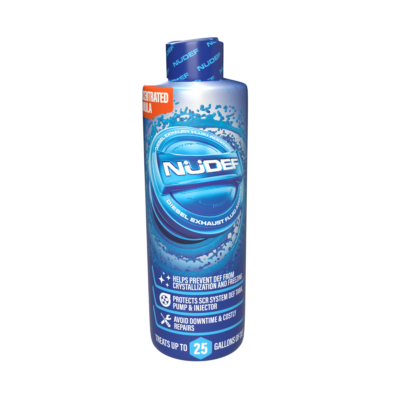
Most DEF that gets thrown away did not have to be. It went off-spec in storage, usually from heat or an open container, and the owner found crystals or a quality warning. Before you dispose of anything, test it. A refractometer reading near 32.5 percent and clear fluid means it is still usable. Keeping the next batch in spec is what NüDef DEF Treatment, Additive & Stabilizer is for: it keeps urea in solution so stored and in-tank fluid does not crystallize. One 8 oz bottle treats up to 25 gallons.
Is DEF Hazardous Waste?
No, under federal rules. DEF is a 32.5 percent solution of automotive-grade urea in deionized water. Its safety data sheets list it as non-flammable and non-toxic, with mild irritation as the main handling risk. It does not meet the federal definitions of hazardous waste, so a jug of old DEF is not a hazmat problem the way used oil or antifreeze is.
Two cautions keep that simple answer honest.
- Local sewer rules still apply. Wastewater utilities set limits on what goes into sanitary drains, and nitrogen load is one of the things they watch. A gallon diluted with water is routine; a drum is a conversation with the utility.
- Contaminated DEF is a different material. Fluid with diesel, oil, coolant or solvent in it takes on the hazard of the contaminant. Treat it as that waste stream, not as DEF.
DEF is also corrosive to some metals, including copper, brass, zinc and uncoated steel, which is why it ships in plastic and why a spill on a shop floor or a truck frame should be rinsed rather than left to dry.
How to Dispose of DEF Fluid, Situation by Situation
Leftover clean DEF in an open jug
Do not dispose of it. Reseal the jug, store it cool and out of sunlight, and use it on the next fill. A partial jug stored sealed holds spec for months. If it will sit through a hot season, treat it so the urea stays in solution.
Expired DEF that still looks clean
Test before you dump. A printed date is a shelf-life estimate for untreated fluid stored at room temperature, not a verdict. Clear fluid that reads 31.8 to 33.2 percent on a refractometer is usable. If it reads off-spec, dilute it heavily with water and pour it down a sanitary drain where your utility allows it, a gallon or two at a time, never a storm drain.
Crystallized DEF
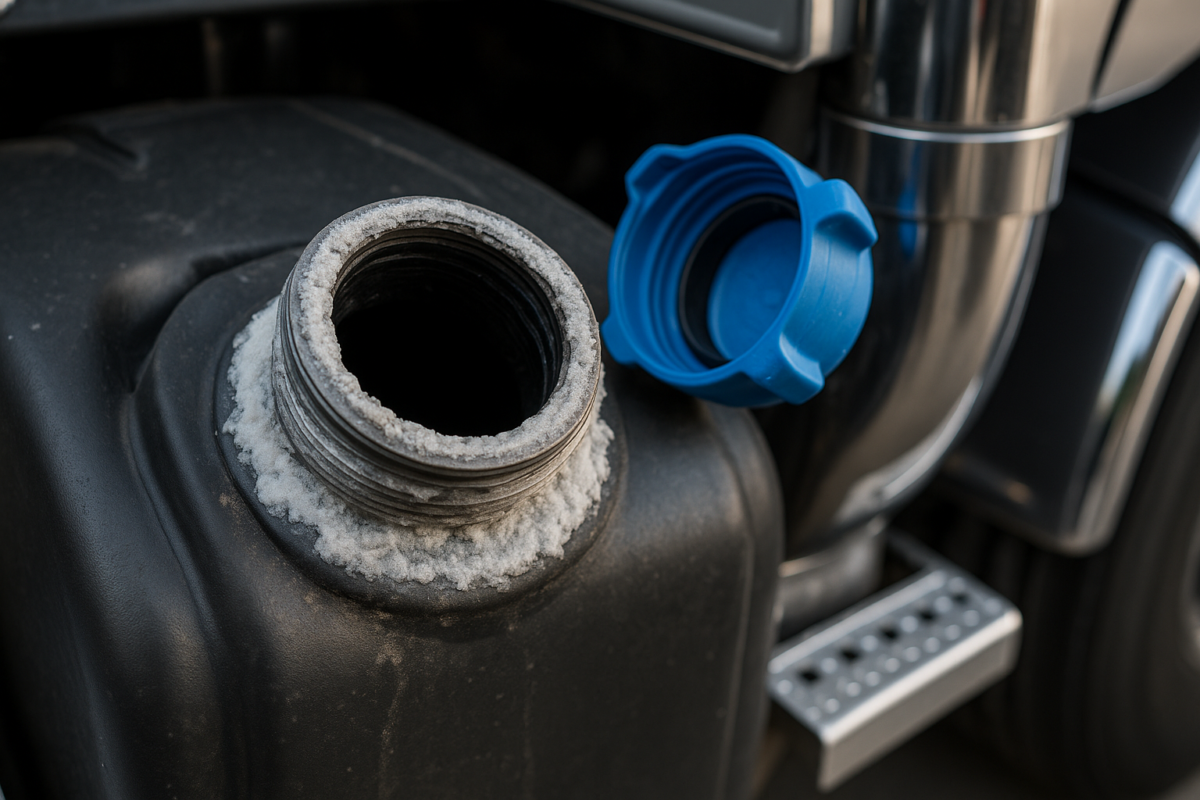
White crystals mean the water evaporated and the urea came out of solution. Dissolve the crystals in warm water, then dispose of the solution the same way as expired fluid. Bag loose crystal solids with the trash if local rules allow; they are urea, the same material as lawn fertilizer, but they are concentrated and should not be dumped on a lawn in a pile. If the crystals came out of a tank or a header, the hardware needs cleaning too, which our DEF tank cleaning guide covers.
Contaminated DEF
Fluid with a sheen, a fuel smell, a color tint or grit in it is handled as the contaminant. Diesel or oil in DEF goes to the shop’s used-oil or hazardous-waste stream, never a drain. Coolant in DEF goes with coolant waste. Dirt-contaminated fluid can be filtered and tested, but it is usually not worth saving. How contamination happens and what it does to the SCR system is in the contaminated DEF guide.
Spills on concrete, soil or a truck
Flush a small spill on concrete with water so it does not dry into crystals. Absorb a larger spill with rags or absorbent and bag the material. On soil, dilute with water; urea is a fertilizer and a small spill will not harm a lawn, though a large one will burn it. On a vehicle, rinse any frame, wiring or connector it touched, because dried DEF corrodes copper and zinc.
Empty jugs, drums and totes
Triple-rinse the container, let the rinse water go to a sanitary drain, and recycle the plastic as HDPE number 2 where accepted. Many distributors take drums and totes back; ask before you buy a replacement. Never reuse a DEF container for any other fluid, and never put DEF in a container that held anything else.
Disposing of Bulk DEF: Fleets, Shops and Totes
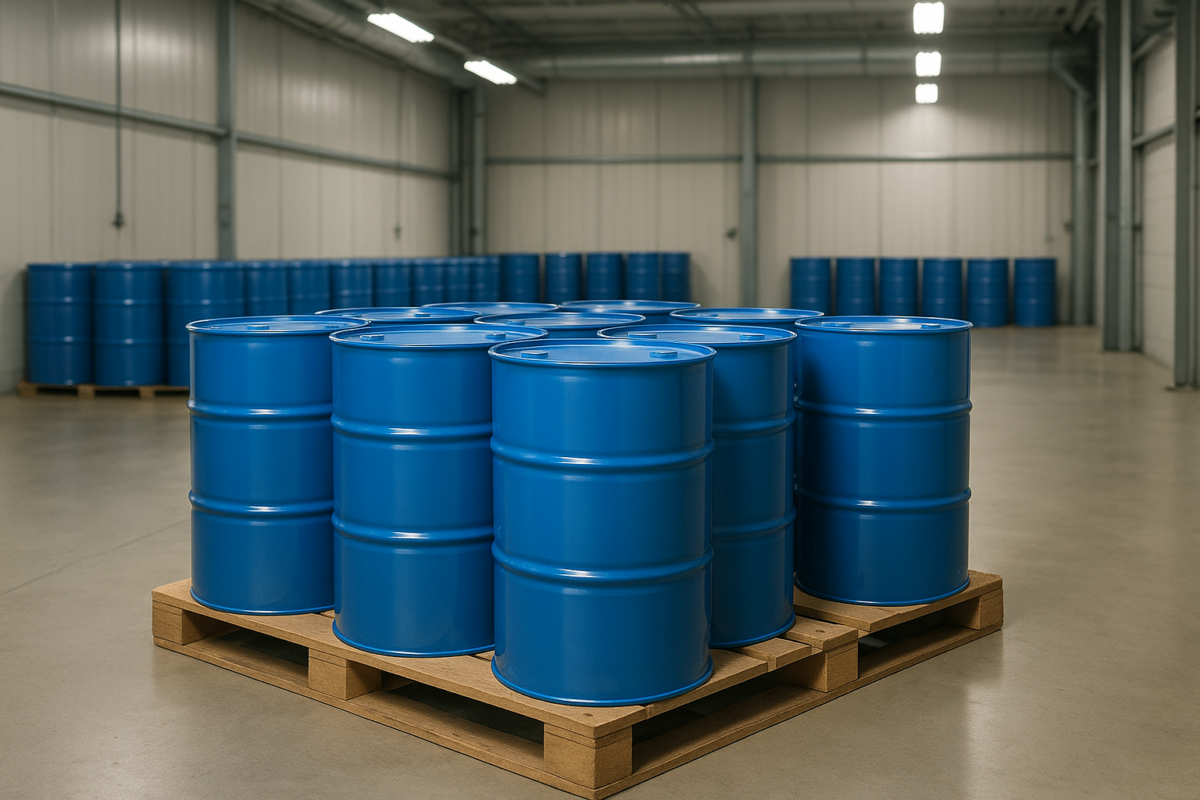
A 275 gallon tote of off-spec fluid is the point where “pour it down the drain” stops being an option. Nitrogen load is regulated at the treatment plant, and a utility can refuse or fine a discharge that size. Fleets have three routes.
- Return it to the supplier. Most bulk distributors will take back a tote of fluid they delivered, and some will test it and tell you it is still usable.
- Licensed waste hauler. Non-hazardous liquid waste haulers handle DEF routinely. Document it as urea solution and keep the manifest.
- Permitted discharge. With the utility’s written approval, dilute and release through a sanitary connection over time. Never through a floor drain that goes to storm water.
The cheaper answer is to stop producing off-spec totes. Bulk DEF sits longer than jug DEF and sees more temperature swing, which is where a stabilizer pays for itself. The bulk DEF guide covers tank sizing, turnover and treatment at fleet scale.
Does DEF Actually Go Bad?
Yes, but slower than the date on the jug suggests and faster than most owners expect in heat. DEF does not spoil like fuel; it loses water through evaporation and the urea slowly decomposes in heat. Sealed at room temperature it stays in spec for roughly two years. Stored at 90 degrees F and above, shelf life drops to months. Freezing does not ruin it: frozen DEF thaws back to the same solution, as long as the container did not split.
Three checks tell you whether fluid is still good.
- Look. Clear and colorless. Cloudy, tinted or gritty fluid is out.
- Measure. A refractometer against the 32.5 percent target settles it in two minutes.
- Date. Use the production code as a guide, not a rule. Fresh-looking fluid that reads in spec is fine to use.
The storage conditions that decide all of this are in DEF storage, shelf life and expiration.
Why DEF Gets Thrown Away, and How to Stop It
In practice DEF is disposed of for four reasons, and three are preventable.
- Heat degradation. A jug in a truck bed or a tote on a sun-facing wall through summer. Store it cool, and treat it.
- Evaporation and crystals. An open container or a dispenser left uncapped. Seal everything, every time.
- Contamination. A shared funnel or a dirty container. Dedicated DEF-only equipment ends it.
- Quality warnings that were not the fluid. A failing level or quality sensor can read a good tank as bad, and owners drain fluid that was fine. Our DEF sensor guide shows how to tell the two apart before anything is poured out.
Treating stored and in-tank fluid with NüDef DEF Treatment, Additive & Stabilizer addresses the first two directly: it keeps urea in solution through heat, cold and sit time, so the fluid does not crystallize and the tank does not become the thing you have to dispose of. It works in any certified brand of DEF. If you are deciding where to buy the replacement fluid, the where to buy DEF guide compares pump, jug and bulk channels, and if the tank ran dry before you got there, what happens when you run out of DEF covers the restart.
Before You Dispose: The Two-Minute Test
Run this before any fluid leaves a container. It saves most jugs and tells you which disposal route applies to the rest.
- 1. Pour a sample into a clear glass. Good DEF is water-clear with a faint ammonia smell. A sheen means fuel or oil, a tint means a foreign fluid, grit means dirt, and haze or white specks mean crystals. Each of those points to a different route above.
- 2. Check concentration. A DEF refractometer costs less than a jug of fluid and reads in seconds. Between 31.8 and 33.2 percent is in spec. Above it, water has evaporated. Below it, something diluted the fluid.
- 3. Smell the container, not just the fluid. A jug that once held anything else leaves a trace. If it did, the fluid is contaminated regardless of how it reads.
- 4. Decide. Clear and in spec: use it. Clear and off-spec: dilute and sanitary-drain small amounts. Contaminated: the contaminant’s route. Bulk: supplier, hauler or permitted discharge.
Fleets that put this test on the fill sheet stop disposing of good fluid and catch contaminated fluid before it reaches a truck.
The Rules in One Place
- DEF is not federally classified hazardous waste. Local sewer rules still apply.
- Small amounts of clean or expired DEF: dilute and use a sanitary drain where allowed.
- Never a storm drain, a waterway, or the ground in volume.
- Crystals: dissolve in warm water and dispose as liquid, or bag solids per local trash rules.
- Contaminated DEF takes the contaminant’s disposal route.
- Bulk: return to supplier, licensed hauler, or permitted discharge.
- Containers: triple-rinse, recycle as HDPE 2, never reuse for another fluid.
Order NüDef direct at nudef.com so the next batch never reaches the disposal question. Fleets can get case pricing through the wholesale program.