
The X15 Aftertreatment Layout
The Cummins X15 is the 15-liter heavy-duty diesel that replaced the ISX15, and it powers a large share of Class 8 tractors from Freightliner, Kenworth, Peterbilt, International and other builders. Every on-highway X15 uses selective catalytic reduction to cut NOx, so every one depends on DEF.
The DEF side follows the same chain on any chassis. The tank holds the fluid. A header unit on top of the tank carries the level sensor, the temperature sensor, the quality sensor and the tank heater. A supply module pulls fluid through a filter, builds pressure and sends it down a heated line to the doser. The doser sprays DEF into the exhaust ahead of the SCR catalyst. NOx sensors before and after the catalyst tell the engine controls whether the reaction is working.
Where those parts sit depends on the truck builder, because the chassis maker decides tank size and mounting. The engine controls and the fault logic come from Cummins. That is why an X15 in a Cascadia and an X15 in a Peterbilt throw the same DEF codes even though the tank looks different. Our 18-wheeler DEF problems guide covers the Class 8 picture across brands. This page stays on the X15.
The Cummins DEF Quality Sensor: Location, Symptoms, Codes
The DEF quality sensor is the part X15 owners search for most, and it is often replaced for the wrong reason. On most chassis it lives in the tank header, the assembly that drops into the top of the DEF tank. It measures how close the fluid is to the 32.5 percent urea concentration that ISO 22241 specifies, usually by sending sound through the fluid and timing it.
Symptoms
- A DEF quality or “DEF poor quality” message on the dash, sometimes right after a fill.
- A DEF lamp with a full tank.
- Quality codes that come and go with temperature or after the truck sits.
- An inducement countdown if the fault stays active. On heavy trucks that shows up as an inducement code such as SPN 5246.
Codes
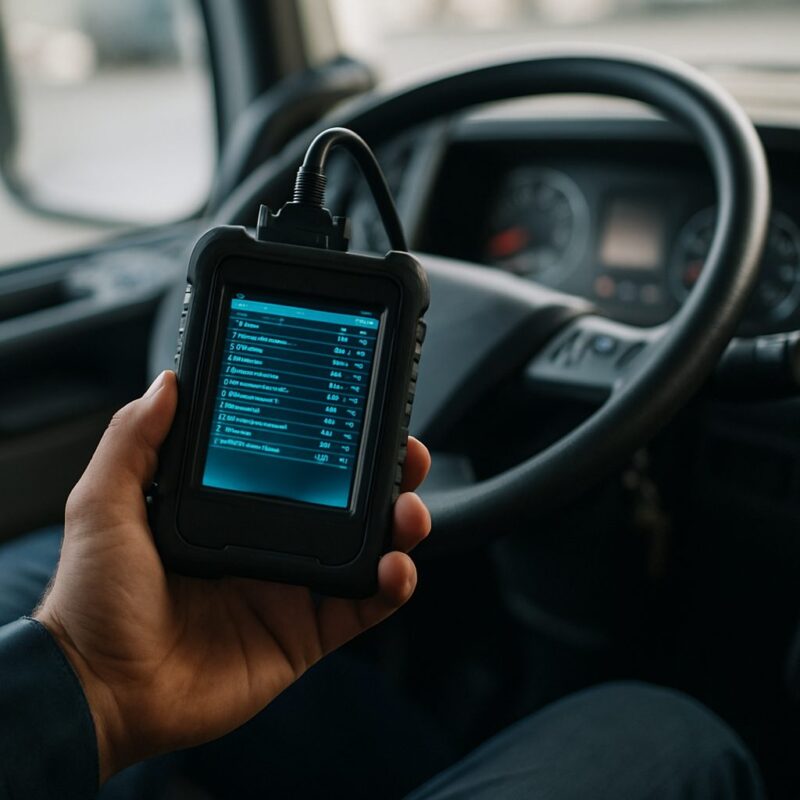
Heavy trucks report DEF faults as SAE J1939 SPN and FMI pairs. DEF quality faults are reported under SPN 3364, and the FMI says whether the reading is out of range, erratic or a sensor circuit fault. Cummins also lists its own fault code numbers in its service literature. Our DEF trouble codes hub explains how to read SPN and FMI pairs.
Sensor or fluid?
The sensor reports what it sees. Diluted fluid (water got in), concentrated fluid (the tank cooked in summer heat), contaminated fluid, crystals coating the sensor face and air bubbles in the tank all produce bad readings with a good sensor. Test the fluid with a refractometer before you buy the part. If the fluid reads between 31.8 and 33.2 percent and the code persists, the sensor or its wiring is the likely cause. Our DEF testing guide shows how, and our DEF sensor guide covers the other sensors in the header.
Before you replace the sensor
On many X15 chassis the quality sensor is not sold alone. It comes as part of the tank header, so a quality sensor job often means draining the tank, pulling the header and replacing level, temperature and heater parts along with it. That makes the fluid test even more important. Also look at the sensor face when the header comes out. A white film or crystal crust on it means the fluid has been dropping urea, and a new header will see the same fluid the old one did. Flush the tank with fresh DEF before the new part goes in, and clear and recheck codes after a full drive cycle.
There is also a regulatory change worth knowing. In March 2026 the EPA issued guidance allowing manufacturers to replace urea quality sensors with NOx sensor based monitoring, and to install approved software updates on existing engines without it counting as tampering. Ask a Cummins-authorized shop whether an update applies to your engine before replacing a quality sensor a second time.
The DEF Pump on the X15
The X15 DEF pump is part of the supply module, which also holds the DEF filter and, on most setups, the pressure sensor. It primes at key-on, holds pressure while dosing and purges the line back to the tank at shutdown so fluid does not freeze in it.
Pump trouble usually shows up as low-pressure or prime codes, an audible pump that runs without building pressure, or dosing faults that follow. Before condemning the module, check the tank level, change the DEF filter and look for crystals or air leaks in the suction line. A clogged filter starves the pump and looks exactly like a weak pump. Our DEF pump failure guide walks the tests.
Doser and Pressure Faults
The doser sits on the exhaust ahead of the SCR catalyst. It opens in short pulses and sprays a fine mist into hot exhaust. That location is hard on it: heat soaks back after shutdown, and any DEF left at the tip can dry to crystal.
Two code families show up most often on X15 trucks:
- Pressure faults (SPN 4334). Low pressure points to the supply side: filter, pickup, lines or pump. High pressure points downstream: a restricted doser, a pinched line or a blocked return. Our SPN 4334 FMI 18 guide covers the test order.
- Doser faults (SPN 3361). Electrical FMIs mean wiring, connectors or the valve coil. A mechanical FMI can mean a valve stuck by crystals.
A crusted doser tip is easy to see once the heat shield is off. White or yellow buildup around the tip or the mounting boss means DEF has been drying there. Our DEF doser valve guide covers cleaning versus replacement.
Winter on X15 Trucks
DEF freezes at 12°F (-11°C). A properly designed tank survives freezing, and the X15 system is built to thaw enough fluid to start dosing after startup. Heavy trucks commonly heat the tank with engine coolant through a valve, and heat the lines electrically.
Winter problems on X15 trucks fall into three groups. Heater faults: a coolant valve or line heater that fails leaves fluid frozen, and dosing faults follow. Short trips: the system may not finish thawing before the engine shuts off. Freeze and thaw damage to the fluid itself: DEF that freezes and thaws repeatedly in a jug or a yard tote can drift out of spec and drop crystals. When heater codes appear on the first cold mornings, start with the heater circuit. Our DEF heater failure guide covers the checks.
Keep spare jugs inside a heated shop rather than in the cab or an open bed, and avoid filling the tank to the brim before a hard freeze so the fluid has room to expand. Trucks that idle for long periods in the cold also deserve a doser check in spring, because low exhaust temperatures make DEF deposits at the doser more likely.
Service Intervals That Matter
Take intervals from the Cummins operation and maintenance manual for your engine and duty cycle, not from a forum post. The items that keep the DEF side healthy:
- DEF filter: change on the manual’s interval, and sooner if pressure codes appear or the old element shows crystals.
- Tank header and connectors: inspect at each PM for crust, corrosion and chafed harnesses.
- Doser: pull the heat shield and look at the tip at scheduled service, especially on trucks that idle a lot.
- Stored codes: read inactive codes at every PM. A quality or pressure code that set once is a warning.
- Software: ask at each dealer visit whether aftertreatment software updates apply to your engine.
Fleet Prevention for X15 Trucks
Most X15 DEF faults that are not electrical trace back to the fluid. Quality sensor trips, filter clogs, pump starvation and crusted dosers all get worse when DEF sits hot, evaporates or freezes and thaws before it reaches the tank.
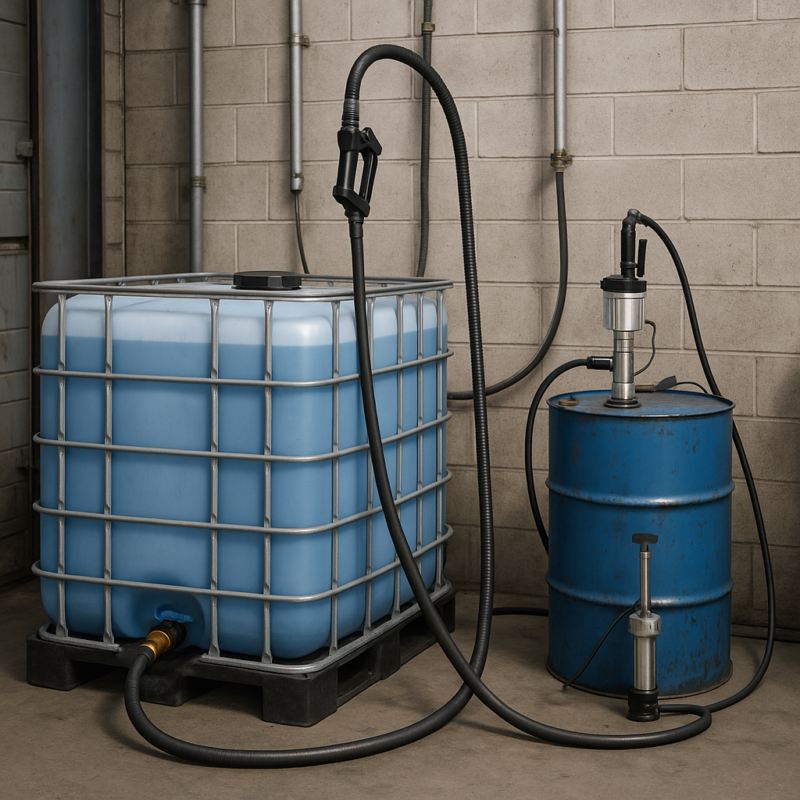
- Buy DEF your fleet will use within a reasonable time, and keep jugs, drums and totes sealed and shaded.
- Test each bulk delivery with a refractometer and log the reading.
- Keep fill nozzles and caps clean. Dirt at the fill neck ends up at the filter.
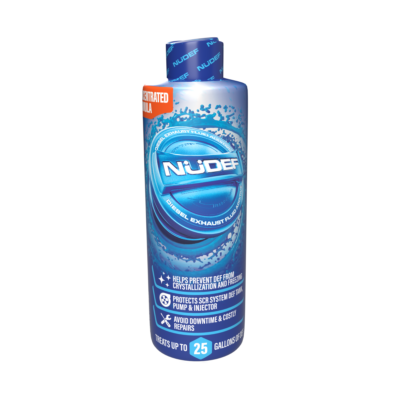
- Treat the fluid at every fill. NüDef DEF Treatment, Additive & Stabilizer helps prevent DEF from crystallization and freezing and protects the SCR system DEF tank, pump and injector.
NüDef does not repair a failed quality sensor, pump or wiring harness. It helps prevent the crystal buildup that coats sensors and clogs filters and dosers, which helps fleets avoid downtime and costly repairs. One 8 oz bottle treats 25 gallons. A Class 8 tractor burns DEF at roughly 2 to 3 percent of its diesel, so a truck using about 400 gallons of DEF a year needs about 16 bottles. A case of 30 covers 750 gallons at $17.00 a bottle. Fleets that want case pricing or a standing order can use our wholesale program, or order NüDef direct.