What “Service DEF System” Actually Means
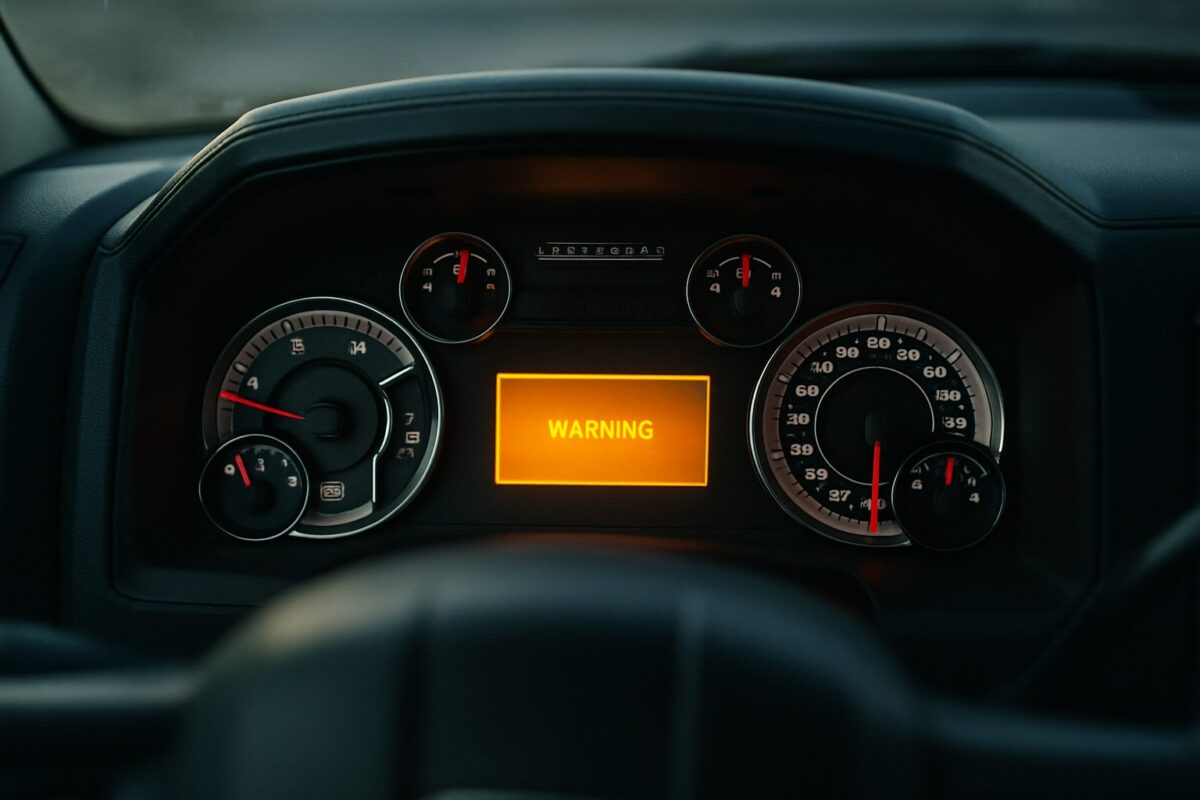
The Service DEF System message (often “Service DEF System See Dealer” on Ram trucks) means the truck has detected a fault somewhere in the diesel exhaust fluid circuit that it cannot resolve on its own. It is not the same as a low-DEF lamp. Low DEF means add fluid. Service DEF means something in the system, fluid quality, a sensor, the heater, or the dosing hardware, has failed a self-check (a clogged DEF filter is a frequent and cheap culprit), and the clock has usually started on a derate countdown.
The message is deliberately vague because it covers a wide net of faults. Under the hood it always comes with one or more diagnostic trouble codes, and those codes are where real answers live. We keep a full map of them in the DEF trouble codes guide. The worst thing you can do is ignore the message, because on nearly every platform it ends the same way: a speed limit.
The Countdown: What Happens If You Keep Driving
Emissions rules require the truck to force the issue. The typical sequence:
- Stage 1: the message appears, sometimes with a mileage counter (commonly 150 to 200 miles on Ram, similar ranges elsewhere). Full power remains.
- Stage 2: speed limited, commonly to 65 mph, then stepping down as the counter falls.
- Stage 3: 5 mph limp or no-restart once the counter hits zero. The truck will finish the trip it is on, then hold you hostage.
Running the tank dry triggers its own version of this ladder, which we covered in what happens if you run out of DEF. The Service DEF countdown behaves the same but starts from a fault, not an empty tank, so refilling alone often does not clear it.
The Five Causes, Cheapest First
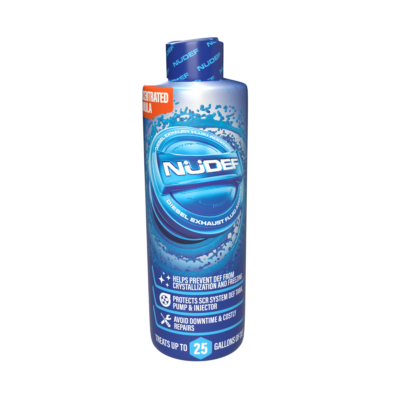
- 1. Degraded or contaminated fluid. DEF that has baked in heat, sat for a year, or picked up contamination drifts off its 32.5% urea spec. The quality sensor reads it honestly and flags the system. This is the $30 cause of a message that looks like a $1,000 problem, and it is the one NüDef DEF Treatment & Stabilizer exists to prevent. If the truck threw a quality-specific message, start with the DEF quality poor guide.
- 2. Crystallized doser or injector. Urea crystals choke the dosing valve, pressure goes out of range, and the system flags itself. White crust at the injector or lines is the tell.
- 3. A failed sensor. Level senders, quality sensors, and the NOx pair all report into this message. The hardware map, including the Ram “DEF header” assembly, is in the sensors and gauges guide, and the expensive pair has its own failure guide.
- 4. Heater faults. A DEF heater that cannot thaw the tank in winter fails its self-test and lights the same message, often before you ever notice a symptom.
- 5. Pump and wiring faults. The dosing pump, its pressure sensor, or corroded connectors. Least common, priciest to chase.
How to Clear It (In Order)
- Read the codes first. A $30 OBD reader turns “Service DEF System” into a specific fault. Guessing with parts is how a sensor bill doubles.
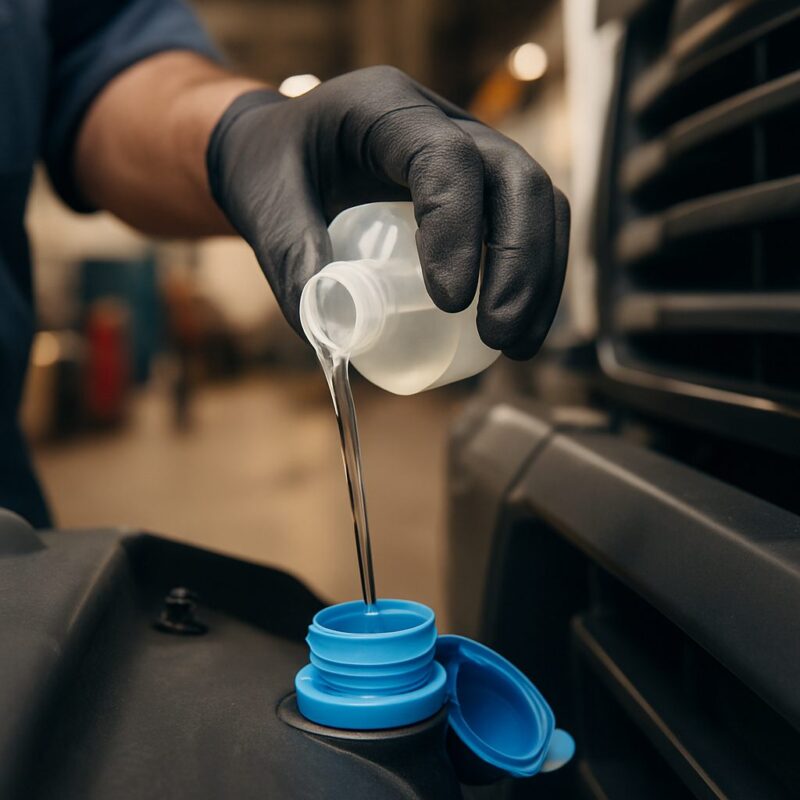
- Check the fluid before any hardware. A refractometer confirms concentration in seconds. Off-spec or cloudy fluid: drain, refill with fresh certified DEF, and treat it so it stays in spec.
- Inspect for crystals. White deposits at the doser, lines, or tank neck mean the fluid has been coming out of solution. Clean the doser and fix the fluid side, or the message returns.
- Then, and only then, replace hardware the codes actually point at.
- Complete the drive cycle. Most platforms self-clear after the fault is fixed and the system passes its checks over one or a few drive cycles. Some require a scan-tool reset or a dealer regen. There is no legal bypass, and “delete” routes are federal tampering violations that also kill resale.
By Truck: Where You’ll See It
- Ram / Cummins: the classic “Service DEF System See Dealer” with a mileage countdown. Ram’s combined header assembly makes sensor faults common; codes like P20E8 point at dosing pressure.
- GM / Duramax: “Service Emission System” or DEF-specific messages with a speed-limit ladder shown in the DIC.
- Ford / Power Stroke: DEF warnings escalate through the message center to a 50 mph then 5 mph limit; quality faults are the usual driver.
- Semi trucks and equipment: same logic, longer countdowns, and a derate that ends the workday. Fleets running treated fluid see these messages at a fraction of the rate, which is exactly the pitch behind our wholesale program.
Whatever the badge, the underlying system is the same SCR chemistry, and an amber emissions lamp can also belong to the DPF side of the aftertreatment, decoded in the DPF and regen guide.
The Prevention Math
Almost every path to this message runs through fluid condition. Degraded fluid trips the quality sensor. Crystallizing fluid chokes dosers and seizes level floats. Contaminated fluid does both. The repair bills stack from $200 sensors to $800 NOx pairs to four-figure dealer visits, against prevention that costs a few dollars per fill.
NüDef DEF Treatment & Stabilizer keeps urea in solution through heat, cold, and sit time, so the fluid the sensors read stays in spec and the doser stays open. One 8 oz bottle treats up to 25 gallons of DEF. Add it at fill-ups, keep your spare jug treated, and the Service DEF message goes back to being something that happens to other trucks. Order direct at nudef.com; fleets can set up case pricing through the wholesale program.
Low DEF vs Service DEF vs Quality Poor: Which Message Do You Have?
Owners use “the DEF light” for three different warnings, and the right response is different for each:
- Low DEF lamp or gauge warning: a level message, nothing is broken. Fill the tank with certified fluid and it clears itself. Ignore it long enough and it graduates into its own countdown.
- “DEF Quality Poor” (or Exhaust Fluid Quality): the quality sensor specifically has flagged the fluid. Start with the fluid itself, and the quality poor guide walks the exact sequence.
- “Service DEF System”: the broadest net, any fault in the circuit, always code-backed, always worth a scan before spending money. This guide.
A useful habit: photograph the exact message and the mileage counter when it first appears. The precise wording tells the shop which subsystem complained, and the counter tells both of you how much runway is left. Two minutes of documentation routinely saves a diagnostic hour.