What SPN 3226 Is
SPN 3226 is the SAE J1939 number for the Aftertreatment 1 Outlet NOx Sensor. It is the sensor after the SCR catalyst, on the tailpipe side of the aftertreatment system. Its job is to report how much NOx is left after the catalyst has done its work. The inlet sensor ahead of the catalyst has its own number, SPN 3216.
The aftertreatment controller uses the pair to run the SCR system. The inlet sensor tells it how much NOx the engine is making. The outlet sensor tells it how much survived. The difference is conversion efficiency, and the controller trims DEF dosing to keep that number on target. When the outlet sensor reports a problem with itself, the code is SPN 3226 with an FMI that describes the fault.
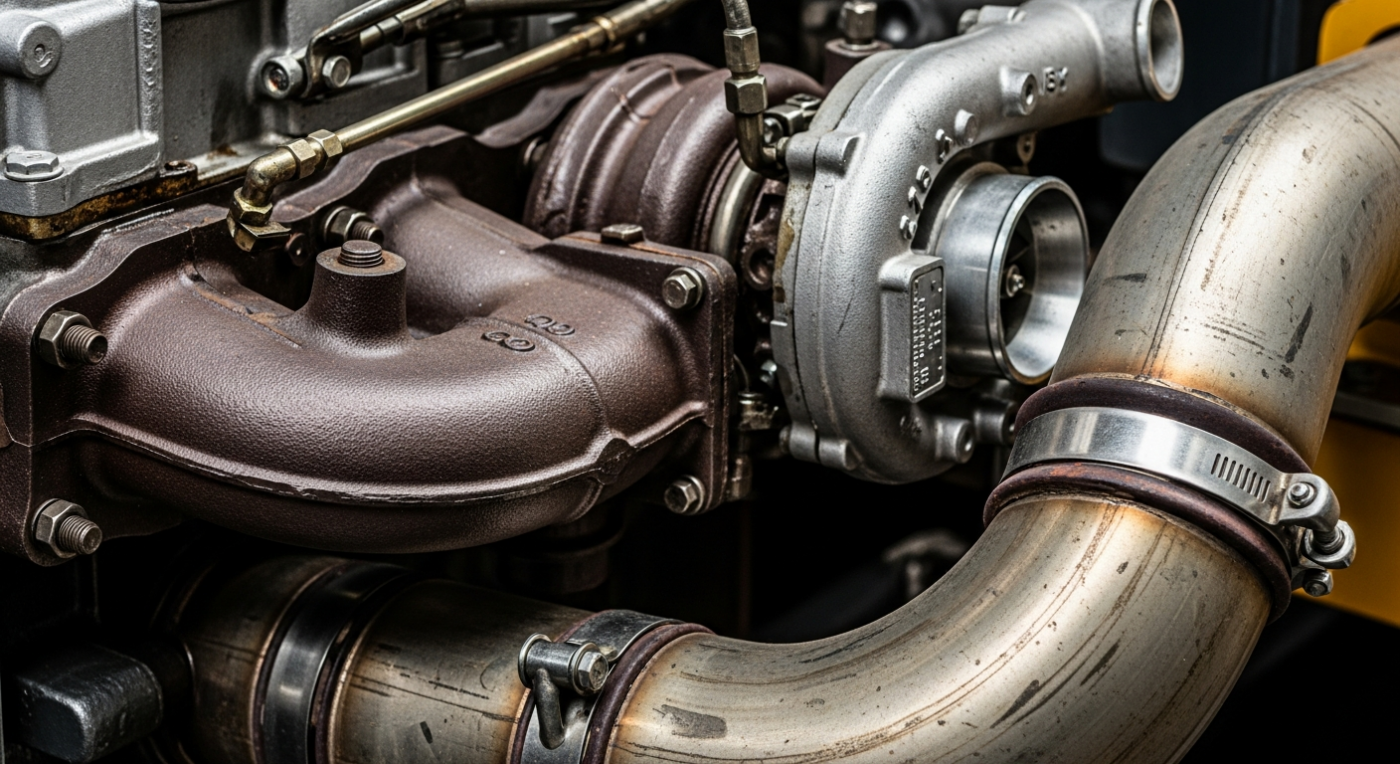
Most outlet NOx sensors on heavy trucks are smart sensors: a probe in the exhaust plus a small control module on a short harness, talking to the truck over the data link. That matters for diagnosis, because the module, the probe, the harness and the network can each set the code. Our SCR explainer shows where the sensors sit, and our DEF trouble codes hub covers how to read SPN and FMI pairs. Your OEM service information has the final word on test values for your engine.
FMI 10, 4, 13 and 12 Explained
The SPN names the sensor. The FMI tells you what kind of problem the controller sees. These are the common ones on SPN 3226.
FMI 10: abnormal rate of change
The reading is moving faster or more erratically than real NOx can change. Causes include a failing sensor element, a loose or corroded connector, a chafed harness, an exhaust leak near the probe that pulls in outside air, or moisture in the probe on cold starts. FMI 10 is the most searched SPN 3226 code, and it is usually the sensor, its wiring or the exhaust around it.
FMI 4: voltage below normal or shorted to low source
An electrical fault. Check the power and ground feeds to the sensor module, the fuse, and the harness for a short to ground before replacing the sensor.
FMI 13: out of calibration
The controller judges the sensor reading to be outside its calibrated range. Compare it with the inlet sensor during the OEM test. Some engines also flag a sensor that cannot finish its self-check.
FMI 12: bad intelligent device or component
The sensor module itself reports an internal failure, or it is not responding correctly on the data link. This one most often ends in a sensor replacement, after the connector and network wiring check out.
Other FMIs, such as FMI 2 (erratic, intermittent or incorrect data), show up too. The test approach is the same: wiring, power, exhaust leaks, then the sensor.
When FMI 10 Tends to Show Up
The timing of the code is a clue. Write down when it appears, because a pattern narrows the search before any parts come off the truck.
- Cold starts and wet weather. NOx sensors run a heated element and stay off until the exhaust is warm enough to clear condensation. Water hitting a hot element can damage it, and a sensor that is starting to fail often shows it first on cold, damp mornings.
- Right after exhaust or aftertreatment work. A clamp that was not sealed, a harness clipped too close to a hot pipe, or a connector that was not fully seated all show up within a few drives.
- After a pressure wash. Water forced into an old connector is a classic cause of erratic readings.
- On rough roads. An intermittent code that comes and goes with vibration points at a loose pin or a chafed wire.
A code that sets steadily at highway load, in dry weather, with good wiring, points more toward the sensor itself.
When It Is the Sensor and When It Is the DEF
Be honest about what the fluid can and cannot do here. FMI 10, 4, 12 and 13 describe the sensor, its circuit or its data. Bad DEF does not short a wire or kill a sensor module. If SPN 3226 is the only code and it carries one of those FMIs, start with the sensor and its wiring.
The fluid comes into play when the outlet sensor code arrives with efficiency or quality codes. The outlet sensor reports what the SCR did. If the DEF is diluted, too strong, contaminated or old, conversion drops and the outlet sensor reads high NOx. That reading is correct. The sensor is doing its job, and the efficiency codes that follow, such as SPN 4094 and SPN 4364, point at the fluid or the dosing. Replacing a good sensor in that situation fixes nothing.
Overdosing can confuse things the other way. Outlet NOx sensors can respond to ammonia that slips through the catalyst, so a dosing problem can make the outlet reading look wrong. That is one more reason to check fluid and dosing before buying a sensor.
- SPN 3226 alone, electrical or device FMI: wiring, power, connector, then the sensor.
- SPN 3226 plus efficiency or quality codes: test the DEF and the dosing first, then compare sensors.
- SPN 3226 plus pressure or dosing codes: fix the delivery side first and see whether the sensor code clears.
If you are unsure which case you are in, change the cheapest variable first. Fresh, in spec DEF and a clean filter cost little and take an afternoon. If the efficiency codes clear and the sensor code stays, you have narrowed the job to the sensor and its circuit. If everything clears, the fluid was part of the story. Our DEF quality poor guide covers the fluid side of that picture.
Test Sequence Before You Buy a Sensor
- Record everything. Write down every active and inactive code, the FMIs, the counts and the freeze frame.
- Inspect the harness and connector. Look for chafing near the exhaust, melted insulation, green corrosion and pushed-back pins. Outlet sensors live in a hot, wet spot.
- Check power and ground at the sensor module with a meter, per the wiring diagram.
- Look for exhaust leaks at clamps and joints ahead of the probe.
- Test the DEF in the tank with a refractometer. In spec is 31.8 to 33.2 percent urea. Our DEF testing guide shows how.
- Compare the inlet and outlet readings with the engine warm and no dosing. They should read close to each other. A large gap with no dosing points at a sensor.
- Run the OEM SCR performance test in the service tool and see which reading fails.
Can You Keep Driving With SPN 3226?
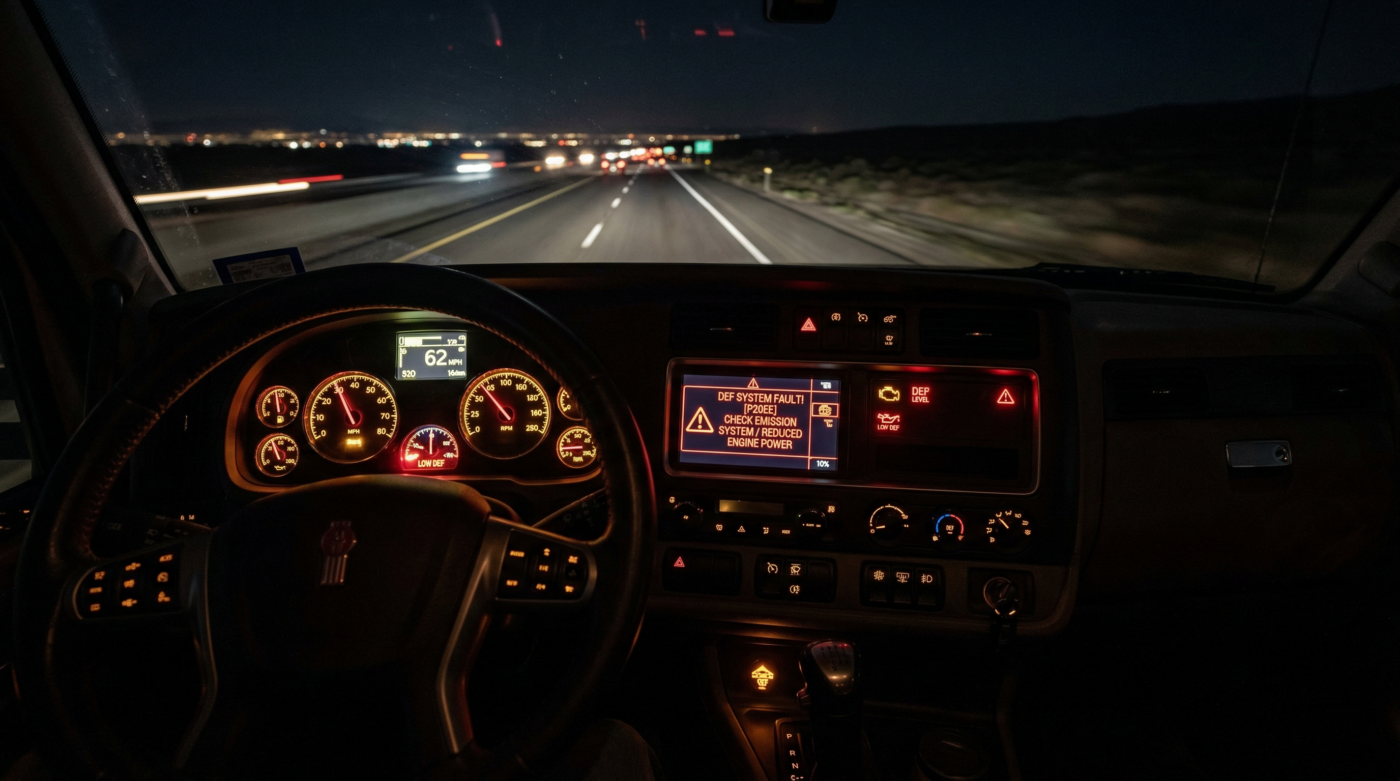
Usually for a while, but plan the repair. Without a trustworthy outlet reading, the controller cannot confirm the SCR system is working, and on most engines that starts the emissions inducement sequence. The truck may drive normally for a period, then show warnings, then reduce power or speed if the fault stays active. How fast that happens depends on the engine, its model year and its software.
Do not unplug the sensor to make the code go away. That sets more codes, speeds up the inducement and is tampering with an emission control. Fix the fault and let the system verify the repair.
Sensor Replacement Cost
A heavy truck NOx sensor is an expensive part, and dealer labor adds to it. Genuine and aftermarket sensors vary in price and in how well they match the engine’s calibration, so ask the shop which one they are installing and whether the controller needs a reset or a learn procedure afterward. Our NOx sensor guide covers replacement in more detail.
While the sensor code is active, the truck may be moving toward an inducement. Watch for the derate warning reported as SPN 5246, and do not let it reach the final stage on the road.
Prevention
- Route and clip the sensor harness away from hot pipes after any exhaust work.
- Seal exhaust leaks promptly. They skew both NOx sensors.
- Keep the DEF in spec so the outlet sensor reports a working catalyst: sealed containers, steady turnover, no tap water.
- Test bulk deliveries and keep the readings with the paperwork.
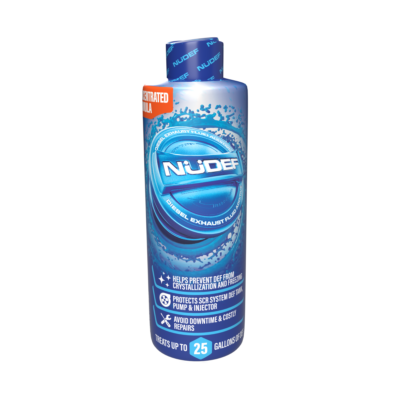
- Treat at every fill with NüDef DEF Treatment, Additive & Stabilizer.
NüDef does not fix a NOx sensor or its wiring. It helps prevent crystallization and helps prevent freezing in the DEF, and it protects the SCR system DEF tank, pump and injector. That keeps the fluid side from becoming the reason the outlet sensor reports high NOx. One 8 oz bottle treats 25 gallons. A case of 30 at $509.99 treats 750 gallons, about 68 cents per gallon. Fleets can set up case pricing through our wholesale program, and our DEF for semi trucks guide covers the rest of the Class 8 system. Order NüDef direct to help avoid downtime and costly repairs.