Fifteen years after the blue cap arrived, “where do I buy DEF?” has a happy answer: nearly everywhere diesel is sold. The better questions are which source fits how you run, what each one should cost, how to find it fast when the gauge is already flashing, and how to avoid the one real hazard in the supply chain: fluid that was fine when it left the blender and wrong by the time it reached your tank. Here is the complete map.
The Short Answer: It Is Everywhere
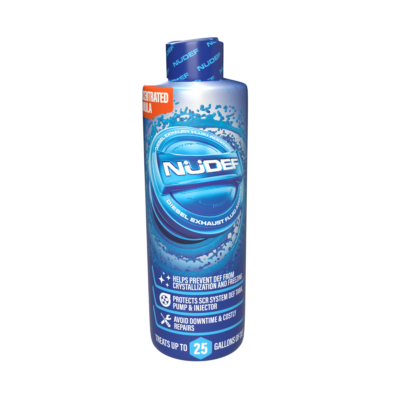
DEF sells through four channels. At the pump, beside diesel at travel centers and a growing share of fuel stations. By the jug, the standard 2.5-gallon box, at fuel stations, auto parts stores, big-box retailers and farm and ranch stores. In bulk, as drums and totes from fuel jobbers and lubricant distributors. And online, with everything else. If you drive a diesel pickup, you have passed DEF for sale a dozen times today. The channels differ on price per gallon, freshness turnover and convenience, and picking the right one for your usage pattern is worth real money over a year. Whichever one you pick, the fluid still has to survive the trip from shelf to tank, which is where NüDef DEF Treatment, Additive & Stabilizer earns its place in the door pocket.
DEF Near Me: How to Find It in Ten Minutes
When the low-DEF countdown starts, you do not need a guide, you need the nearest sealed jug. Work the list in this order.
- Fuel islands with a DEF nozzle. Most fuel-finder apps and station websites let you filter for DEF at the pump. Look for the “DEF” tag on the station listing, then check the diesel lane, not the car pumps.
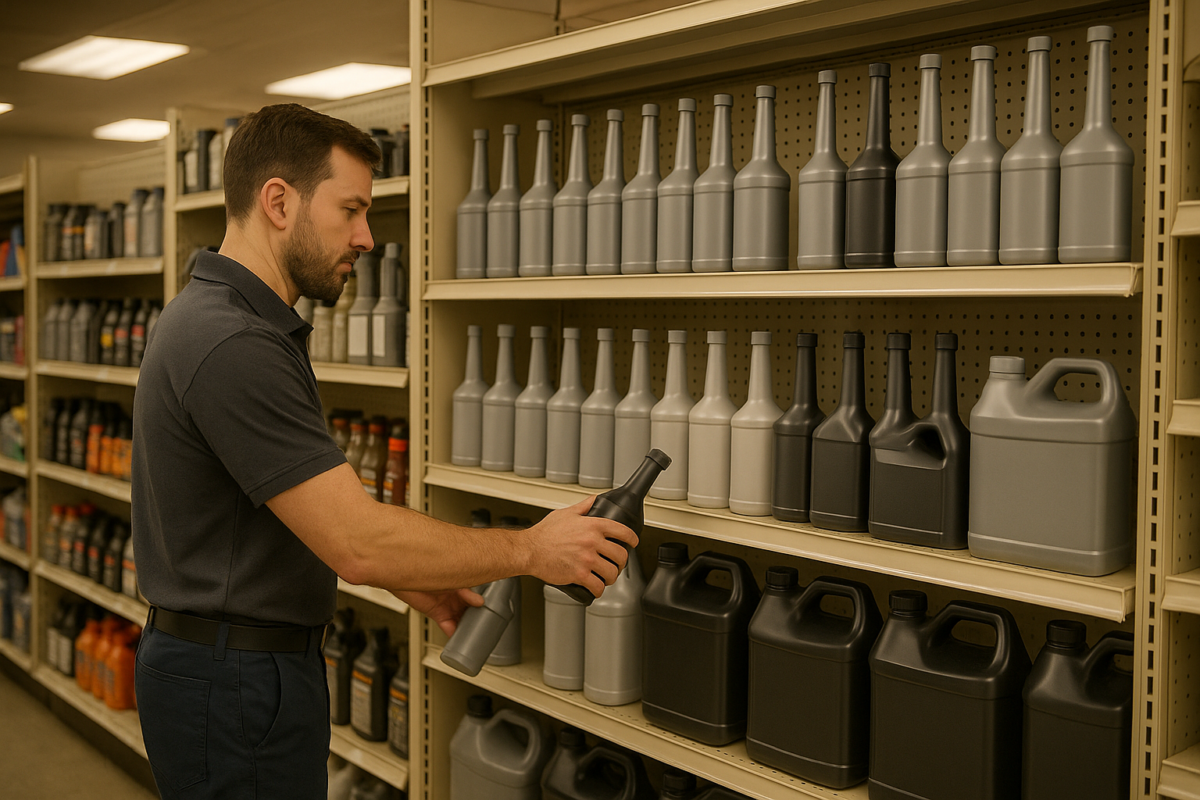
- Auto parts stores. Every national chain and most independents keep 2.5-gallon jugs on the floor, usually near the oil. Turnover is good and the staff know what it is.
- Farm and ranch stores. In diesel country these move more DEF than the fuel stations and often run multi-jug pricing.
- Big-box retailers and warehouse clubs. Automotive aisle, typically the best jug price in town.
- Truck and equipment dealer parts counters. Pricier, but open early, always stocked and always certified.
- Fuel distributors. For anything past a few jugs, the local jobber delivers drums and totes and usually sells single jugs at the counter too.
Two habits make “near me” work every time. Call ahead and ask for the date code on the jug, because a store that cannot read one is a store that does not rotate stock. And keep a sealed spare behind the seat so the search happens on your schedule, not the truck’s. Our run-out guide covers what the countdown does if you lose that race.
At the Pump: Cheapest Per Gallon
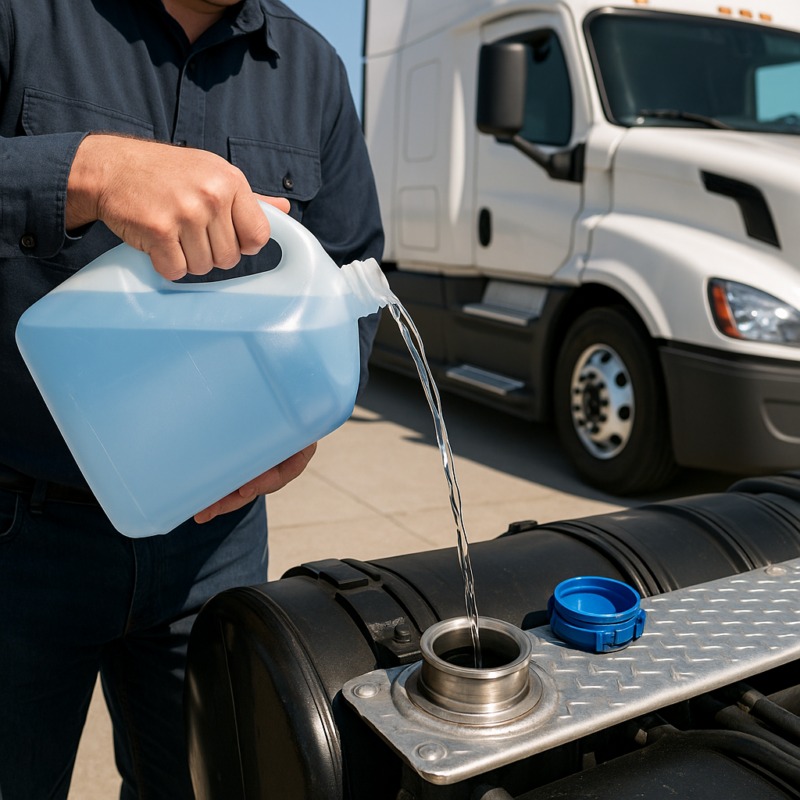
Travel centers on the interstate system dispense DEF at the diesel island the way they dispense fuel: a second nozzle, metered by the gallon, straight into the vehicle’s DEF tank. It is the cheapest retail DEF there is, typically $3.00 to $4.50 a gallon in 2026, and usually the freshest, because high turnover means the storage tanks never hold fluid long enough for it to age. Class 8 trucks live on this channel. Pickup owners can use it too, since the nozzle fits, with two cautions. The truck-island pace suits drivers who know their fill ritual. And the nozzle spends its life outdoors, so give it a look before it goes in your filler. A crusted nozzle drips crystallized residue into your tank along with the fresh fluid. The full comparison of pump fills against jugs, including which one suits which operator, is in DEF at the pump vs jugs.
Can You Buy DEF at a Gas Station?
Yes, and increasingly at the pump as well as on the shelf. Stations that sell diesel almost always stock 2.5-gallon jugs inside, and a growing number of highway stations have added a DEF dispenser to the diesel lane. The jug inside a gas station is the most convenient DEF you will buy and usually the most expensive per gallon, and it is the channel where date codes matter most: a low-volume station can hold a jug for a year. Check the date, check the seal, and if the jug looks sun-faded from a window display, buy the next one back.
By the Jug: Retail Sources
The 2.5-gallon jug is how most non-commercial diesel owners buy DEF, and it sells at four kinds of counter: fuel stations (most convenient, usually priciest), auto parts stores (good turnover, staff who know what it is), big-box retailers (typically the best jug price in town) and farm and ranch stores (strong stock rotation in diesel country, often multi-jug deals). The jug’s advantages are real: sealed, portable, storable, and exactly the two-gallon-plus quantity that clears a low-DEF inducement, which is why the spare jug behind the seat is the cheapest insurance in diesel ownership. The jug’s weakness is the shelf. Unlike pump DEF, a jug can sit for a year in a hot storeroom, and the label will not volunteer that history. The date-code check below is the whole defense, and a treated spare is the backup: one 8 oz bottle of NüDef treats up to 25 gallons, to help prevent crystallization in the jug that rides with you all summer.
Do You Need a Special Container?
No. DEF comes in its own sealed jug with a spout, and that jug is the container. What you must not do is transfer DEF into anything else: fuel cans, water jugs, coolant bottles or a “clean” bucket. DEF purity is specified in parts per million, and a trace of diesel, oil or minerals from a reused container is enough to trip the quality sensor and feed the crystallization that kills dosers. If you fill from a drum or tote, use a dedicated DEF pump and hose, and keep a dedicated funnel that touches nothing else. Our contaminated DEF guide shows what a reused container does to the system.
Bulk: Drums, Totes and Fleet Delivery
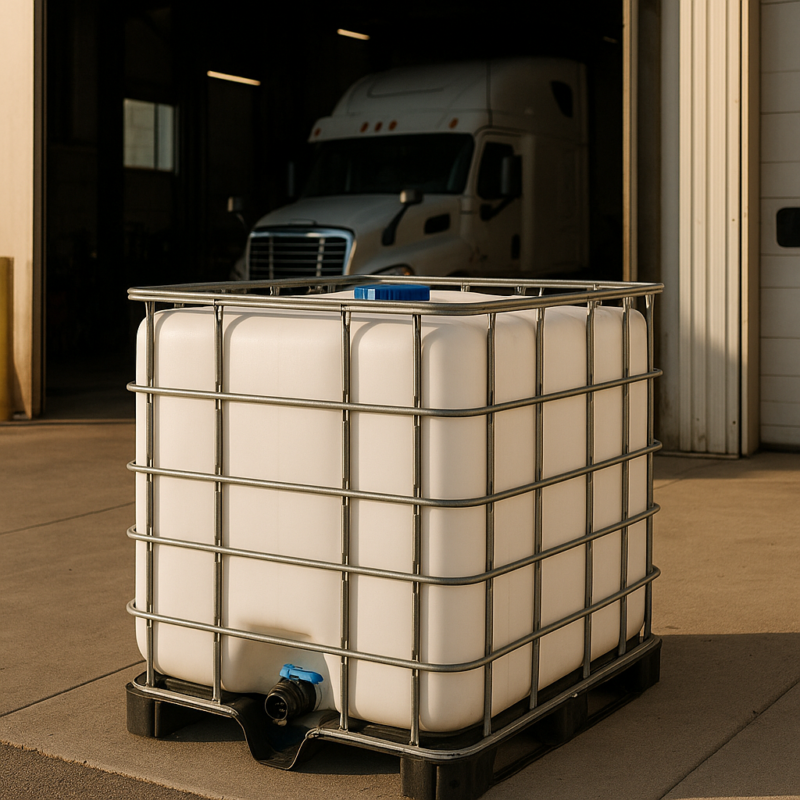
Past a few vehicles, jug math stops working. 55-gallon drums ($2.50 to $3.50 a gallon) suit small fleets and farms with a clean pump setup. 275- and 330-gallon totes ($2.00 to $3.00 a gallon delivered) serve yards and fleets with real consumption, and fuel jobbers will contract scheduled delivery just as they do for diesel. Bulk buying trades price for responsibility: you become the storage manager, and DEF stored wrong ages into the crystallization problems that fill our diagnostic guides. The rule of thumb we give fleets: buy bulk at the size you will turn over inside six months, store it out of heat and sun, and treat what sits. The bulk DEF guide covers totes, pumps and storage in detail, and the wholesale program offers NüDef at case pricing.
What DEF Costs in 2026
Typical 2026 US ranges: pump DEF at $3.00 to $4.50 a gallon, jugs working out to $4.50 to $9.00 a gallon depending on the counter ($11 to $22 per 2.5-gallon box), drums in the threes and delivered totes as low as the twos. Prices track urea markets loosely, since urea is a fertilizer commodity and spikes in that world reach the DEF shelf eventually, but the channel spread stays consistent: convenience costs, volume saves. Even at jug prices a pickup burning DEF at 2 to 3 percent of fuel spends a few dollars per tank of diesel on it. The fluid is never the expensive part of the system. The components that degraded fluid destroys are, which is why the quality section below matters more than the price one. For the per-mile and per-year math, read how much DEF costs.
The Quality Checklist Before You Buy
Three checks, ten seconds, every purchase:
- API certification mark. The API license means the fluid met ISO 22241 when blended. No mark, no sale. There is certified fluid within a mile of wherever you are standing.
- Date code. Every jug carries a manufacture date, often coded on the shoulder or cap. ISO 22241-3 gives DEF about 18 months at or below 77°F, 12 months at 86°F and 6 months at 95°F, so shelf life shrinks fast in heat. Reach behind the front jug for the newer date the same way you do with milk.
- Sealed and clear. Intact seal, and fluid that pours water-clear. Cloudiness, particles or a jug that looks sun-faded from sitting in a window are all no’s. DEF picks up contamination absurdly easily; the purity spec is measured in parts per million.
What the checklist protects you from is covered at length in our storage and shelf-life guide: off-spec fluid trips quality sensors, feeds crystallization and shortens the life of pumps and injectors. A $15 jug’s worth of savings against four-figure components.
Where Not to Buy
The channels to skip: the dusty rural shelf where jugs sit through summers (check dates ruthlessly if it is your only option); open, resealed or transferred containers at any price, including the neighbor’s half jug, because purity is unverifiable the moment the seal breaks; marketplace mystery brands without the API mark; and any “DEF substitute” or make-your-own recipe, which the quality sensor will flag and the warranty inspector will remember. The supply chain is too dense and the real product too cheap for any of these shortcuts to pay.
Buying Online: When It Makes Sense
Everything sells online, DEF included: jugs, cases, drums, even totes with liftgate delivery. The math is different from most products, because DEF is heavy, cheap and perishable. A 2.5-gallon jug weighs about 23 pounds, so shipping eats the price advantage unless you are buying cases on free-shipping programs, and the fluid’s shelf life means a pallet bargain is only a bargain at a burn rate that uses it fresh. Online works best for three buyers: rural owners far from thick retail, case-quantity planners who treat DEF like a subscription, and anyone whose local shelves keep failing the date-code check. Apply the same checklist: API mark visible in the listing, a seller with turnover, and jugs that arrive sealed with sane dates. A case in your own cool garage, rotated properly and treated, beats repeated gambles on unknown retail shelves.
Fleet Buying: Contracts and Programs
Fleets stop shopping and start contracting. Fuel jobbers and lubricant distributors run scheduled DEF programs the same way they run diesel: negotiated per-gallon pricing tied to volume, tote or tank delivery on route days, and equipment programs that put the dispensing hardware on site. Two contract points matter more than the headline price. Freshness terms: delivery batched to your consumption rather than your tank size, so fluid never sits two seasons. A bigger tank at a better rate that ages its contents is the classic false economy. And quality documentation: certificates of analysis on request, so when a truck throws a quality code the supply side can be ruled in or out in one phone call. Fleets running the numbers on total DEF-system cost will find the details in our fleet ROI guide. Long-haul specifics are in DEF for semi trucks.
Buying for RVs, Boats and Equipment
Diesel pushers, tow rigs, boats with SCR gensets and Tier 4 equipment all drink the same ISO 22241 fluid. There is no special “marine DEF” or “equipment DEF,” only the same certified product in whatever container fits the fill. The differences are practical. RVs burn more than owners expect when towing, so plan jug inventory before remote legs. Boats want containers sized to awkward fills and fluid bought fresh each season rather than wintered aboard. Equipment fleets live on drums and totes with the storage discipline that implies. The common thread is storage time between purchase and use, longer than a daily-driver pickup’s, which makes buying fresh and treating what sits the difference between smooth seasons and sensor codes.
After You Buy: Storage Decides Everything
Purchase quality is half the story; the other half happens in your garage, truck bed or yard. DEF wants cool, dark, sealed, and it wants to be used while fresh. Heat does the most damage fastest, which is why the jug that rode around in a pickup bed all August fails the truck it eventually gets poured into. If your DEF sits, whether a spare jug carried for months, a drum worked through a season or a tote between deliveries, NüDef DEF Treatment, Additive & Stabilizer helps prevent DEF crystallization through heat and sit time. It is a stabilizer and anti-scaling treatment, one 8 oz bottle treats up to 25 gallons, and it ships direct from nudef.com. Buy it right, store it right, treat what waits: that is the whole ownership formula, and it costs almost nothing next to the sensors and dosers it protects. Cold-weather storage has its own rules, covered in when DEF freezes.