Updated October 2026. This page states what each rule actually says and links to the source. It is general information, not legal advice.
Which Vehicles Require DEF
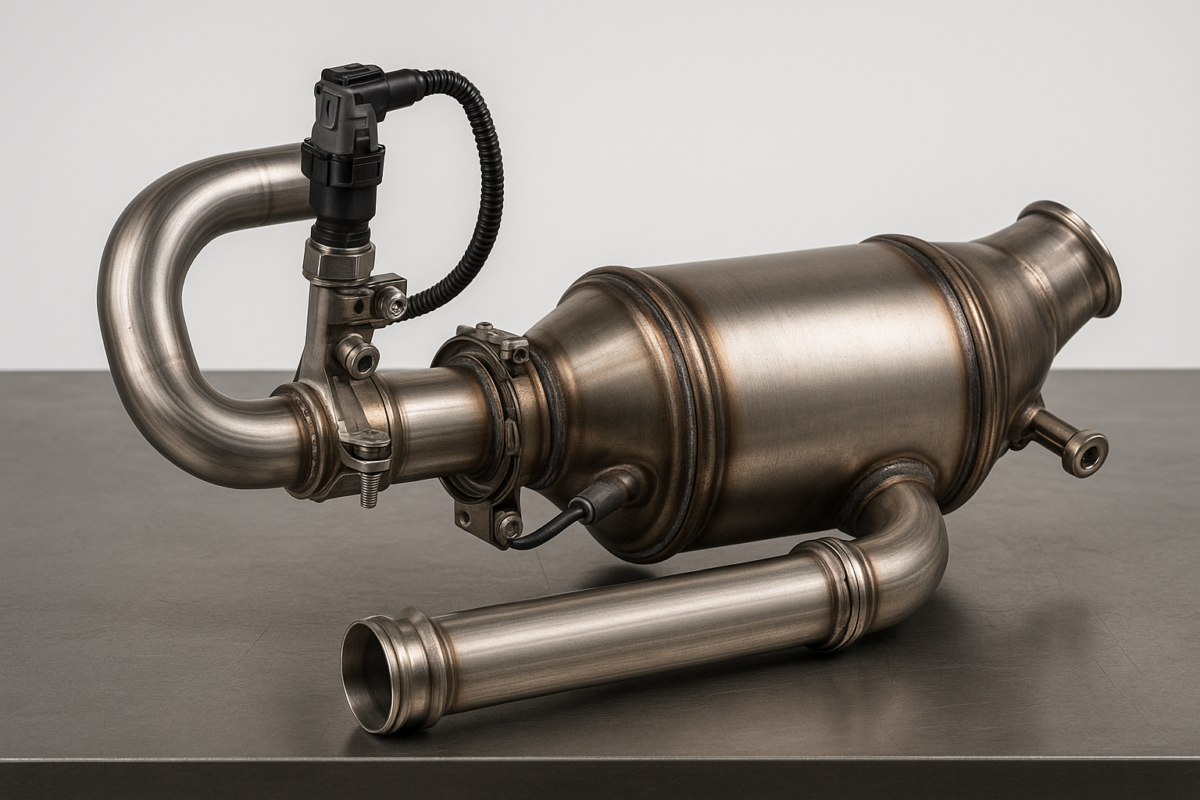
A diesel needs DEF if it uses selective catalytic reduction, or SCR, to control nitrogen oxides (NOx). In the United States that covers most new on-highway diesel trucks built since the 2010 model year, when the EPA's tighter heavy-duty NOx standard took effect. Heavy-duty pickups followed: Ford and GM moved to SCR around the 2011 model year and Ram heavy-duty trucks around 2013. Off-road diesel equipment picked up SCR with Tier 4 Final, phased in around 2014 and 2015 for most horsepower ranges.
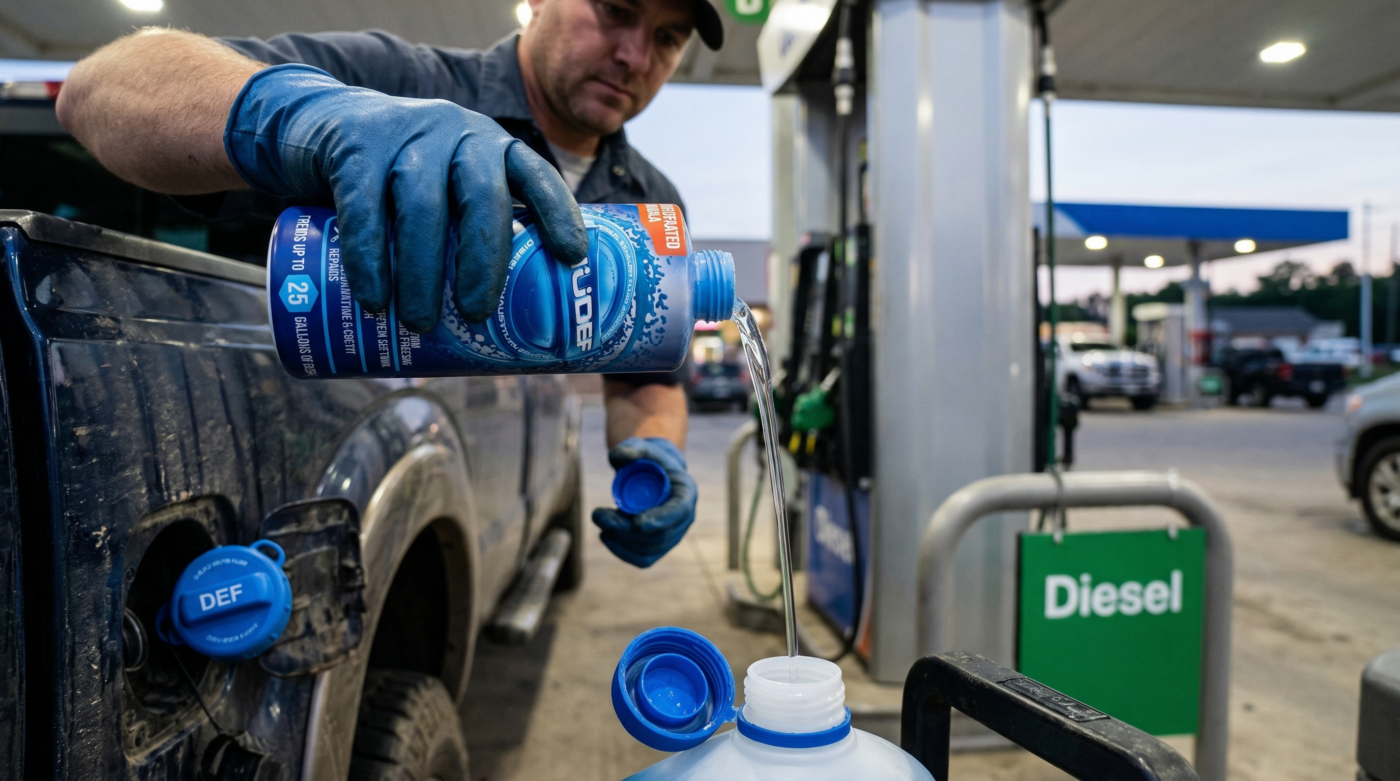
If your vehicle has a blue-capped DEF filler next to the fuel filler, it requires DEF. The engine will not run normally without it. The full timeline by maker is in what year DEF started, and the chemistry of the system is in how SCR works.
ISO 22241 in Plain English
ISO 22241 is the international standard for diesel exhaust fluid. The standard calls the fluid AUS 32, short for aqueous urea solution at 32.5 percent. It has four parts:
- Part 1, quality requirements. This is the spec most people mean. It sets urea content at 32.5 percent, with an allowed range of 31.8 to 33.2 percent, and puts strict limits on impurities: biuret, aldehydes, insoluble matter, phosphate, and metals such as copper, zinc, iron and aluminum, which are held to a fraction of a part per million. The published edition is ISO 22241-1:2019.
- Part 2, test methods. How a lab measures each of those properties.
- Part 3, handling, transportation and storage. Compatible materials, cleanliness and storage conditions that keep the fluid on spec after it leaves the plant.
- Part 4, refilling interface. The filler and nozzle design that keeps DEF out of the fuel tank and fuel out of the DEF tank.
Why the limits are so tight: the SCR catalyst is easily poisoned. Metals and minerals that would be harmless in most fluids build up on the catalyst and the dosing injector. That is why DEF is made with deionized water and why tap water never belongs anywhere near it.
The API Certification Mark
The American Petroleum Institute runs the API Diesel Exhaust Fluid Certification Program. In API's words, it is a voluntary program to certify and monitor the quality of diesel exhaust fluid. DEF marketers who show their product meets the most recent applicable edition of ISO 22241 can be licensed to display the API DEF Certification Mark.
Three things are worth knowing about the mark:
- It certifies DEF, not other products. The program covers diesel exhaust fluid itself.
- It is monitored. API buys licensed products in the marketplace and tests them to confirm they still meet the program requirements.
- You can check it. API keeps a public licensee directory, and its guidance recommends asking bulk suppliers for a certificate of analysis that covers every ISO 22241 property.
Buying API-certified DEF is the simplest step an owner can take. It does not matter which certified brand you buy, as our guide to mixing DEF brands explains.
EPA Inducement Rules
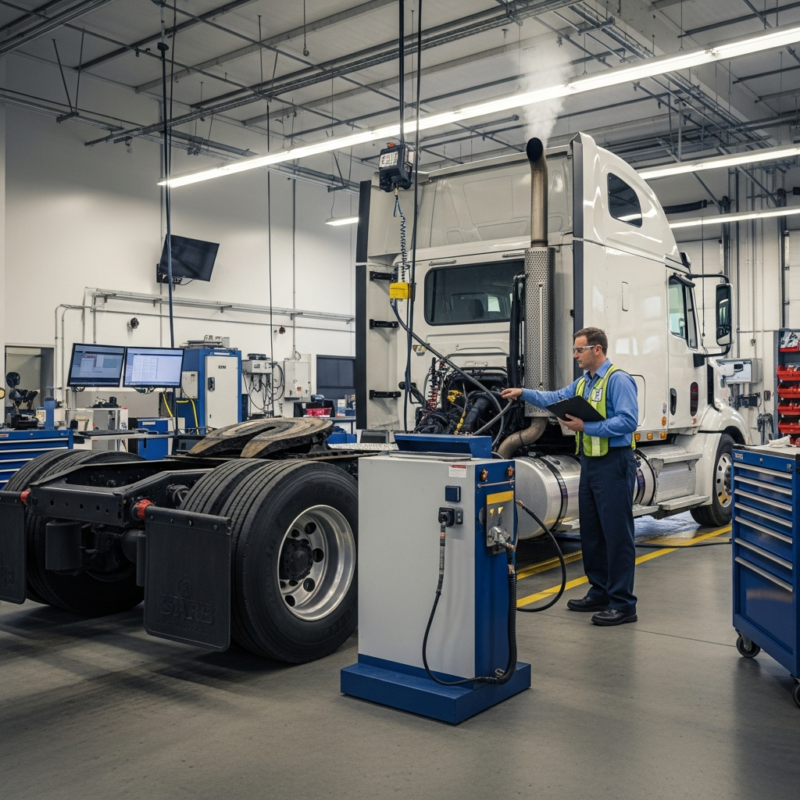
An inducement is what the EPA calls the derate a truck applies when its SCR system is not working: in the agency's words, vehicle speed and/or torque derates applied in response to conditions that degrade SCR performance. Running out of DEF, bad DEF quality, and tampering are the usual triggers.
On August 11, 2025, the EPA issued revised inducement guidance to engine manufacturers. It gives manufacturers the option of a much slower schedule. For heavy-duty trucks and tractors, after the engine confirms a fault:
- A 15 percent torque derate after 650 miles or 10 hours.
- A 30 percent torque derate after 4,200 miles or 80 hours.
- A 25 mph speed limit after 8,400 miles or 160 hours.
For chassis-certified vehicles, which include many heavy-duty pickups, the guidance allows a single 45 mph limit after 4,200 miles or 80 hours. Off-road engines get their own schedule, starting with a torque derate after 36 hours. Manufacturers may keep their existing strategies or adopt the new ones, and several have released software updates. Ask your dealer which schedule your engine runs.
In July 2026 the EPA went further and proposed replacing DEF derates with visible and audible warnings. As of this update that is a proposal, not a final rule. Until it is finalized and your engine is updated, plan on a derate if the DEF system faults.
Tampering and Deletes: The Law
The Clean Air Act prohibits removing or disabling a vehicle's emission controls, and SCR and DEF systems are emission controls. It also prohibits selling parts or tunes designed to defeat them. In January 2026 the Justice Department said it would stop bringing criminal cases over diesel deletes, but that did not make deletes legal. Civil enforcement and state rules still apply, and a deleted truck can fail a state inspection, lose its engine warranty and be hard to sell. The fix for DEF trouble is a working system, not a delete.
Handling Rules That Keep DEF on Spec
Most DEF that fails a test was fine when it left the plant. It went bad in storage or on the way into the tank. API's fact sheet sums up the handling side of ISO 22241 in a few rules:
- Store DEF out of direct sunlight and away from high heat, which speeds degradation.
- Rotate stock and use the oldest first.
- Use dedicated tanks, pumps, hoses and funnels for DEF only, and consider a closed-loop transfer system to keep airborne dirt out.
- Never reuse a container from another product without thorough cleaning, and never clean DEF equipment with tap water. Use distilled or deionized water, then rinse with on-spec DEF.
- Watch levels in cold weather. DEF can expand by up to 7 percent when it freezes.
API also publishes shelf life by storage temperature: 36 months at 50°F or below, 18 months at 77°F, 12 months at 86°F and 6 months at 95°F, with testing recommended for anything stored hotter. Our DEF shelf-life guide goes deeper, and how to test DEF shows how to check a jug you are unsure of.
What the Rules Say About Additives, and What They Don't
This is the question behind a lot of confusing advice, so here it is plainly.
What ISO 22241 says. It specifies the quality of the fluid as made, tested, stored and delivered. It sets no approval or certification path for anything added to DEF afterward.
What API says. API certifies DEF, not treatments. Its 2024 DEF storage and handling fact sheet tells owners: “DON'T add aftermarket additives to DEF. These may harm the quality of your DEF and could void your warranty.” Many owner's manuals carry similar language.
What that guidance is aimed at. The same API sheet lists the things that actually ruin DEF: heat, sunlight, dirty dispensing equipment, reused containers and tap water. The risk is contamination of a fluid with very tight purity limits. Nothing in ISO 22241 or the API program tests or approves any DEF additive, for or against.
What that means for you. Start with API-certified DEF and store it right. Read your engine warranty terms before adding anything. If you choose to use a treatment, use one made for DEF, at the label dose, and never add fuel additives, water or anything else not made for DEF. Our page on whether DEF additives work covers the evidence, and contaminated DEF covers what bad fluid does.
How NüDef Fits
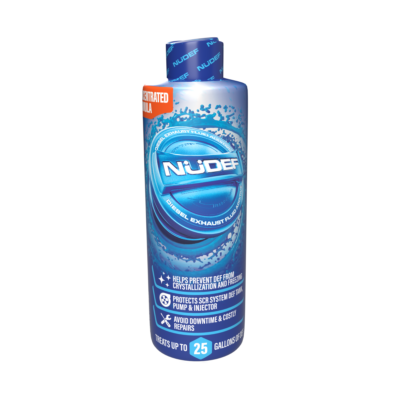
NüDef DEF Treatment, Additive & Stabilizer is made for use with ISO 22241 and API-certified DEF. It is added to certified DEF and never replaces it. Here is what we say it does and does not do:
- It helps prevent crystallization in the tank, lines, pump and injector.
- It helps prevent freezing of the treated fluid.
- It protects the SCR system, DEF tank, pump and injector.
- It cannot rescue DEF that is already off spec, replace a failed sensor or pump, or clear a code caused by a failed part. Scan first, fix the part, then treat the fluid.
One dose treats a 2.5-gallon jug, and one 8 oz bottle treats 25 gallons. It is $19.99 a bottle direct, or $509.99 for a case of 30. If you are comparing products, see the best DEF additive guide.