What SPN 3362 FMI 31 Means
SAE J1939 names SPN 3362 “Aftertreatment 1 Diesel Exhaust Fluid Dosing Unit Input Lines.” The dosing unit (many shops call it the supply module or DEF pump) pulls fluid out of the tank through a suction line, builds pressure and sends it to the dosing valve. SPN 3362 points at the input side of that unit: the line, pickup and filter that feed it.
FMI 31 means “condition exists.” It is a plain flag. The control module tried to prime the dosing unit, watched the pressure, and decided the unit was not getting the fluid it needed. The code does not say why. It says the supply path failed a check.
In practice FMI 31 on this SPN almost always means a priming problem. At key-on or engine start, the module runs the pump and expects pressure to rise inside a set time. If the pump sucks air, pulls against a blockage, or runs on an empty pickup, pressure never comes up and the code sets. The code shows up most often on Cummins-powered trucks, but the logic is the same on any SCR system that reports J1939 codes. Our DEF trouble codes hub explains how SPN and FMI pairs work, and your OEM service information always has the final word on test values for your engine.
How the prime check works
Most SCR systems run a priming routine every time the key comes on or the engine starts. The dosing unit runs, pulls DEF from the tank, and pushes it toward the dosing valve while a pressure sensor reports back. The module expects pressure to reach a target inside a set window. If it does, dosing is allowed. If it does not, the module may retry the prime a few times in the same drive cycle before it sets the fault.
That routine explains two things owners notice. First, the code often sets right after a cold start or a refill, because that is when the prime runs. Second, the code can come and go. A partly blocked pickup or a slow air leak may let the pump prime on one try and fail on the next. An intermittent SPN 3362 FMI 31 still deserves a full check of the supply path, because partial blockages usually grow over time.
Symptoms and Companion Codes
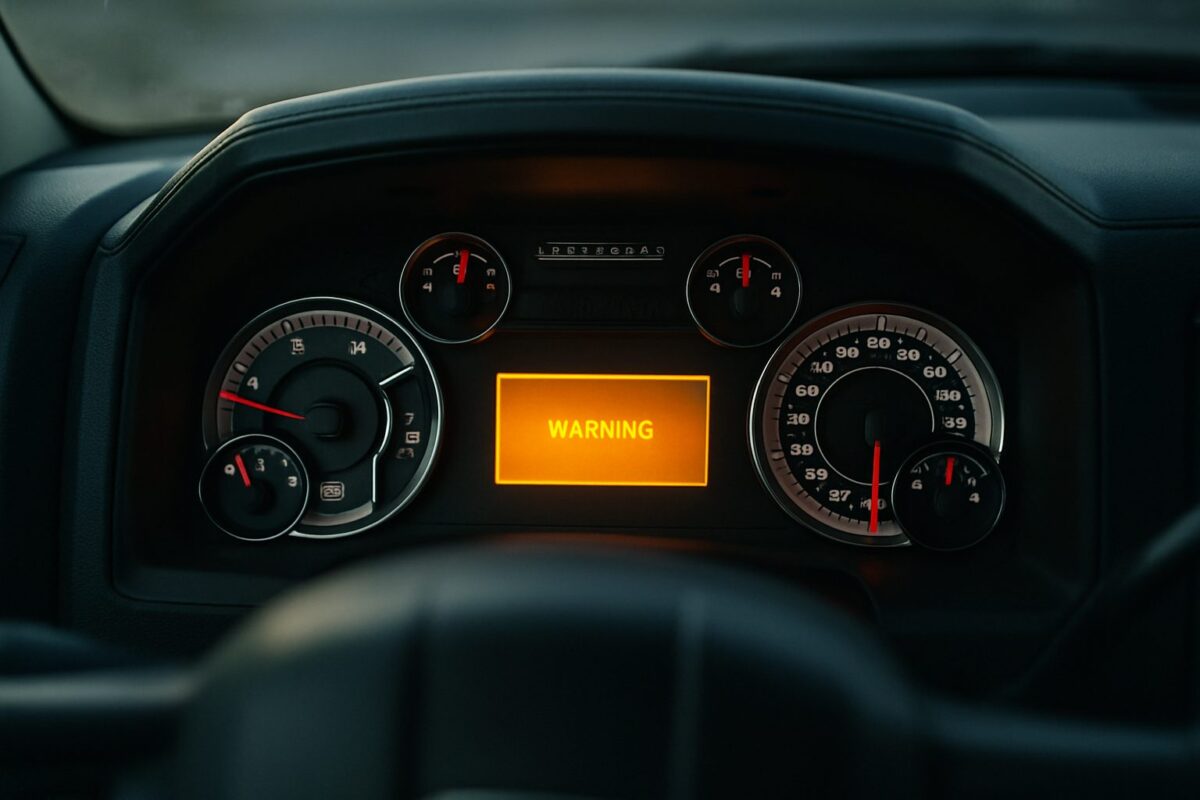
The first sign is usually the check-engine or DEF lamp with the truck still driving normally. The aftertreatment module cannot dose, so it logs the fault and starts counting. If the problem stays, the inducement schedule begins, and you will see SPN 5246 for the inducement itself. Our SPN 5246 FMI 15 guide covers how that derate ladder works.
Codes that often show up next to SPN 3362 FMI 31:
- SPN 4334 (DEF doser absolute pressure): low pressure is the direct result of a starved pump. See our SPN 4334 FMI 18 guide.
- SPN 1761 (DEF tank level): a low or misreading level sensor can explain an empty pickup.
- SPN 3363 or SPN 3031 (tank heater, tank temperature): in cold weather these point at frozen fluid at the pickup.
- SPN 4364 (SCR conversion efficiency): follows once the system has gone a while without dosing.
Read every stored and active code before you touch a part. The companion codes usually tell you which link in the supply chain broke.
Causes, Cheapest First
Work the list from the cheapest check to the most expensive part. Most input-line faults are found in the first four steps.
1. Low fluid or a misleading gauge
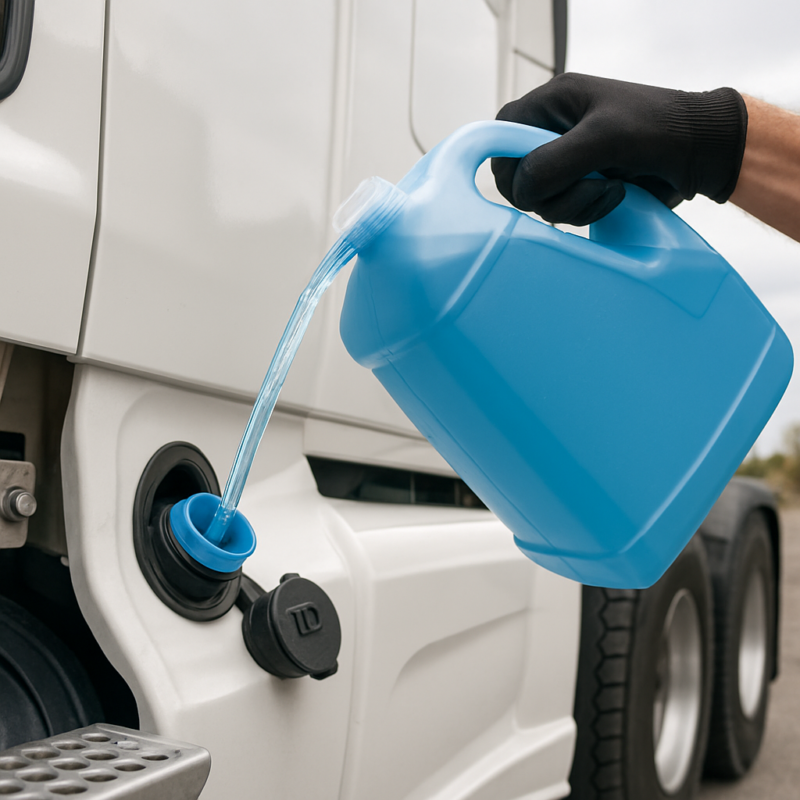
A tank that reads a quarter full can still leave the pickup sucking air on a grade, in a hard turn, or after a long idle. Top off with fresh, API-certified DEF and run the prime again before you do anything else.
2. Crystals at the pickup or in the suction line
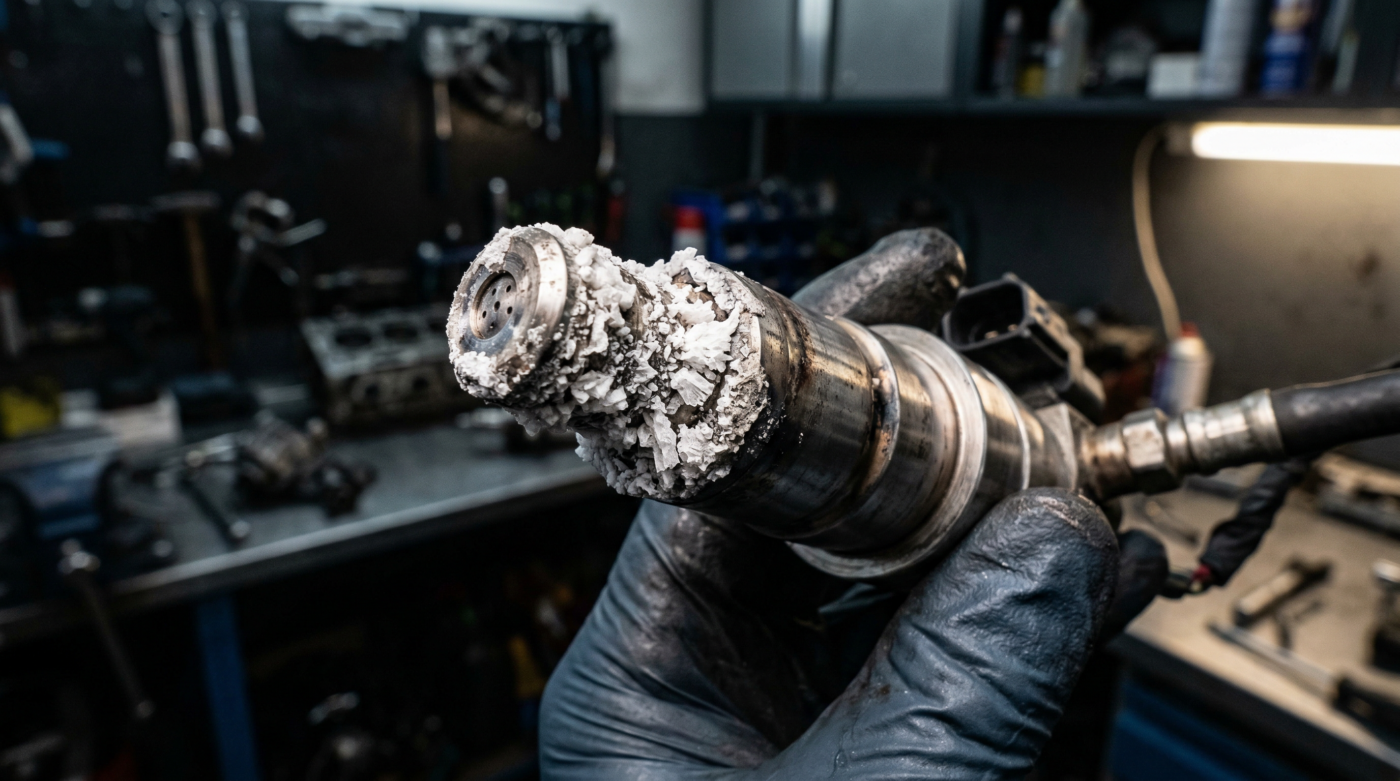
DEF that sits, heats up or evaporates leaves urea behind. White crust forms on the pickup screen, inside the suction line and at the quick connectors. A partly blocked inlet lets the pump spin but starves it, which is exactly the condition this code reports. Our DEF crystallization guide covers why crystals form and where they collect.
3. A clogged supply-module filter
The filter in the supply module sits in the suction path. When it loads with crystals or debris, the pump cannot pull enough fluid. Pull it and look. Our DEF filter service guide covers filter locations and intervals.
4. An air leak at a connector or line
A cracked line, a quick connector that is not fully seated, or a dried O-ring lets the pump pull air instead of fluid. White residue around a fitting is a good hint, because DEF that seeps out dries to crust.
5. Frozen or kinked lines
DEF freezes at 12°F (-11°C). If the tank heater or line heaters are slow, the pickup and suction line can still hold slush when the module tries to prime. A line pinched during other service does the same thing year round.
6. A weak pump or a return-side problem
Only after the supply path checks out should you suspect the dosing unit itself. A worn pump, a failed internal valve or a blocked return line can all fail the prime test. Our DEF pump failure guide covers how pumps fail and what replacement involves.
Test Sequence Before You Buy Parts
Follow your OEM troubleshooting tree when you have it. Without it, this order keeps you from buying a supply module you did not need.
- Record the codes. Note active and inactive codes, FMIs and occurrence counts, plus ambient temperature.
- Check the fluid. Confirm the level by eye, not by gauge. Test the fluid with a refractometer; it should read 32.5 percent urea, within 31.8 to 33.2. Our DEF testing guide shows how to read it.
- Inspect the supply path. Look at the pickup, the suction line and every connector between the tank and the supply module for crust, cracks and loose fittings.
- Pull the filter. Crystals on the element mean urea came out of solution upstream. Replace it and note what you found.
- Run the prime or dosing test. Most service tools can command a prime and a dosing quantity test. Watch pressure build against the spec.
- Check heaters in cold weather. If the code only sets on cold mornings, test the tank and line heater circuits before anything else.
- Then suspect the pump. If fluid, lines, filter and heaters are all good and the prime still fails, the dosing unit is the likely cause.
Clear the code only after the repair. The module needs to see a good prime and normal dosing before the lamp and any inducement step down.
Repair Cost
The range is wide because the cause is wide. Topping off or replacing a filter costs little. Cleaning crystals out of a pickup and suction line is mostly labor. Replacing a suction line or connector is a modest parts bill. A supply module or tank header assembly on a Class 8 truck can run into the thousands once you add dealer labor, and the truck is down while it waits for parts.
That spread is the reason to test in order. Many trucks that come in with SPN 3362 FMI 31 leave with a filter, a cleaned line and fresh fluid.
SPN 3362 in Winter
Cold weather adds two problems. First, frozen fluid at the pickup fails the prime until the heaters catch up. Short trips and long idles make it worse, because the tank never fully thaws. Second, fluid that freezes and thaws over and over in a tank, jug or tote can drop crystals as it cycles, and those crystals end up at the pickup and filter.
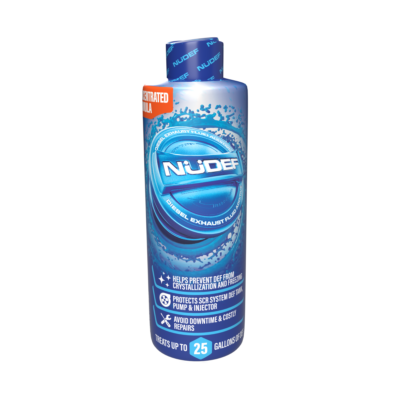
If the code appears in the first cold weeks, check the tank and line heater circuits before you replace the supply module. A heater that cannot thaw the pickup will fail the prime every cold morning, no matter how good the pump is. NüDef DEF Treatment, Additive & Stabilizer helps prevent DEF from crystallization and freezing, which protects the pickup, filter and lines through those freeze and thaw cycles.
Keeping the Supply Path Clean
The input-line fault is a supply problem, so prevention is about the fluid and what it leaves behind.
- Buy fresh, certified DEF and rotate stock so jugs do not sit for seasons.
- Store it out of heat and direct sun. Heat drives evaporation and crystal formation.
- Keep everything clean. Clean caps, clean nozzles, closed containers, no tap water near the system.
- Change the filter on schedule and look at the old one each time.
- Treat at every fill. One 8 oz bottle of NüDef treats 25 gallons. It helps prevent crystallization, protects the SCR system DEF tank, pump and injector, and helps you avoid downtime and costly repairs. Do not exceed the label dose.
Fleets can treat a whole yard at the bulk tank. A case of 30 at $509.99 works out to $17.00 a bottle and treats 750 gallons of DEF. For standing orders and case pricing, see our wholesale program, and our 18-wheeler DEF problems guide covers the rest of the Class 8 DEF system.