
What Is Diesel DEF?
What is diesel DEF exactly?
Diesel Exhaust Fluid (DEF) is a clear, non-hazardous fluid made of 32.5% high-purity urea and 67.5% deionized water. It’s not a fuel additive — it doesn’t go in the diesel tank. DEF is injected into the exhaust stream by your truck’s Selective Catalytic Reduction (SCR) system, where it reacts chemically with NOx (oxides of nitrogen) to produce harmless nitrogen and water vapor. Every diesel pickup, semi, and heavy equipment manufactured for the US market since 2010 uses DEF as part of EPA emissions compliance.
Is DEF the same thing as AdBlue?
Yes — DEF (sold in North America) and AdBlue (sold in Europe and most of the rest of the world) are the same product. Both conform to the same ISO 22241 standard. “AdBlue” is a trademark of the German Association of the Automotive Industry; “DEF” is the generic term. If you import a European diesel vehicle, you can fill the AdBlue tank with American DEF — it’s chemically identical.
What does DEF do in a diesel engine?
DEF doesn’t do anything inside the engine itself. It’s exclusively an emissions treatment, injected downstream of the engine into the exhaust. When DEF is sprayed into the hot exhaust stream, the heat breaks the urea down into ammonia. The ammonia reacts with NOx in the SCR catalyst to produce nitrogen and water vapor — both natural atmospheric components. Without DEF, modern diesel engines would exceed EPA NOx emission limits by 5–10x.
Why do diesel trucks need DEF and gasoline cars don’t?
Diesel combustion produces significantly more NOx than gasoline combustion at the same horsepower output, because diesel runs at much higher cylinder temperatures. Gasoline cars handle NOx with a simple three-way catalytic converter. Diesels need the more aggressive SCR system using DEF because catalytic converters alone can’t bring NOx down to current EPA limits. The DEF requirement is specifically about meeting EPA Tier 4 emissions standards on highway diesels.
DEF Specifications & Standards
What is ISO 22241?
ISO 22241 is the international quality standard for DEF (and AdBlue). It defines the exact chemical composition (32.5% urea, 67.5% deionized water), purity requirements (specific limits on metals, biuret, aldehydes, and other contaminants), and handling requirements. Real DEF carries ISO 22241 certification. The American Petroleum Institute (API) also certifies DEF in the US — look for the API DEF certification mark on the container. Off-spec DEF can damage your SCR system; using only certified product matters.
What’s the freeze point of DEF?
DEF freezes at 12°F (-11°C). When DEF freezes, it expands — which is why DEF containers and trucks have engineered headspace and why frozen DEF won’t crack your tank. Modern diesel trucks have heated DEF tanks and lines that thaw the fluid during cold-weather operation. The freeze/thaw cycle doesn’t damage DEF chemically — it goes back to spec when it warms back up. For cold-climate fleet operations, a DEF antifreeze additive like NüDef helps prevent crystallization issues that emerge after multiple freeze cycles. Read our guide on DEF freezing prevention.
How is real DEF different from generic urea solutions?
DEF requires very high purity. The urea in real DEF is “automotive-grade” or “DEF-grade” — purer than the urea used in fertilizers or industrial chemical processes. Trace metals, biuret, aldehydes, and other contaminants that are harmless in fertilizer applications will degrade your SCR catalyst. ISO 22241 sets specific maximum levels for each contaminant. Counterfeit or out-of-spec DEF causes irreversible catalyst damage — a $4,500+ repair on most modern diesel trucks.
Does DEF expire?
Yes. DEF has a shelf life of approximately 24 months under ideal storage conditions (cool, dark, sealed). Real-world shelf life depends heavily on storage temperature — DEF stored at consistent 70°F lasts close to two years, while DEF stored at 95°F+ degrades in 6–12 months. The urea concentration drifts over time as water evaporates through container materials, and biological contamination can develop in open or improperly sealed containers. Expired DEF can be tested with a refractometer; if the urea concentration is outside the 31.8%–33.2% window, it’s no longer compliant.
How Much DEF You Use
How much DEF does a diesel truck use?
DEF consumption is approximately 2–3% of diesel fuel consumption. So a truck burning 100 gallons of diesel uses 2–3 gallons of DEF. A long-haul Class 8 semi burning 12,000 gallons of diesel annually uses 240–360 gallons of DEF per year. A diesel pickup truck driver burning 600 gallons of diesel annually uses 12–18 gallons of DEF. The exact ratio varies with engine make, age, load profile, and operating conditions — newer engines tend to be slightly more efficient on DEF, heavy load operation increases consumption.
How much DEF per gallon of diesel?
About 1.5–2 oz of DEF per gallon of diesel for most modern trucks. So 100 gallons of diesel consumes 150–200 oz (1.2–1.5 gallons) of DEF. The truck monitors DEF consumption automatically and warns the driver when DEF is below 15% of tank capacity. For fleet planning, the simple rule is “buy DEF at 2.5% of your diesel consumption budget.” NüDef has a more detailed dosing guide at DEF dosing per gallon.
How long does a tank of DEF last?
Depends on your DEF tank size and your diesel consumption rate. A Ford F-250 Super Duty has a 5-gallon DEF tank; at typical fuel consumption this gives 5,000–7,000 miles between DEF fills. A Dodge Ram 2500 has a 5.5-gallon DEF tank with similar range. Class 8 semis typically have 14–25 gallon DEF tanks that go 7,000–15,000 miles between refills. The truck dashboard shows DEF percentage and gives warning lights at 15%, 10%, and 5% remaining.
What happens if you run out of DEF?
The truck enters limp mode. EPA regulations require diesel trucks to derate engine power and limit speed when DEF runs out. On most pickup trucks, you’ll see warning lights at 15% DEF, an alert at 10%, severe alerts at 5%, and engine derate (speed limited to 25 mph, power output reduced 25–40%) when DEF empties. Refilling the DEF tank clears the derate condition. Trucks don’t get permanently damaged by running out — but driving in derate for extended periods can cause secondary issues, and the alert sequence is impossible to ignore.
DEF Storage, Shelf Life & Temperature
What’s the best way to store DEF?
Cool, dark, sealed. Ideal storage temperature is 50–75°F. Avoid direct sunlight (UV degrades DEF over time). Avoid temperatures above 95°F (accelerated chemical degradation). Avoid metal containers (most metals are incompatible with DEF — only stainless steel, polypropylene, or HDPE plastic). Keep containers sealed when not in use (atmospheric moisture absorption and contamination from airborne particulates degrade DEF). DEF in a sealed, properly stored 2.5-gallon jug from a major retailer lasts at least 12 months on a shelf.
Can I store DEF outside in the winter?
You can — DEF freezes at 12°F but doesn’t get damaged by freezing. The container expands a bit during freezing (DEF containers have engineered headspace for this). When the DEF thaws, it returns to spec chemically. However, repeated freeze/thaw cycles in storage do accelerate degradation, and contamination risks rise with extended outdoor storage. For winter outdoor storage, an insulated shed or temperature-controlled warehouse is best. Read more about winter DEF protection.
What temperature does DEF crystallize?
DEF can crystallize across a wide temperature range — it’s not just a cold-weather problem. Crystallization at low temperatures (below 12°F) is just freezing. Crystallization at high temperatures (above 100°F) happens because water evaporates from the urea solution, leaving urea crystals behind. Crystallization in the truck’s DEF system happens after the urea is injected into the hot exhaust — if injection conditions are wrong, urea crystals build up on the SCR catalyst, deposit nozzle, and exhaust components. NüDef prevents both types of crystallization through proprietary stabilization chemistry. See our DEF crystallization guide for the full breakdown.
Where to Buy DEF
Where can I buy DEF?
DEF is sold at virtually every truck stop, most gas stations, auto parts stores (AutoZone, O’Reilly, Advance Auto Parts, NAPA), big-box retailers (Walmart, Costco, Home Depot, Tractor Supply), and dedicated diesel suppliers. Common sizes: 2.5-gallon jugs at retail, 55-gallon drums for fleets, IBC totes (275–330 gallons) for high-volume users, and bulk delivery for large operations. Most truck stops also have DEF pumps for at-pump filling. We cover the wholesale and bulk buying channels in Where to Buy DEF.
How much does DEF cost in 2026?
Retail DEF runs $3.99–$5.99 per gallon in 2.5-gallon jugs at major retailers. Bulk pricing through fleet distributors runs $2.85–$3.85 per gallon depending on volume, geography, and contract terms. Truck stop pump DEF is typically $3.49–$4.49 per gallon. DEF prices have stabilized in 2026 after volatility in 2022–2024 — current pricing reflects urea commodity stability and consistent production. A heavy-duty truck spending 2.5% of its diesel cost on DEF allocates about $1,200–$2,400 annually depending on mileage.
What brand of DEF should I buy?
Any DEF carrying ISO 22241 and API certification works mechanically — the standard ensures consistent chemistry across brands. Popular brands include BlueDEF, Peak BlueDEF, Mobil Delvac, Old World Industries (the manufacturer behind many private-label DEFs), Yara DEF, Brenntag DEF, and major retailer house brands (Walmart’s blue DEF, Tractor Supply’s house brand, etc.). For most users, brand doesn’t matter — buy the freshest, cleanest container at a competitive price. NüDef is a DEF additive (not a DEF replacement) that prevents crystallization regardless of what DEF brand you use.
DEF Failures, Codes & Limp Mode
What is DEF limp mode?
Limp mode is the EPA-mandated power reduction that diesel trucks enter when DEF is empty, contaminated, or the SCR system is malfunctioning. Power is reduced 25–40%, speed is limited (typically to 25 mph after a final warning sequence), and the truck will not return to normal operation until the underlying issue is fixed. Limp mode is intentional — it forces the driver to address the emissions issue before allowing further operation. Refilling DEF clears the simple low-DEF limp; complex SCR faults may require professional diagnosis.
What is code P207F?
P207F is the diagnostic trouble code for “Reductant Quality Performance — Out of Range.” The truck has detected that the DEF in the tank is not within the expected concentration range (31.8%–33.2% urea). Common causes: contaminated DEF, expired DEF, water added to dilute DEF (sometimes done as a fuel theft strategy), or the SCR quality sensor failing. We cover P207F in detail in DEF Trouble Codes Explained.
What is code P20EE?
P20EE is “SCR System Efficiency Below Threshold.” The truck has detected that NOx output downstream of the SCR catalyst is higher than expected — meaning the catalyst isn’t doing its job. Causes include catalyst poisoning from contaminated DEF, catalyst thermal damage from prolonged high-temperature operation, deposit crystallization on the catalyst face, or SCR injector failure causing under-dosing. Often requires professional diagnosis. NüDef can prevent the crystallization-related causes from developing.
What is code P20EF?
P20EF is “Reductant Quality Performance — Inducement.” Similar to P207F but at a more severe stage — the truck is preparing for limp mode if the issue isn’t resolved. Treat P20EF as an active service requirement. If you have a P207F or P20EF code, drain your DEF tank, refill with fresh certified DEF, clear the codes, and observe whether they return. If they return, professional diagnosis is needed.
Can DEF crystallization damage my truck?
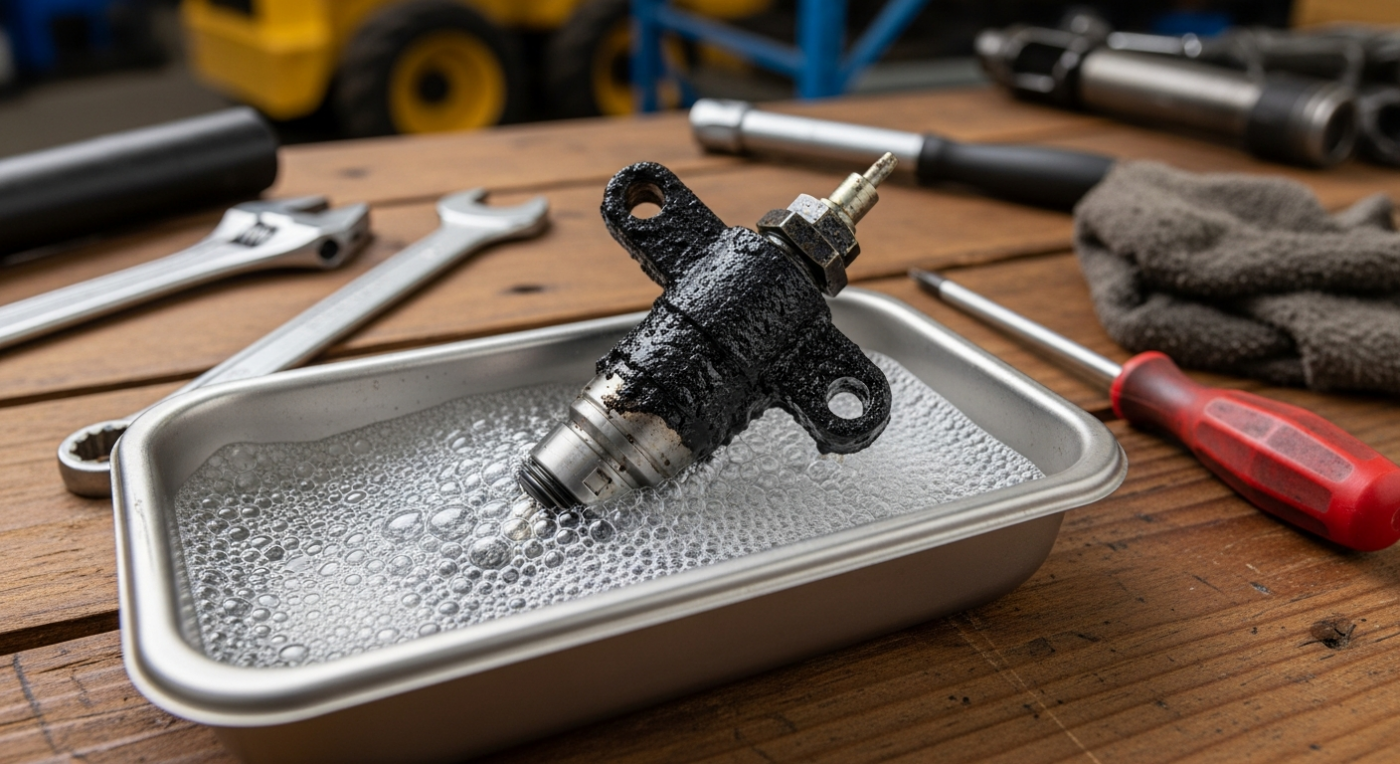
Yes. DEF crystallization deposits build up on the SCR catalyst, exhaust components, and injector. Mild crystallization causes performance codes (P20EE, P20EF). Severe crystallization can require physical cleaning or component replacement — SCR catalysts run $1,500–$4,500 to replace on most light- and medium-duty diesels. Heavy-duty truck SCR replacement runs $4,000–$12,000. Prevention through DEF additives like NüDef is dramatically cheaper than treating crystallization after it develops. See How to Clean Crystallized DEF for diagnosis and repair guidance.
NüDef and DEF Additives
What is NüDef?
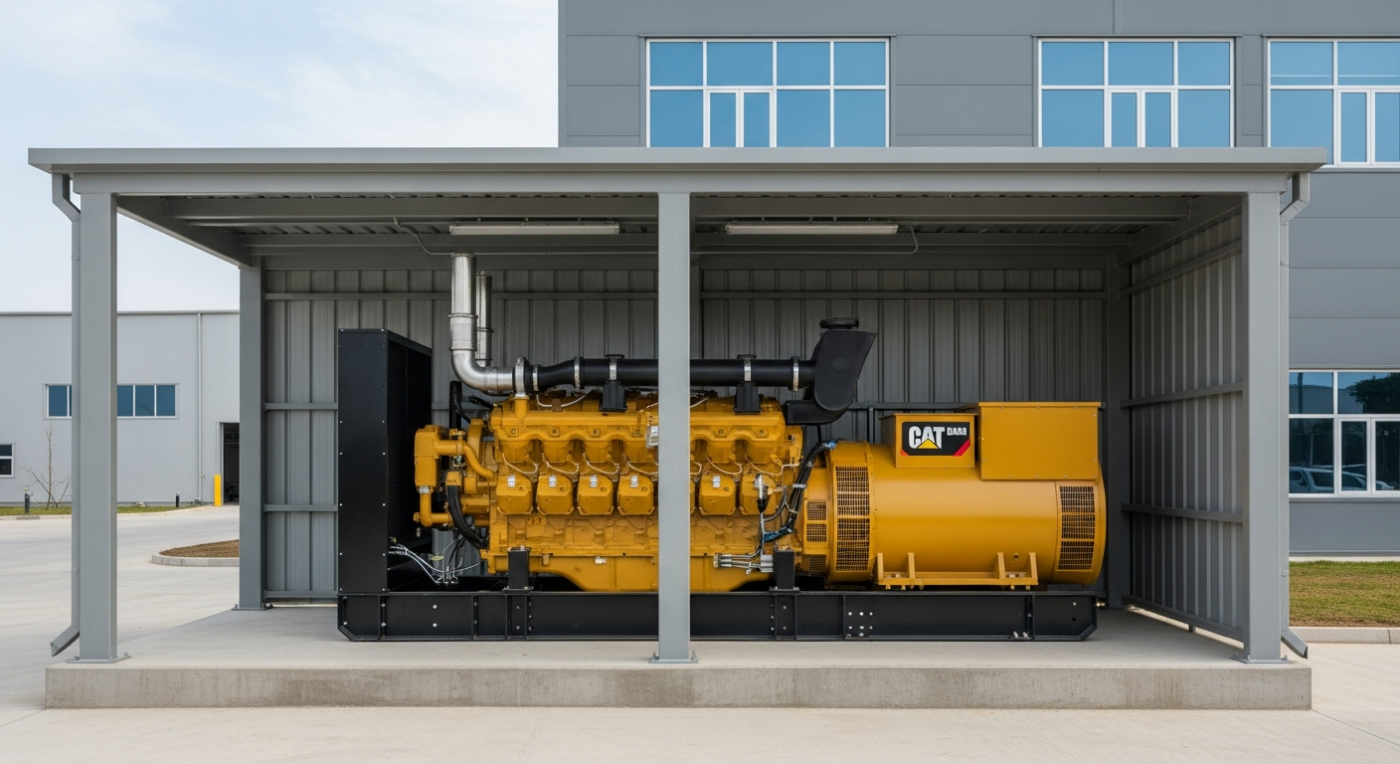
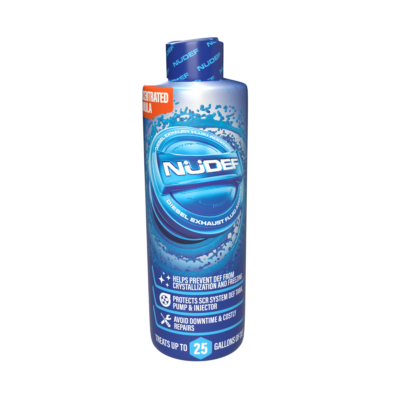
NüDef is a DEF additive — a treatment product that mixes with your existing DEF to prevent crystallization, extend shelf life, and reduce SCR system failures. NüDef works with any DEF brand and any diesel truck or generator using SCR technology. One bottle treats 25 gallons of DEF. For fleet operations, larger Case (30) packs are available wholesale. The chemistry is proprietary urea stabilization technology that disrupts the crystal formation process — preventing deposits from forming on injectors, catalysts, and exhaust components.
Does NüDef replace DEF?
No. NüDef is added to your DEF, not used in place of it. The diesel emissions system still requires DEF to neutralize NOx — NüDef extends the working life and reliability of that DEF. Think of it the same way you’d think of a fuel stabilizer for diesel fuel: it doesn’t replace the fuel, it improves the fuel.
Does NüDef really work?
Yes, and we have customer field data to back it up. We’ve worked with truck stops, fleet operations, agricultural fleets, and individual diesel owners. The most reliable signal is repeat customers — fleets that try NüDef once typically reorder within 4–6 months. Read our honest review of whether DEF additives work.
How is NüDef different from Hot Shot’s Secret DEFender or Rislone?
Different chemistry, different price points, different proven reliability. We have honest head-to-head comparisons of all three:
Where can I buy NüDef?
Direct from us at nudef.com, or through select retail partners. For fleet and wholesale pricing, contact us at [email protected] or call (855) 300-0031.