July 2026 update: Southeast heat and humidity run neck-and-neck with Texas for DEF degradation, and with hurricane season (June–November) driving fuel and freight surges, downtime from a crystallized DEF system is the last thing a Florida, Alabama, or Georgia fleet needs. NüDef stabilizer keeps DEF in spec when the heat and the schedule are both peaking. Also see our Texas and California fleet guides.
Savannah Just Changed the Map
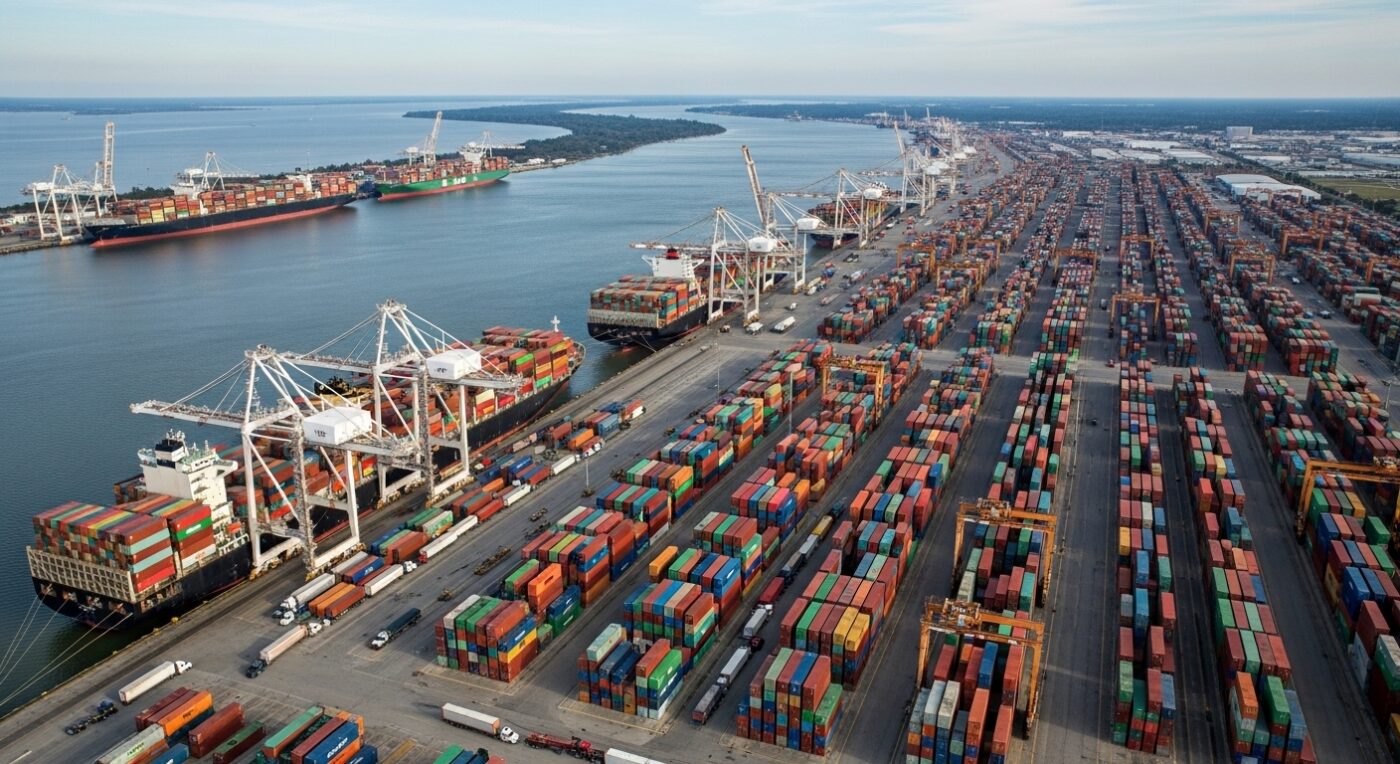
Savannah just passed 6 million TEUs. Every one of those containers gets on a diesel truck.
That’s not a projection — it’s the Georgia Ports Authority’s actual throughput number, and it represents a 12% year-over-year jump that’s made Savannah the fastest-growing container port in the United States. What used to be a regional shipping hub has become the second-busiest port on the East Coast, and it’s still accelerating.
For fleet operators across the Southeast, this isn’t just a trade headline. It’s a capacity story. More containers mean more chassis, more drayage trucks, and more miles logged on I-16 between Savannah and Atlanta. Every one of those trucks runs a Tier 4 diesel engine with an SCR system. Every SCR system needs clean, in-spec DEF to function. And the Southeast’s unique climate makes keeping DEF in spec harder than most fleet managers realize.
The Southeast Is Now America’s Logistics Corridor
The shift didn’t happen overnight, but it’s unmistakable. Savannah, Jacksonville, Mobile, and Charleston are all posting record container volumes. What these ports share — beyond deep water and growing capacity — is a connected inland network that funnels freight into the same corridors.
Atlanta sits at the center of it all.
I-75 runs south to Florida and north to Tennessee. I-85 connects to the Carolinas. I-20 stretches west to Birmingham and beyond. The convergence of these three interstates makes Atlanta the largest inland logistics hub in the country, and that’s not changing anytime soon. Hartsfield-Jackson International Airport adds another layer — it’s been the world’s busiest airport for over two decades, and the ground support fleet that keeps it running burns diesel around the clock.
The result is a region where freight density is growing faster than fleet capacity can absorb it. New trucks are entering service constantly. Existing fleets are pushing higher utilization rates. And every one of those trucks is running an SCR system that depends on quality DEF treatment to stay compliant and operational.
Florida: Year-Round Heat, Year-Round DEF Demand
Northern fleets get a break from DEF degradation every winter. Florida doesn’t.
That’s the fundamental difference. While a Michigan fleet might deal with DEF quality issues from May through September, a Florida operation faces heat-driven degradation twelve months a year. Tampa averages above 70°F even in January. Miami rarely dips below 75°F. And DEF sitting in a truck tank in direct sun at a Florida rest stop doesn’t care what the calendar says — it’s degrading.
Florida’s DEF demand profile runs deeper than just long-haul trucking. The state’s agricultural sector — citrus, sugarcane, cattle, row crops — depends on diesel-powered equipment that operates year-round in conditions that accelerate DEF breakdown. A citrus harvester running through Orlando’s summer heat is pushing DEF to its thermal limits every shift.
Then there’s drayage. Jacksonville’s JAXPORT, Port Miami, and Port Tampa Bay together handle millions of TEUs annually. Jacksonville alone has become a major auto import hub. The drayage trucks servicing these ports sit in queue, idle, and crawl through terminals in heat that pushes DEF tank temperatures well above the recommended storage range.
And don’t overlook the snowbird factor. Every winter, hundreds of thousands of RVs head south on I-75 and I-95. The modern diesel RV — Class A pushers, diesel Super C units — runs the same SCR technology as a commercial truck. RV owners aren’t fleet managers, but they’re buying DEF by the gallon, and they’re doing it in Florida’s heat. That’s a retail opportunity that runs from October through April every year.
For Florida fleet operators dealing with DEF crystallization issues, the heat factor isn’t seasonal — it’s constant. Treating DEF at every fill isn’t a summer protocol in Florida. It’s the standard operating procedure.
Alabama: Five Auto Plants and a Freight Corridor
Alabama doesn’t get the logistics attention that Georgia or Florida attracts, but the state’s manufacturing density tells a different story.
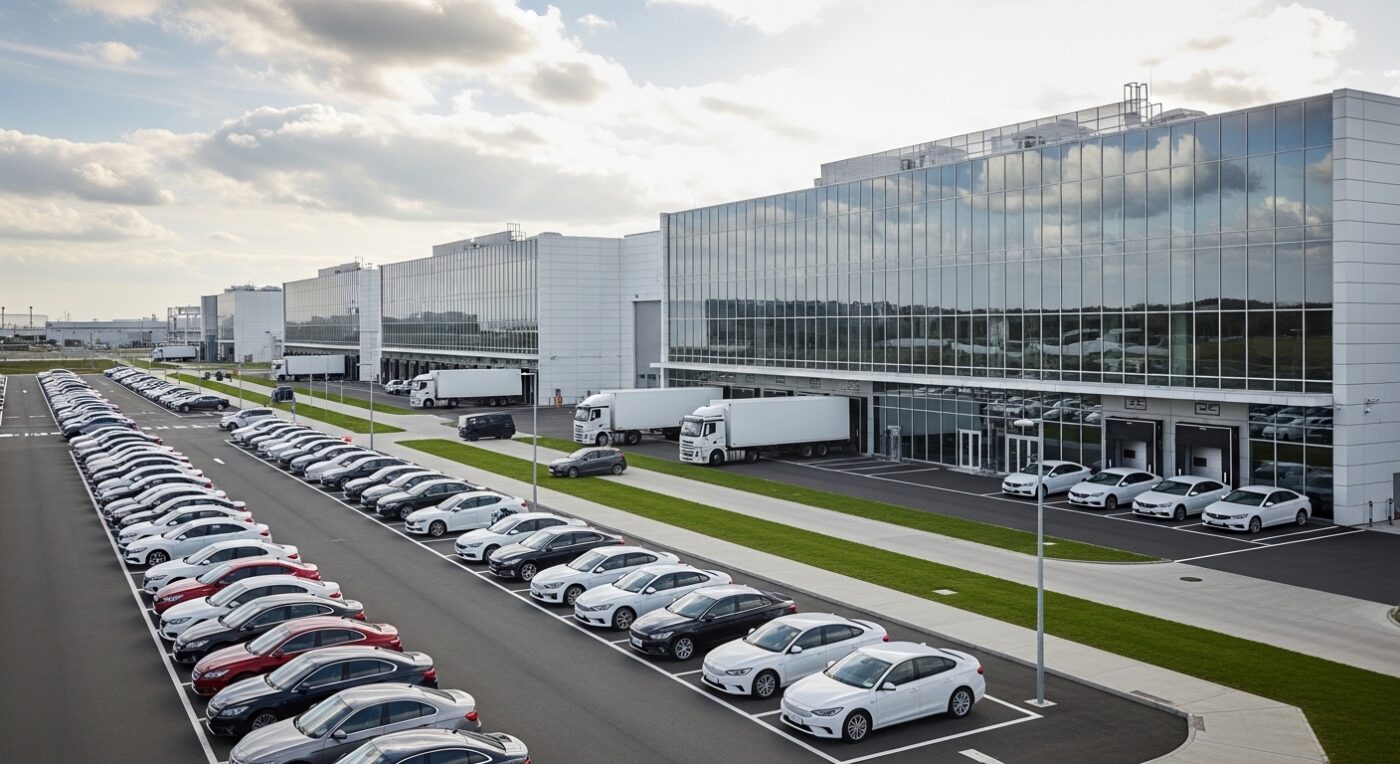
Mercedes-Benz operates its only U.S. manufacturing plant in Tuscaloosa, producing GLE, GLE Coupe, and GLS SUVs. Honda Manufacturing of Alabama runs a major facility in Lincoln. Hyundai Motor Manufacturing Alabama is in Montgomery. Toyota and Mazda opened their joint venture plant in Huntsville. That’s five major automotive manufacturing operations in a single state, each with supplier networks, parts logistics, and finished vehicle transport fleets that run diesel.
The I-65 corridor connects all of it. Running from Mobile’s port on the Gulf Coast through Montgomery, Birmingham, and up to Nashville, I-65 is Alabama’s freight spine. Mobile’s container terminal has been expanding steadily, positioning itself as a Gulf Coast alternative to the congestion at Houston and New Orleans. The trucks running between Mobile’s port and Alabama’s manufacturing plants are logging serious miles on SCR-equipped engines.
Alabama’s fleet DEF challenge is industrial. These aren’t long-haul trucks that run through the state — they’re manufacturing logistics vehicles that operate in the state, day after day, in summer heat that regularly exceeds 95°F from June through September. A parts delivery truck making daily runs between a Hyundai supplier in Montgomery and the assembly plant is filling its DEF tank from the same bulk storage that’s been sitting in the Alabama sun.
The supplier ecosystem is massive. Each major assembly plant supports dozens of tier-one and tier-two suppliers within a few hours’ drive, creating a regional freight web that’s dense, repetitive, and heavily diesel-dependent. These are fleets that run predictable routes, consume DEF at consistent rates, and represent exactly the kind of wholesale customer that orders on a recurring schedule.
For fleets managing DEF-related diagnostic trouble codes, the combination of short-haul cycles and heat exposure creates a specific risk profile that differs from over-the-road operations.
Georgia: Where Every Freight Lane Converges
Georgia’s logistics economy isn’t just about the Port of Savannah, though that’s where the numbers are most dramatic. The state functions as a distribution gateway for the entire eastern half of the country.
Atlanta’s warehouse and distribution center footprint has grown by over 100 million square feet in the past decade. Companies locate distribution operations in Atlanta because a truck can reach 80% of the U.S. population within a two-day drive. That geographic advantage means a massive concentration of last-mile delivery fleets, LTL carriers, and regional distribution trucks — all diesel, all SCR-equipped, all needing DEF.
The I-75 corridor from Atlanta to Florida carries some of the highest truck traffic volumes in the Southeast. It’s the primary artery for produce heading north from Florida, consumer goods heading south from distribution centers, and everything in between. Georgia’s section of I-75 through Valdosta, Tifton, and Macon is where fleets burn through DEF at rates that match their fuel consumption.
Hartsfield-Jackson’s ground support operations add another layer. The airport’s diesel-powered ground support equipment — tugs, belt loaders, pushback tractors, fuel trucks — operates 24/7 in a concentrated area with high idle times and extreme summer heat. Airport ground support fleets represent a specific wholesale opportunity for DEF treatment products because the equipment density per acre is enormous.
The Savannah-to-Atlanta corridor alone generates enough freight volume to support entire logistics companies. Intermodal facilities in Garden City, near the port, transfer containers to rail and truck for the 250-mile run to Atlanta’s distribution centers. The trucks on this route cycle quickly — high utilization, short turnaround, limited idle time between loads. That operational tempo means DEF gets consumed fast and replenished from whatever source is available at the next stop.
Georgia fleets that need to clean a contaminated DEF tank are often dealing with degradation that built up over weeks of summer operations. Prevention through consistent treatment is far more cost-effective than remediation after the fact.
The Southeast’s Unique DEF Challenge: Humidity Plus Heat
Fleet operators who’ve managed trucks in both Texas and Georgia already know this, but it’s worth stating clearly: Southeast heat isn’t the same as Southwest heat.
Texas fleets deal with extreme dry heat that accelerates evaporation and urea concentration drift. The Southeast’s problem is different. High humidity combined with high temperatures creates conditions where DEF degrades through a different mechanism — slower evaporation but faster biological and chemical breakdown of the urea solution.
A DEF tank in Houston at 100°F and 30% humidity faces evaporation-driven concentration changes. The same tank in Savannah at 95°F and 80% humidity retains its volume but sees accelerated urea decomposition. The end result is still out-of-spec DEF that triggers SCR efficiency faults, but the degradation path is different, and it can sneak up on fleet managers who are only watching for the dry-heat warning signs.
The practical impact for Southeast fleets is that DEF doesn’t “look” degraded as quickly. In dry heat, you’ll see crystalline deposits forming around fill caps and tank openings. In humid heat, the fluid stays liquid longer while the chemistry drifts below spec internally. By the time the DEF quality sensor flags a warning, the urea concentration may have dropped far enough to trigger a derate countdown.
This is why consistent preventive treatment matters more in the Southeast than almost anywhere else. You can’t rely on visual inspection to catch degradation. NüDef’s stabilizer technology addresses the chemical breakdown pathway directly — it doesn’t just slow evaporation; it stabilizes the urea solution against thermal decomposition regardless of ambient humidity.
California fleets face regulatory pressure. Texas fleets face dry heat. Southeast fleets face the combination of heat, humidity, and a market that’s growing so fast there’s no time for downtime.
Where to Buy NüDef in the Southeast
The Southeast doesn’t have the same retail distribution network as the Southern Plains or West Texas, where you’ll find DEF treatment products at farm and ranch stores. The opportunity here is different — and frankly, it’s bigger.
Southeast fleet density is concentrated in specific corridors and hubs. Port drayage operations at Savannah, Jacksonville, Mobile, and Charleston. Manufacturing logistics in Alabama’s I-65 corridor. Distribution fleets operating out of Atlanta’s warehouse districts. Agricultural operations across Florida’s interior.
These are pallet-scale buyers. A drayage company running 50 trucks out of the Port of Savannah doesn’t buy DEF additive one bottle at a time. They need case and pallet quantities delivered to their facility on a schedule that matches their operational tempo.
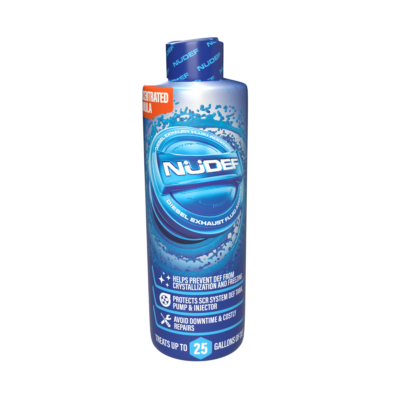
NüDef’s wholesale distribution program is built for exactly this. Each bottle treats 25 gallons per bottle, and at fleet scale, the economics work for both the operator and the distributor. We’re actively expanding Southeast territory — Georgia, Florida, and Alabama represent some of the highest-growth wholesale opportunities in our network.
For independent distributors, truck service centers, and fleet management companies in the Southeast, this is a market timing play. The freight is growing. The fleets are expanding. The DEF demand curve follows directly behind. Getting positioned as the regional DEF treatment supplier now — while the market is still building — means capturing recurring wholesale volume that scales with port throughput and fleet growth.
Online ordering is available at nudef.com for immediate needs, but the real opportunity in the Southeast is wholesale distribution territory.
The Growth Curve Isn’t Flattening
The Southeast logistics market isn’t slowing down. Savannah’s seventh berth is under construction. Jacksonville’s port modernization is ongoing. Alabama’s manufacturing sector continues to attract new plants and suppliers. Atlanta’s distribution footprint grows every quarter.
These aren’t speculative investments — they’re responses to demand that already exists and is still climbing. The infrastructure buildout happening across the Southeast right now will support even higher freight volumes within the next five years. Every new warehouse, every port expansion, every manufacturing plant that breaks ground adds more diesel trucks to the regional fleet count.
For fleet operators already running in the Southeast, the question isn’t whether you need a DEF treatment strategy — it’s whether your current approach can scale with your growth. A fleet that’s running 30 trucks today and planning for 50 within two years needs a DEF management protocol that works at both scales without adding complexity.
For distributors and service providers, the window is open. Southeast territory for DEF treatment products is available now, before the market fully matures. The fleets are here. The demand is real. And the growth trajectory matches the container counts coming through Savannah, Jacksonville, and Mobile.
Your fleet’s DEF treatment strategy should match the pace of this market. Consistent, preventive treatment across every truck in your operation isn’t a cost center — it’s what keeps revenue-generating assets on the road in a region where there’s more freight available than there are trucks to haul it.