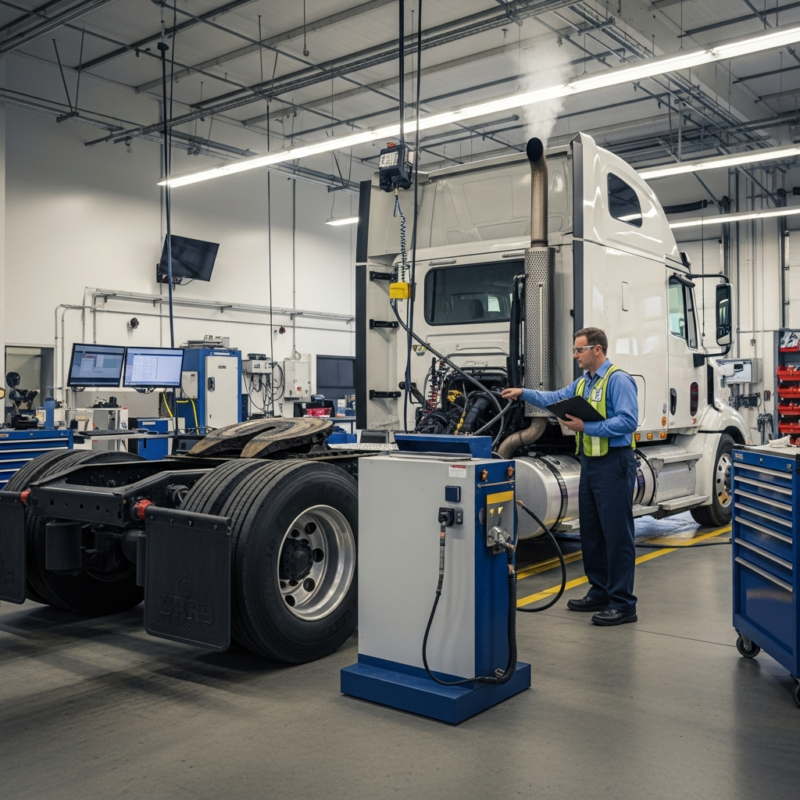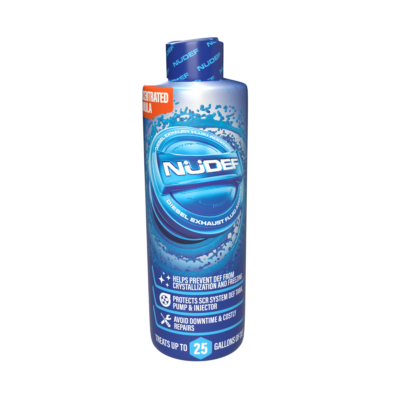
July 2026 update: California’s Clean Truck Check (HD Inspection & Maintenance) enforcement is in full swing, and roadside NOx screening is catching degraded DEF before a driver ever sees a dash light. The surest way to keep a P20EE or P207F from turning into a citation is fluid that doesn’t drift out of spec between fills — NüDef stabilizer holds DEF in spec tank-side. Running lanes outside California too? See our Texas and Southeast fleet guides.
CARB isn’t sending warnings anymore — they’re sending citations. If your SCR system flagged a P20EE or P207F during an HD I/M roadside check last month, the fine started at $1,000 per truck before you even picked up the phone. We’re hearing from fleet managers in Long Beach and Stockton who got hit with $14,000 in a single afternoon because three trucks had degraded DEF tripping NOx fault codes. That’s not a maintenance problem. That’s a cash-flow emergency.
For fleet operators running drayage out of Long Beach, hauling produce through the Central Valley, or making last-mile deliveries across the LA basin, DEF quality isn’t just a maintenance issue. It’s a regulatory one. NüDef DEF Additive keeps your SCR system compliant by preventing the DEF degradation that triggers faults in the first place. And we supply it at wholesale volume for California fleets buying by the pallet.
California’s Unique Emissions Landscape
No state regulates diesel emissions like California. CARB doesn’t just follow EPA standards — it sets its own, and they’re stricter across the board. If you operate diesel equipment in California, you’re subject to a regulatory framework that has no equivalent anywhere else in the country.
CARB vs. EPA: Two Different Standards
The EPA sets federal emissions standards. CARB exceeds them. California’s authority to set its own vehicle emissions standards dates back to the Clean Air Act waiver, and the state has used that authority aggressively. For heavy-duty diesel operators, this means meeting California-specific requirements on top of federal ones. Your truck might be federally compliant and still fail a CARB inspection.
The HD I/M Program
CARB’s Heavy-Duty Inspection and Maintenance program is the enforcement mechanism that changed everything. It requires periodic emissions testing for heavy-duty vehicles operating in California — including out-of-state trucks. The program checks OBD systems for active fault codes, verifies emissions control functionality, and can flag trucks with SCR-related issues that indicate elevated NOx output.
Here’s what matters for your fleet: a truck with degraded DEF running through its SCR system will eventually throw fault codes. Those fault codes show up during HD I/M testing. A failed test means your truck can’t legally operate in California until the issue is resolved. That’s not a suggestion. It’s an enforcement action.
The Truck and Bus Regulation
California’s Truck and Bus Regulation requires that nearly all diesel trucks and buses operating in the state meet 2010 or newer engine standards. That means every truck in your fleet has an SCR system. Every SCR system depends on DEF quality to function. The regulation doesn’t give you a workaround — you can’t run older equipment without aftertreatment. You have to maintain the systems you’ve got.
Advanced Clean Fleets Rule
CARB’s Advanced Clean Fleets rule is pushing the transition to zero-emission vehicles, but the timeline extends through 2042 for full implementation. Until then, diesel trucks with SCR systems will be the backbone of California freight. That’s over fifteen years of fleets needing to keep DEF systems operational and CARB-compliant. The trucks running today aren’t going away overnight, and neither are the compliance requirements attached to them.
How DEF Quality Directly Affects CARB Compliance
The chain is straightforward. Degraded DEF leads to a malfunctioning SCR system. A malfunctioning SCR system produces elevated NOx. Elevated NOx is exactly what CARB’s enforcement programs are designed to catch.
DEF degrades when it’s exposed to heat, contamination, or extended storage. The urea concentration drops below the 32.5% specification that SCR systems are calibrated for. When the dosing module detects off-spec fluid, the truck’s ECM logs a fault. Enough faults trigger a derate. And a truck in derate — or carrying active emissions fault codes — won’t pass an HD I/M inspection.
This isn’t theoretical. It’s happening to California fleets right now. Trucks sitting in container yards at the port, idling in LA traffic, or parked overnight in Bakersfield during summer are all cooking their DEF. The fluid breaks down, the SCR system can’t convert NOx properly, and the truck becomes a compliance liability.
For a detailed look at the science behind this process, see our guide on what causes DEF crystallization. For the specific fault codes your technicians will encounter, we’ve broken those down at DEF trouble codes explained.
Port of Long Beach and Oakland: Drayage Fleet Reality
Port drayage is the hardest operating environment for DEF systems in California. It combines every factor that destroys DEF quality into one relentless daily cycle.
The Long Beach/LA Port Complex
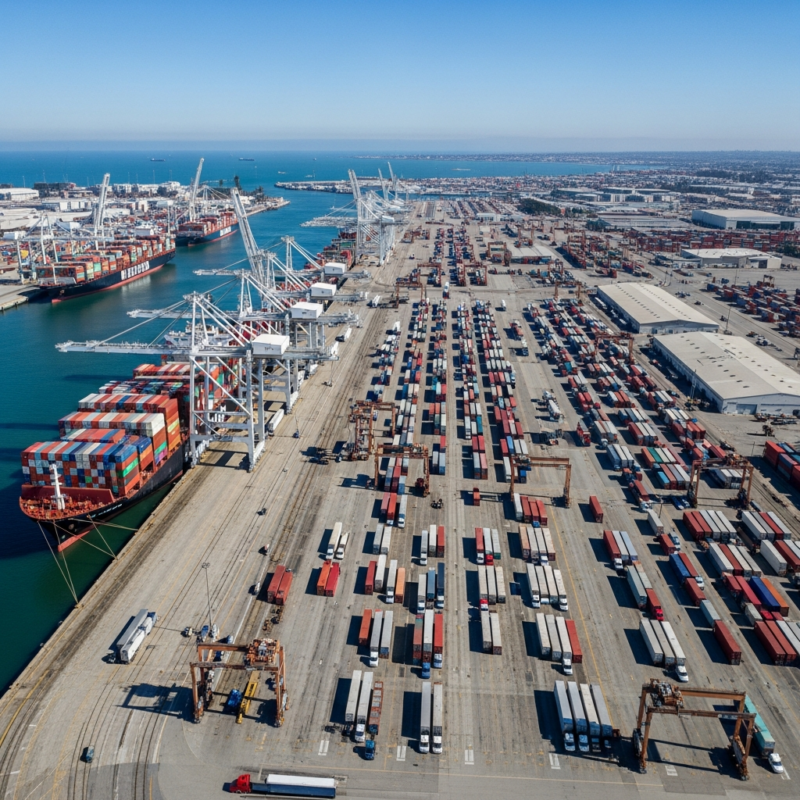
The San Pedro Bay port complex — Long Beach and Los Angeles combined — handles roughly 40% of all containerized cargo entering the United States. That volume requires thousands of drayage trucks running short, repetitive loops between terminals, rail yards, chassis depots, and distribution centers across the Inland Empire.
These trucks don’t cruise at highway speed where airflow cools the DEF tank. They idle. They idle in terminal queues waiting for container pickup. They idle on the 710 in stop-and-go traffic. They idle at distribution centers in Ontario and Riverside waiting for dock assignments. During summer, ambient temperatures in the port area hit 90°F or higher, and the DEF tank is absorbing engine heat, exhaust heat, and solar radiation simultaneously.
Container yard conditions are brutal. No shade. Concrete and asphalt reflecting heat from every direction. A truck that enters a terminal queue at 7 AM might not clear until 10 AM — three hours of idle time with DEF slowly cooking.
Oakland and Northern California Ports
Oakland’s port handles a significant share of Northern California cargo and faces its own drayage challenges. While temperatures are milder than Long Beach, the operational pattern is identical: short hauls, extended idle, and trucks that never reach the sustained highway speeds that would help cool DEF tanks. The fleet operating here still needs compliant SCR systems, and CARB’s enforcement applies equally.
Drayage-Specific CARB Requirements
CARB’s drayage truck regulations require that all trucks accessing California ports and rail yards meet 2010 or newer engine standards. There are no exceptions. The Drayage Truck Registry tracks every truck, and terminal operators verify compliance before granting access. A truck with active emissions fault codes risks losing its drayage registration — which means it can’t enter the port at all.
For drayage operators, DEF quality isn’t a nice-to-have. It’s an access requirement. Lose SCR compliance, and you lose your ability to work the port.
Central Valley Agricultural Fleet Operations
California’s Central Valley produces more agricultural output than most entire states. Almonds, citrus, grapes, stone fruit, dairy, row crops — all of it depends on diesel-powered equipment that now runs Tier 4 Final engines with SCR aftertreatment.
Almond and Tree Nut Operations
California grows over 80% of the world’s almonds. The harvest cycle runs August through October — peak heat months in the Central Valley where Fresno, Bakersfield, and Merced routinely exceed 100°F. Shaker trucks, sweepers, and harvest carts all run modern diesel engines. These machines work long days in extreme dust and heat, then sit idle between operations with DEF degrading in the tank.
Citrus and Grape Operations
Citrus operations in Tulare and Kern counties and grape operations across Napa, Sonoma, San Joaquin, and Madera counties all use Tier 4 equipment. Vineyard tractors, sprayers, and transport trucks accumulate DEF degradation during the growing season. A sprayer that sits for two weeks between applications in July has DEF that’s been cooking the entire time.
The San Joaquin Valley Air Pollution Control District
The San Joaquin Valley APCD operates some of the strictest air quality regulations in the nation — separate from and in addition to CARB requirements. Agricultural equipment operators in the Valley face emissions compliance pressure from multiple regulatory bodies simultaneously. Keeping SCR systems functional through proper DEF maintenance isn’t just good practice. It’s a regulatory necessity that directly affects your ability to operate.
LA Basin Delivery and Last-Mile Fleet Density
Greater Los Angeles has the highest concentration of delivery and last-mile diesel vehicles in the country. Food distribution, building materials, e-commerce fulfillment, beverage delivery — every one of these segments runs trucks with SCR systems through the worst traffic in the nation.
LA traffic means constant stop-and-go. Trucks running the 405, the 5, the 10, and surface streets across the basin spend more time idling than moving during peak hours. Engine compartment temperatures stay elevated. DEF tanks never cool down. A delivery truck making 15 stops across the basin in a single shift has its DEF heat-stressed for the entire route.
The South Coast Air Quality Management District adds another layer of enforcement for the LA basin specifically. Fleet operators here deal with CARB statewide requirements plus SCAQMD local rules. There’s no room for equipment that isn’t emissions-compliant.
Fleet density compounds the problem. When you’re running 50 or 100 delivery trucks out of a yard in Vernon or Commerce, one DEF-related fault code isn’t an isolated incident — it’s a pattern that’ll repeat across the fleet because every truck faces the same conditions. Treating DEF fleet-wide eliminates the problem at the source rather than chasing individual trucks through the shop.
Prevention Through DEF Treatment
NüDef DEF Additive stabilizes the urea in diesel exhaust fluid and prevents the degradation that leads to SCR system failures. One bottle treats 25 gallons per bottle. Add it at every fill, and the DEF maintains its chemical integrity through the heat, idle time, and storage conditions that California operations demand.
For California fleets, the value proposition goes beyond preventing repair costs. It’s about maintaining regulatory compliance. A fleet running treated DEF has SCR systems that function as designed, NOx conversion rates that meet spec, and trucks that pass HD I/M testing without surprises.
The treatment protocol is simple: add NüDef when you add DEF. For fleets treating bulk DEF storage, one dose per container protects every vehicle that fills from it. For a full walkthrough on cleaning out existing contamination, see our guide on how to clean a DEF tank.
NüDef’s products are ISO 22241 compatible and safe for all SCR systems. They don’t alter DEF chemistry — they stabilize it. Your aftertreatment warranty isn’t affected.
Wholesale Availability for California Fleets
California fleet operators buy NüDef by the case and by the pallet. Port drayage operations at Long Beach, agricultural fleets in the Central Valley, and delivery operations across the LA basin all qualify for wholesale pricing through our distributor program.
We ship pallets direct to fleet yards, maintenance facilities, and distribution centers anywhere in California. Whether you’re running 20 drayage trucks out of Wilmington or 200 ag vehicles across Kern County, the wholesale program scales to your operation.
For fleets looking at how other states handle regional DEF challenges, our Texas guide covers a different climate profile with similar fleet-scale solutions.
NüDef is also available online at nudef.com for individual purchases.
Frequently Asked Questions
What is California’s HD I/M program and how does it affect my fleet?
CARB’s Heavy-Duty Inspection and Maintenance program requires periodic emissions testing for heavy-duty diesel vehicles operating in California — including trucks registered out of state. The program checks OBD systems for active fault codes and verifies that emissions controls are functional. Trucks that fail can’t legally operate in California until the issues are corrected. For fleets, this means SCR system health isn’t optional — it’s a condition of operation.
Can I use DEF additive on trucks that operate under CARB regulations?
Yes. NüDef is ISO 22241 compatible and doesn’t alter the chemical composition of DEF beyond stabilizing the urea concentration. It prevents degradation — it doesn’t add foreign compounds to the fluid. CARB requires that SCR systems function properly. NüDef helps ensure that the DEF feeding those systems stays within specification.
Does degraded DEF actually cause CARB compliance failures?
It does. When DEF degrades below the 32.5% urea concentration spec, the SCR system can’t convert NOx at the required rate. The truck’s ECM logs fault codes related to SCR efficiency and DEF quality. Those fault codes are exactly what the HD I/M program checks for. Degraded DEF is a direct path to a failed emissions inspection.
How do drayage fleets at Long Beach protect their DEF systems?
Drayage operations face extreme idle times and heat exposure in container terminals. The most effective approach is treating DEF with a stabilizer at every fill to prevent degradation before it starts. Some operators also insulate DEF tanks and schedule fills to minimize the time degraded fluid sits in the system. But treating the DEF itself is the only method that addresses the root cause.
Is NüDef available at wholesale for California agricultural operations?
Yes. We supply Central Valley agricultural operations, dairy fleets, and tree nut harvest operations at wholesale volume. Pallet quantities ship direct to your facility. Contact us through the wholesale program page for California agricultural fleet pricing.
What CARB regulations apply to agricultural diesel equipment in California?
Tier 4 Final agricultural equipment with SCR systems must meet CARB’s off-road diesel engine standards. The San Joaquin Valley APCD imposes additional requirements in the Central Valley. Equipment that fails to meet emissions standards faces operational restrictions. Maintaining DEF quality is one component of keeping Tier 4 equipment in compliance with both statewide CARB rules and regional air district requirements.
California fleet operators — contact us for wholesale volume pricing. We ship pallets direct to port drayage yards, Central Valley agricultural operations, and LA basin delivery facilities. Visit our wholesale program page or go directly to our product page to get started.