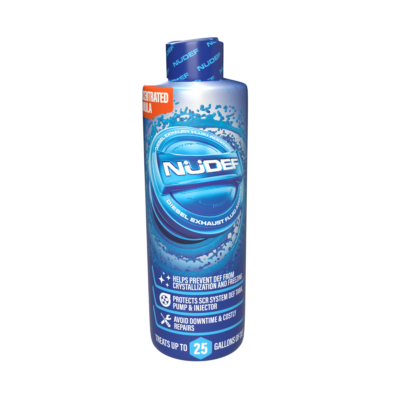
July 2026 update: Texas summer is peak DEF-failure season — sustained 100°F-plus heat drives urea crystallization in tanks, lines, and injectors faster than any other time of year. Fleets working I-10 and the Permian right now should treat every fill: NüDef stabilizer slows heat-driven crystallization and protects stored DEF through the worst of it. Operating beyond Texas? See our California and Midwest guides.
Texas moves more freight tonnage than any other state in the country. Over 1.6 billion tons per year cross the state on I-10, I-35, I-20, and I-45 alone. Every one of those diesel trucks burns DEF. And every one of those trucks runs through heat that destroys DEF quality faster than anywhere else in the lower 48.
If you manage a fleet based in Texas, operate a truck stop along a major Texas corridor, or run oilfield equipment out of Midland-Odessa, you already know how fast DEF problems can stack up. NüDef DEF Additive is built for exactly this environment — and we supply it at wholesale volume for distributors, truck stops, and fleet operations across the state.
Why Texas Fleets Burn Through DEF Faster Than Anyone
DEF starts breaking down at 86°F. In Dallas, the average high from June through September stays above 95°F. Houston pushes 97°F with humidity that traps radiant heat in engine compartments. In the Permian Basin, triple-digit days start hitting regularly in June and don’t let up until October.
So DEF stored in side-mounted tanks on class 8 trucks is cooking for five to six months of the year. The urea in standard DEF breaks down into ammonia gas, concentration drops below the 32.5% spec, and the truck’s SCR system reads it as contaminated fluid. What follows is a familiar cascade: check engine lights, derates, and forced idle.
NüDef stabilizes the urea and stops it from breaking down — even when the tank is cooking well past 86°F. One treatment protects a full DEF tank for months, even through a West Texas summer. For fleets that are tired of replacing DEF mid-route between El Paso and San Antonio, that changes the math entirely.
Texas Freight Corridors: Where DEF Problems Hit Hardest
I-35: The NAFTA Spine
I-35 is the single busiest NAFTA freight corridor in North America. It runs from the Laredo border crossing — the largest inland port in the Western Hemisphere — straight through San Antonio, Austin, Waco, DFW, and on to Oklahoma. Over 16,000 trucks per day cross the Laredo port of entry. Many of those rigs sit in customs inspection lines for hours with engines idling, DEF tanks baking in South Texas sun that regularly hits 105°F.
Cross-border carriers running Laredo to Dallas or Laredo to Oklahoma City are putting 500+ miles on DEF that has already been heat-stressed during the border wait. NüDef-treated DEF holds its chemical integrity through that entire cycle. Regional LTL carriers on the I-35 corridor between San Antonio and DFW see the same problem on a shorter loop — constant stop-and-go, idle time in loading docks with no shade, and DEF that degrades faster than the maintenance schedule accounts for.
If you’re running through the DFW area, Gebo’s in McKinney stocks NüDef for North Texas fleets — easy to grab on your way through without detouring off your route. For fleets further south on the corridor, NüDef ships direct from nudef.com to any Texas address.
I-10: Coast to Coast Through the Desert
I-10 crosses Texas from the Louisiana border at Beaumont to the New Mexico line past El Paso — 880 miles of some of the hottest pavement in the US. The stretch from San Antonio to El Paso is roughly 550 miles with limited services and ambient temperatures that push 110°F at road surface level during summer.
One NüDef treatment per fill costs less than a single roadside service call west of the Pecos — and that’s the math long-haul carriers on I-10 need to understand. You can’t afford a derate in the middle of that stretch. There’s no easy recovery between Van Horn and Fort Stockton. A DEF quality fault out there means a tow, not a quick truck stop fix. Treat every fill before you leave San Antonio heading west.
I-20: Permian Basin Oilfield Traffic
I-20 between Abilene and Odessa carries a massive volume of oilfield service traffic. Frac sand haulers, water trucks, hot shot rigs, wireline units — they all run modern diesels with SCR systems now. These trucks operate in extreme dust and heat, on unpaved lease roads where DEF cap seals fail and contamination gets into the tank.
Oilfield operators in the Permian Basin run equipment hard — 16- to 20-hour days during completions. Downtime for a DEF fault means a crew standing around while a truck sits derated on location. Heavy equipment DEF maintenance isn’t optional out here. One completions supervisor near Midland told us he lost two trucks to DEF derates in the same week last July — both on lease roads with no cell service. After that, every truck in the fleet got treated at every fill.
NüDef’s on the shelf at Gebo’s in Andrews and Snyder — both within easy reach of Permian Basin operations. Gebo’s in Abilene covers the eastern side of the I-20 corridor, and Gebo’s in Breckenridge has you covered if you’re running rigs between Abilene and the Barnett Shale. Just across the state line, Gebo’s in Lovington, NM is another option for crews working the New Mexico side of the Permian. Full store list at nudef.com/find-in-store.
I-45 and Houston Port Drayage
The Port of Houston handles over 250 million tons of cargo annually, making it one of the busiest in the country. That volume creates a massive drayage fleet — thousands of trucks running short loops between the port terminals, rail yards, and distribution centers in Baytown, La Porte, and Pasadena.
Port drayage is the worst possible grind for DEF. Short trips, constant idling in terminal queues, and Houston’s combination of 97°F heat with 80% humidity. These trucks never cool down. Drayage fleets in Houston that treat their DEF with NüDef report significantly fewer SCR-related fault codes and almost zero crystallization issues, even running through August and September.
Texas Agricultural Fleets: Panhandle to Rio Grande Valley
Tens of thousands of diesel-powered vehicles work fields across Texas, from the Panhandle down through the Winter Garden region to the Rio Grande Valley.
Modern agricultural sprayers, grain trucks, cotton module haulers, and cattle hauling rigs all run Tier 4 Final engines with DEF systems. These machines work in extreme heat, extreme dust, and often sit idle for weeks between use — which means DEF sitting in tanks degrading the entire time.
Cattle operations running trucks between feedlots in the Panhandle (Amarillo, Hereford, Dalhart) and processing facilities deal with DEF quality issues every summer. Same goes for produce haulers in the Valley running reefer trailers from McAllen and Brownsville north to San Antonio and Dallas. The reefer unit runs diesel with its own DEF system, exposed to the same heat as the tractor’s tank.
NüDef’s on the shelf at both Gebo’s locations in Amarillo — Canyon Drive on the south side and East 3rd on the north — plus Gebo’s in Dalhart, Hereford, Pampa, and Perryton. That covers the entire Panhandle cattle corridor. Down in the Lubbock area, the two Lubbock Gebo’s carry it, along with Gebo’s in Plainview, Levelland, Littlefield, and Post. If you’re running ag equipment anywhere in the South Plains or Panhandle, there’s a Gebo’s with NüDef within a short drive. Just across the state line, Gebo’s in Clovis, NM stocks it too.
NüDef works in agricultural equipment exactly the same way it works in over-the-road trucks. One treatment per fill, same dosage, same protection. Fleet program pricing makes it practical to treat every piece of diesel equipment on the operation.
Don’t see a store near you? NüDef ships direct from nudef.com to anywhere in Texas. Check the store locator for the latest retail locations.
Truck Stop Operators: NüDef as a Retail Product
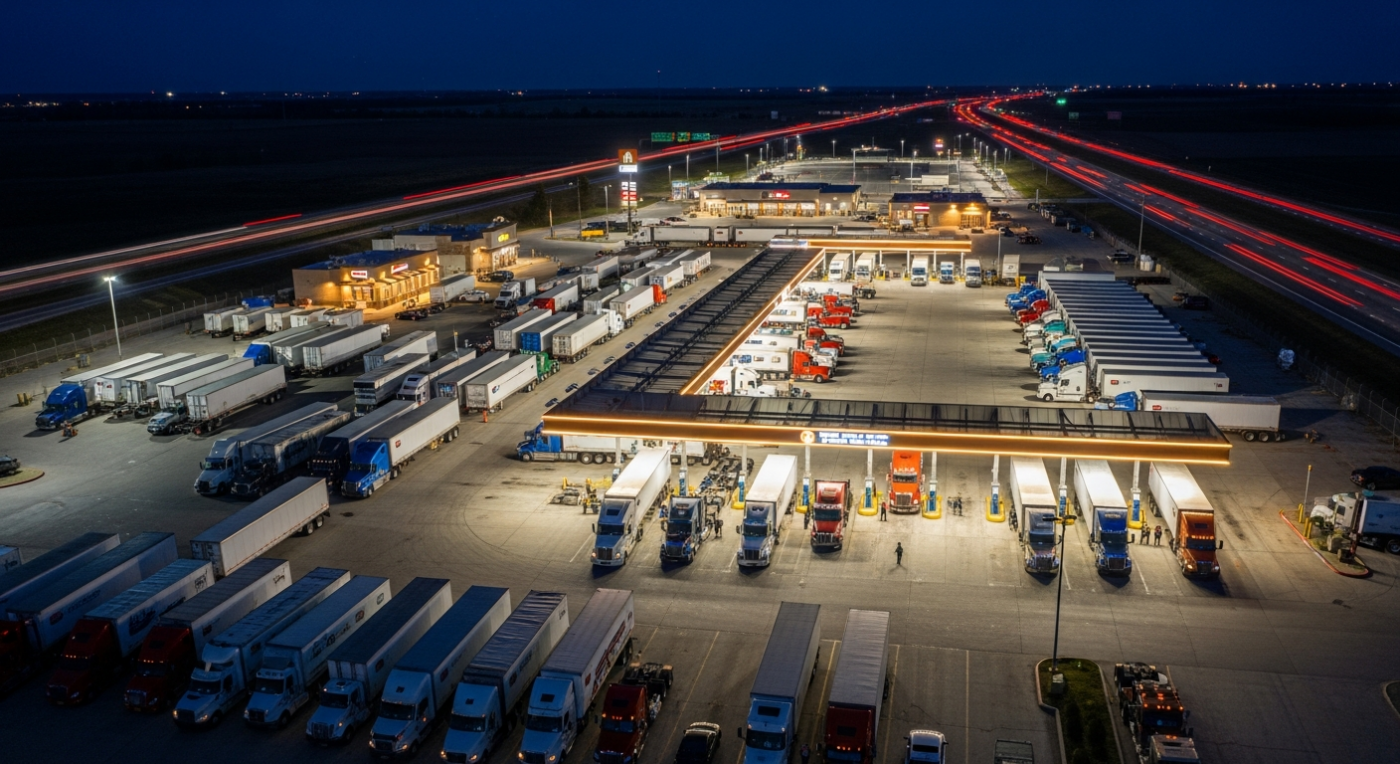
Texas has more truck stops and travel centers than any other state. That tracks with the freight volume — more trucks means more fuel stops, more DEF purchases, and more drivers dealing with DEF problems on the road.
If you run a truck stop or travel center in Texas, you’re already selling DEF by the jug and by the gallon at the pump. NüDef DEF Additive is a high-margin add-on product that sits right next to the DEF display. Drivers who’ve dealt with a DEF derate — and in Texas, that’s a lot of drivers — will buy it without hesitation.
Here’s the pitch: treat your DEF now, or risk a derate between here and your destination. On I-10 westbound from San Antonio, that’s a very persuasive argument. Same goes for truck stops along I-35 south of San Antonio toward Laredo, I-20 in the oilfield corridor, and I-45 between Houston and Dallas.
We offer wholesale case and pallet pricing for truck stop retailers. No minimum order commitments, no franchise fees. You buy at wholesale, you sell at retail, and the margin is yours. Learn more about the NüDef wholesale distributor program.
Wholesale and Fleet Volume for Texas Operations
Most of our Texas volume moves in cases and pallets to fleet maintenance shops, truck stop chains, oilfield service companies, and agricultural co-ops.
Fleet Maintenance Integration
Fleets based out of DFW, Houston, San Antonio, and El Paso integrate NüDef into their standard PM routine. Every oil change, every B-service, every DEF fill gets a treatment. This eliminates guesswork about DEF quality and prevents the crystallization buildup that leads to injector failures and SCR catalyst damage.
For a 50-truck fleet in Houston running regional routes, the math is simple. One DEF-related derate costs $2,000 to $5,000+ in tow charges, lost productivity, and repair labor. One NüDef treatment per fill costs a fraction of that. Multiply by 50 trucks and 12 months, and the savings are obvious.
Distributor Opportunities
We’re building distributor relationships across Texas. Auto parts distributors, truck parts wholesalers, petroleum distributors, and DEF suppliers — if you already have accounts at truck stops, fleet shops, or dealerships, NüDef fits into your existing catalog and delivery routes.
Demand is built into the geography and the climate. You don’t have to convince a fleet manager in Midland that DEF quality is a problem. They already know. You just have to show them the solution exists.
Laredo and the Border Crossing Fleet
Laredo deserves its own section. Over $260 billion in trade crosses the Laredo port of entry annually. The four international bridges handle roughly 5,000 commercial truck crossings per day.
The problem: trucks waiting to cross — both northbound and southbound — sit in queues that can run one to four hours during peak periods. Engines idle the entire time. In summer, ambient temperatures in Laredo exceed 100°F for weeks straight. The DEF tank is absorbing heat from the engine, the exhaust system, and the sun simultaneously.
By the time a truck clears customs and hits I-35 northbound, the DEF has been through hours of thermal stress that wouldn’t happen on the open road at highway speed with airflow over the tank. That’s why Laredo-based carriers and cross-border 3PLs see DEF quality faults at a rate well above the national average.
NüDef-treated DEF handles the border crossing routine, preventing the thermal decomposition that happens during extended idle in extreme heat. For carriers running Laredo daily, treating DEF at every fill is cheap insurance against a derate that delays a time-sensitive cross-border load.
Summer Storage: Protecting Bulk DEF Inventory in Texas
Many Texas fleet operations and truck stops store DEF in bulk — 275-gallon totes or 330-gallon IBCs sitting on the yard. Even with shade structures, those containers absorb heat all summer. A black IBC sitting in an Odessa yard in July is well above 100°F internally.
NüDef can be added to bulk DEF storage at the same ratio as individual tank treatment. For truck stops selling DEF by the gallon from a bulk tank, this means the product you pump maintains spec-grade quality even after sitting in storage through a Texas summer.
Fleet shops that buy DEF by the tote can treat the entire container on delivery. Every fill from that tote is already protected — no extra steps at the truck, no reliance on individual drivers to add treatment.
Frequently Asked Questions
Where can I buy DEF additive in Texas?
NüDef is on the shelf at 18 Gebo’s locations across Texas — from Amarillo and Lubbock in the Panhandle to Andrews in the Permian Basin to McKinney in DFW. It’s also available online at nudef.com with shipping across the state. For wholesale and pallet quantities, contact us through our wholesale distributor program. We supply truck stops, fleet shops, auto parts stores, and oilfield service companies statewide. Find your nearest retailer at nudef.com/find-in-store.
Does DEF go bad in Texas heat?
Yes. DEF begins degrading above 86°F, and Texas sees temperatures well above that threshold from May through October in most of the state. In South Texas, West Texas, and the Gulf Coast, DEF stored in vehicle tanks or bulk containers routinely exceeds 100°F. At those temperatures, the urea concentration drops and ammonia off-gasses, leading to out-of-spec fluid that triggers SCR faults.
How do Texas fleets prevent DEF crystallization?
The most effective method is treating DEF with a stabilizer additive like NüDef at every fill. This prevents urea decomposition and inhibits crystal formation in the DEF injector nozzle and SCR catalyst. Fleets also benefit from shaded parking, insulated DEF tanks, and rotating bulk DEF inventory. But additive treatment is the only approach that protects the fluid itself from thermal breakdown.
Can truck stops in Texas sell DEF additive?
Absolutely. NüDef offers wholesale pricing for truck stop retailers. DEF additive is a natural companion product to DEF jugs and DEF pump stations. Drivers dealing with DEF warning lights or trying to prevent problems on long Texas runs are a motivated buyer. It doesn’t take up much shelf space, the margin is solid, and drivers come back for more.
What is the best DEF additive for Texas summers?
NüDef is built to stop exactly this — DEF cooking itself to death in the summer heat. Unlike generic fuel system additives, NüDef is designed exclusively for diesel exhaust fluid and is safe for all SCR systems. It stabilizes urea concentration and prevents crystallization even at sustained temperatures above 100°F.
Do oilfield trucks need DEF additive?
Oilfield trucks in the Permian Basin, Eagle Ford, and Haynesville regions operate in some of the harshest conditions for DEF systems: extreme heat, heavy dust, long idle times, and high utilization rates. DEF quality faults cause expensive downtime during drilling and completions operations. Treating DEF with NüDef at every fill prevents those faults and keeps heavy equipment SCR systems running clean.
Texas distributors and truck stop operators — contact us for wholesale volume pricing. We ship pallets direct anywhere in the state. Running a 200-truck fleet in Houston? Stocking a travel center on I-10? Keeping oilfield rigs going in the Permian? We’ve got the product and the pricing. Visit our wholesale program page or fleet program page to get started.