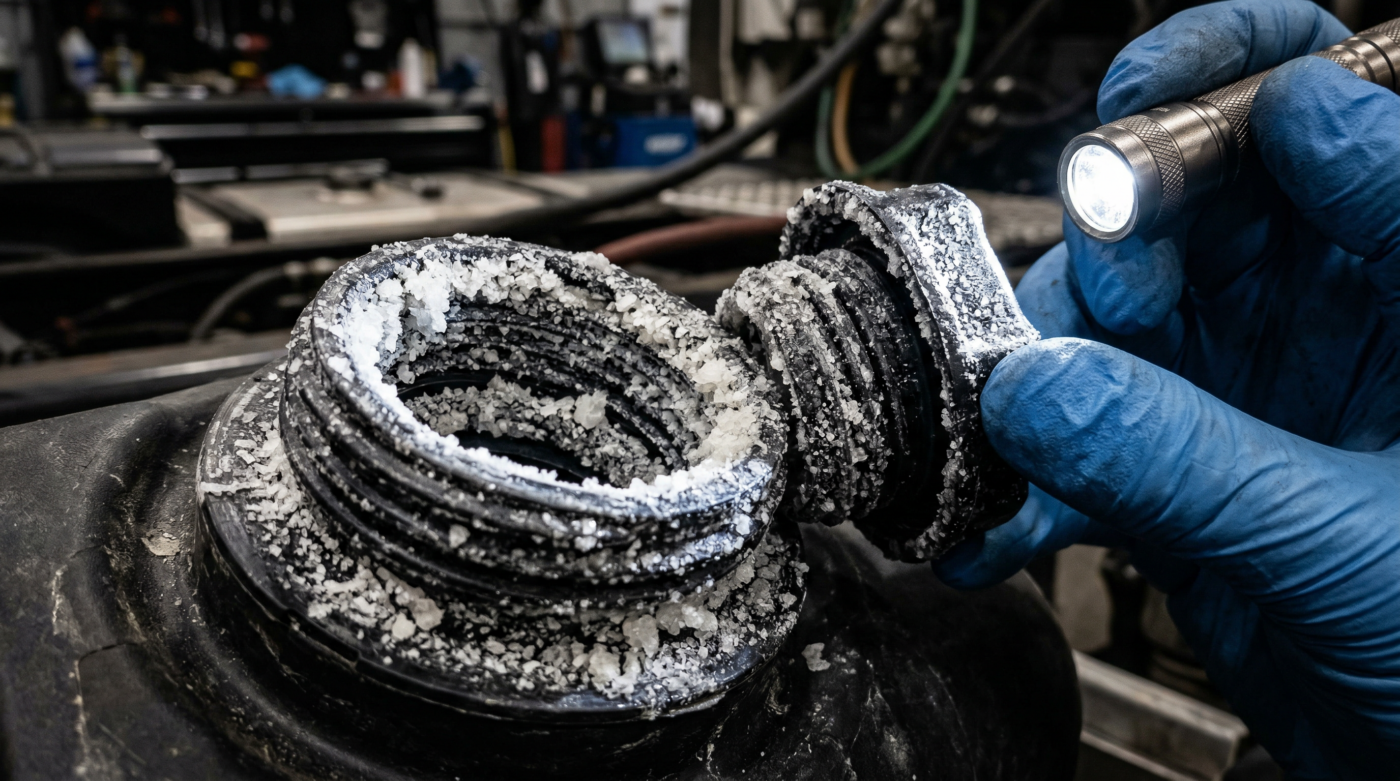
DEF crystallizes when the urea in diesel exhaust fluid evaporates, concentrates, and precipitates out of solution as solid ammonium compounds. The three primary causes are heat-driven evaporation, freeze-thaw cycling, and static storage in partially filled tanks. The result is white crystalline deposits that clog DEF dosing injectors, restrict flow, and trigger fault codes including P207F and P20EE, the most common DEF-related derate codes on modern diesel trucks.
What DEF Crystallization Actually Is
Diesel exhaust fluid is a precise mixture of 32.5% high-purity urea and 67.5% deionized water, calibrated to ISO 22241 specification. That ratio is not arbitrary. It is the eutectic point, the exact concentration at which DEF has the lowest possible freeze point while maintaining optimal SCR conversion chemistry.
When DEF loses water through evaporation, the urea concentration rises above 32.5%. At higher concentrations, urea molecules begin bonding to available surfaces: tank walls, supply lines, pump screens, and most critically, the dosing injector nozzle. What starts as microscopic surface nucleation becomes visible white crystal deposits over days and weeks. The deposits are primarily ammonium carbonate and ammonium bicarbonate, the same family of compounds as commercial descaling products, but in the wrong place entirely.
A completely sealed, full tank of fresh DEF at stable temperature will not crystallize on its own. DEF crystallization requires a trigger. Understanding those triggers is how you prevent it.
The Main Causes of DEF Crystallization
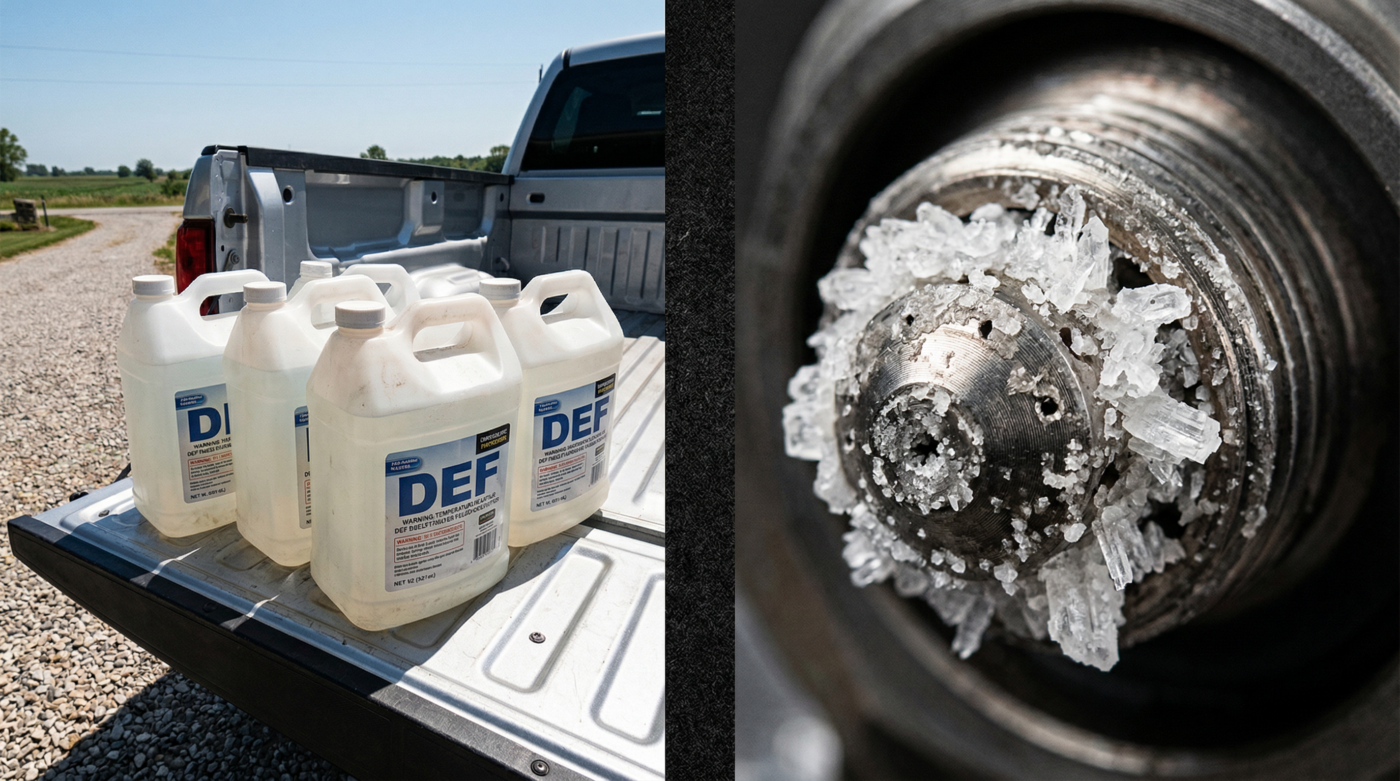
Heat and evaporation. This is the most common cause. DEF stored above 95°F begins degrading; above 120°F, evaporation accelerates sharply. A DEF jug left in a truck bed in direct summer sun can reach 140°F or higher inside. At those temperatures, water evaporates faster than urea, driving the concentration up within hours. Bulk DEF storage tanks at uncovered outdoor fueling islands face the same problem across entire fleets. Every vehicle that fuels from a degraded bulk tank starts each shift with compromised fluid.
Freeze-thaw cycling. DEF freezes at 12°F (-11°C). Unlike most fluids, DEF freezes and thaws uniformly. The eutectic behavior keeps the urea-to-water ratio stable through a single freeze-thaw cycle. The problem is repeated cycling. Each freeze-thaw event subjects the system to pressure stress that can microfracture crystal inhibition in the fluid, and static evaporation between cycles slowly concentrates the urea. Vehicles parked overnight in cold climates during winter experience multiple freeze-thaw events per week.
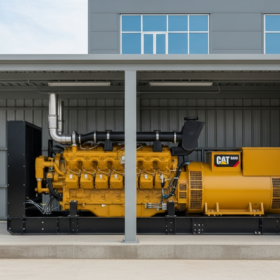
Static storage in partially filled tanks. A partially filled DEF tank has an air gap. DEF exposed to air evaporates slowly but continuously. A tank left at 40% full for three months loses more water than one left at 95% full, both because of the larger air-to-liquid interface and because the smaller fluid volume concentrates faster. This is why seasonal vehicles, including motorhomes, RVs, agricultural equipment, construction machinery, and generators, develop crystallization problems after storage even if the DEF was fresh when they were parked.
Contamination. Tap water, diesel fuel, or other fluids introduced to the DEF tank alter the chemistry in ways that destabilize the urea solution and accelerate precipitation. DEF tanks and handling equipment should only contact distilled or deionized water and ISO 22241 compliant DEF.
Age and degraded DEF. Standard DEF has a 12-month shelf life when stored correctly. Beyond that, the urea itself begins breaking down into ammonia and CO₂. Degraded DEF triggers P207F quality codes independent of crystallization, but degraded DEF also crystallizes faster than fresh DEF because the molecular structure of the urea changes in ways that increase surface precipitation tendency.
Where DEF Crystals Form in the System
Crystals form wherever evaporation concentrates the urea and wherever DEF sits static between uses. The four most common locations are:
Dosing injector nozzle. The most consequential location. After each injection event, a small amount of DEF remains at the nozzle tip and evaporates. Over hundreds of injection cycles, this builds a crystal deposit that gradually restricts flow. A partially clogged injector delivers less reductant than the ECU expects, which registers as a P207F quality performance fault. A fully clogged or stuck injector triggers P20EF.
Filler neck and tank cap. The most visible location. White residue around the DEF cap is the earliest external sign of crystallization. By the time crystals are visible at the cap, deposits inside the dosing system are almost certainly already present.
Pump screen and supply lines. Crystals that form in the tank or break free from injector deposits can lodge in the pump intake screen, restricting flow before the fluid even reaches the injector.
Bulk storage tanks. Fleet bulk tanks that sit partially filled in outdoor locations concentrate DEF across the entire bulk supply. Every vehicle in the fleet is then fueled with pre-concentrated DEF that crystallizes faster in the vehicle systems.
DEF Pump Crystallization: A Distinct Failure Point
DEF pump crystallization is a separate failure mode from injector crystallization, and it requires different attention. The DEF pump sits between the tank and the dosing injector in the fluid circuit. Its job is to pressurize DEF from the tank and deliver it at the correct flow rate and pressure to the injector. When crystals form inside or around the pump, the failure pattern is different from an injector blockage, and misdiagnosing one as the other leads to wasted time and money.
Pump crystallization typically begins at the pump intake screen, a fine mesh filter that prevents particulate from entering the pump mechanism. Crystalline sediment from the DEF tank, or urea that has concentrated in the stagnant fluid around the pump inlet, deposits on this screen and gradually restricts flow. Unlike injector crystallization, which reduces the accuracy of each injection pulse, pump crystallization reduces the total volume of DEF available to the entire downstream system. The result is chronically low DEF pressure, which triggers P20E8 (Reductant Pressure Too Low) rather than the P207F quality codes more commonly associated with injector deposits.
In advanced cases, crystals migrate past the intake screen and deposit inside the pump mechanism itself. DEF pumps use diaphragm or gear-driven designs that are precision-machined to tight tolerances. Crystal deposits inside the pump housing create abrasive wear on moving surfaces, reduce pumping efficiency, and can eventually cause the pump to seize entirely. A seized DEF pump triggers P218F (Reductant No Flow Detected) and requires pump replacement at a cost of $500 to $1,200 depending on the vehicle platform.
Preventing DEF pump crystallization starts with the same principle as preventing injector crystallization: keep the DEF in stable solution so crystals never form. Using an additive for DEF fluid like NüDef at every fill inhibits crystal formation throughout the entire fluid circuit, including the pump intake screen and pump internals. For vehicles already showing low-pressure codes, a complete DEF tank drain and flush combined with NüDef treatment of the fresh fill is the first step before considering pump replacement.
Fault Codes Caused by DEF Crystallization
DEF crystallization is directly responsible for the majority of SCR-related fault codes. The most common:
P207F (Reductant Quality Performance): The ECU measured lower-than-expected NOx reduction, indicating the DEF being injected is either restricted in flow or degraded in quality. Crystallization restricting injector flow is the most common cause. See the full guide to DEF trouble codes explained.
P20EE (SCR Catalyst Efficiency Below Threshold): Extended periods of restricted DEF flow from crystallization can thermally stress the SCR catalyst. P20EE that follows a P207F history almost always traces back to crystallization that was not addressed early enough.
P20EF (Reductant Injection Valve Stuck Open): Crystal deposits that hold the injector valve partially open cause over-injection, which registers as P20EF. This is a hardware code requiring injector inspection.
How to Prevent DEF Crystallization
Preventing DEF crystallization requires addressing its root causes: evaporation, temperature exposure, and static storage.
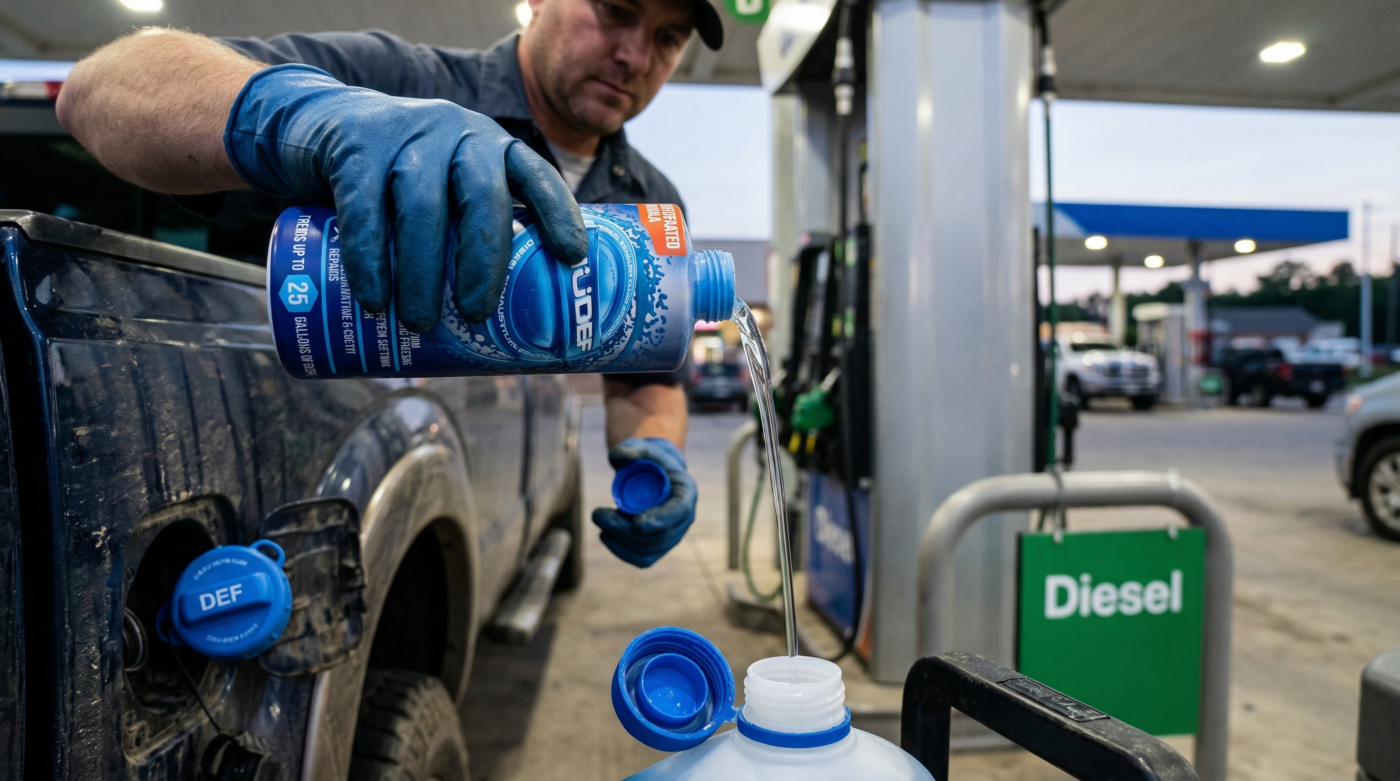
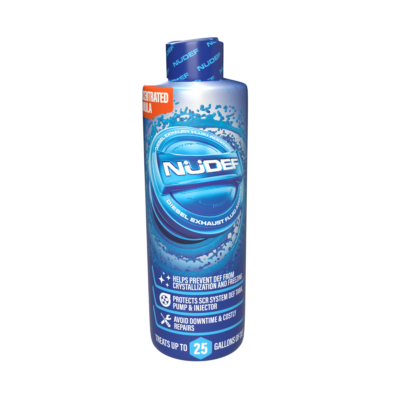
Use NüDef at every fill. NüDef is a DEF stabilizer and crystallization inhibitor formulated specifically around the chemistry of ISO 22241 compliant fluid. It maintains the urea in stable solution, inhibits crystal nucleation on dosing system surfaces, and extends DEF stability through temperature swings and storage periods. One bottle treats up to 25 gallons. Add it at every fill. It is the most direct and cost-effective intervention against crystallization.
Treat before storage. Pre-storage treatment is the single most important dose. Add NüDef before parking a seasonal vehicle, then run the engine for 10 minutes to circulate treated DEF through the dosing system. This protects the fluid through the static evaporation and freeze-thaw cycles of storage.
Store DEF away from heat and direct sunlight. DEF jugs should be stored indoors or in shaded, temperature-stable spaces. For fleet bulk tanks, shading or insulation meaningfully reduces temperature-driven quality loss.
Keep tanks full. A full DEF tank has less air-to-liquid interface and concentrates more slowly than a partially filled one. Top off DEF tanks before parking for extended periods.
Use only distilled water. When rinsing a DEF tank or diluting DEF, use only distilled or deionized water. Tap water minerals catalyze crystallization even in treated fluid.
Replace DEF past its shelf life. Standard DEF has a 12-month shelf life under proper storage conditions. Do not use DEF from containers that smell strongly of ammonia, look cloudy, or are past date. Start fresh. NüDef-treated fresh DEF provides the best baseline for long-term crystallization prevention.