When the Grid Goes Down, DEF Problems Become Life Safety Events
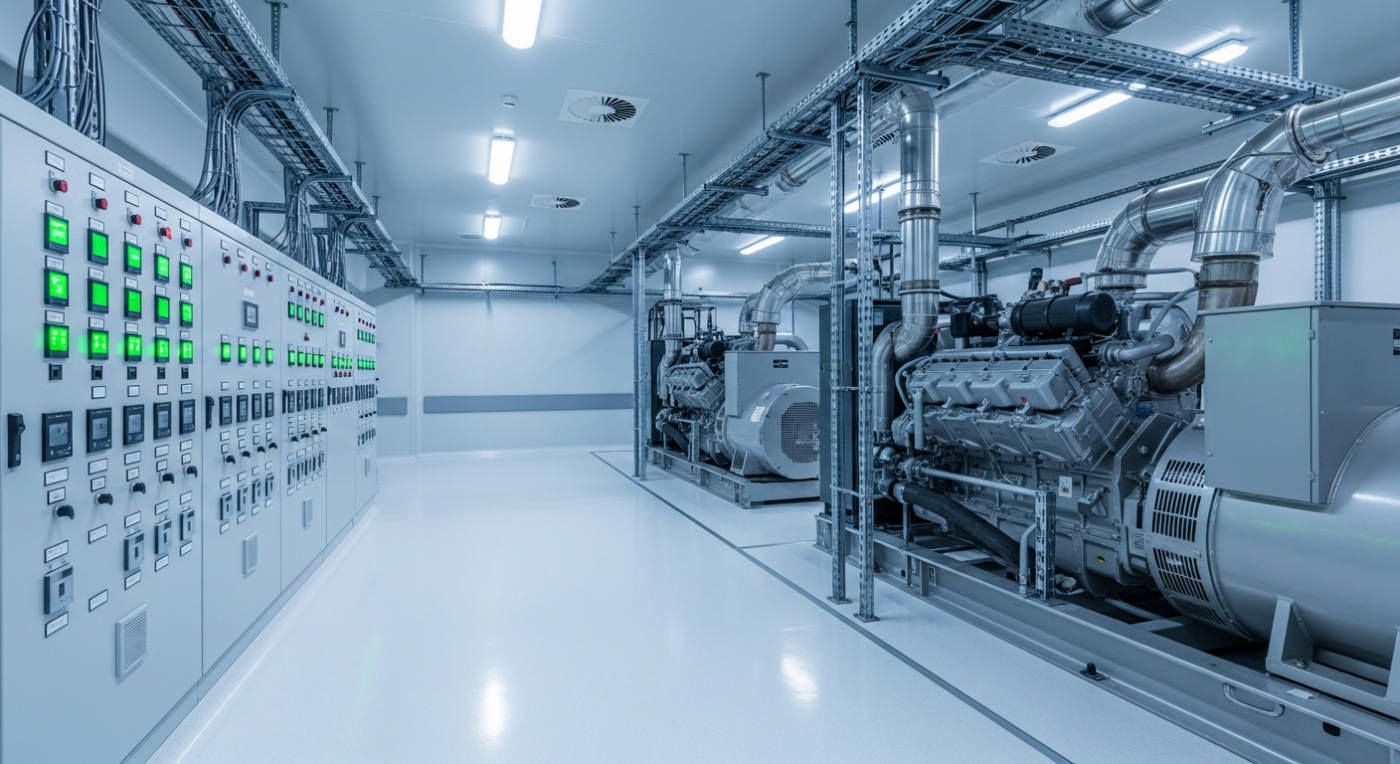
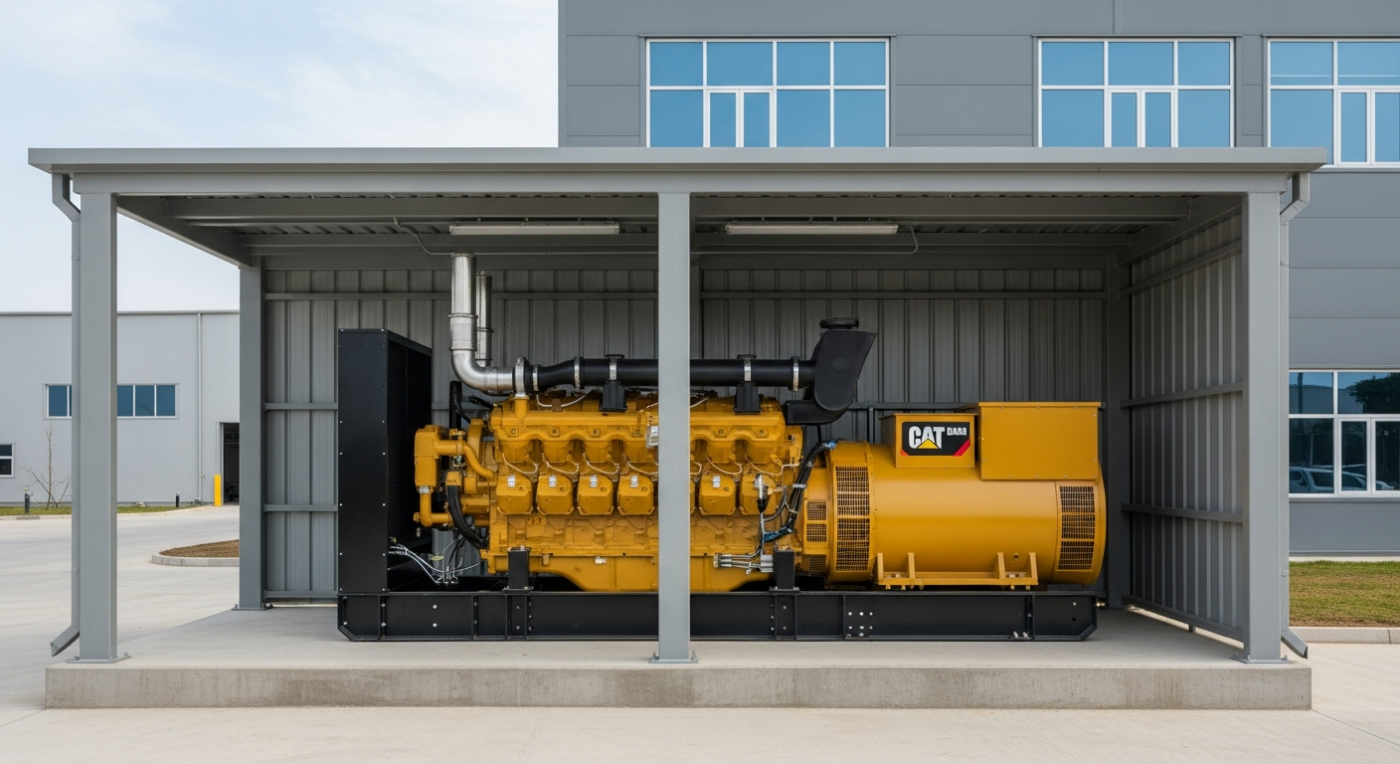
At 2:14 AM the grid went down. The transfer switch fired. And the 2,000 kW Cat behind the hospital sat there with an SCR fault, burning through its 60-second start window while the ICU ran on battery.
That’s not a maintenance ticket. It’s a life safety event — and it started months earlier, when degraded DEF crystallized inside a dosing valve that hadn’t moved since the last monthly exercise.
Under NFPA 110, standby generators must reach rated voltage and frequency within ten seconds of a transfer signal. Ventilators, surgical suites, blood banks, neonatal ICUs — they don’t wait for a technician to troubleshoot a DEF fault code. Every second that generator sits in fault is a second the building runs on stored power that’s draining fast.
Here’s what nobody in power generation talks about enough: standby generators are the worst possible operating environment for Diesel Exhaust Fluid. They sit for weeks or months between starts, DEF degrades in the tank, and then the engine must fire instantly when lives depend on it. This isn’t a trucking problem with a roadside solution. It’s a facility management problem that requires a completely different protocol.
The Standby Generator DEF Problem
Every Tier 4 Final diesel generator above roughly 75 kW uses SCR aftertreatment and consumes DEF. That includes the workhorses of the standby market: Caterpillar C15 and C18 gensets, Cummins QSK and QSX series, Kohler KD series, Generac industrial units, MTU Series 2000 and 4000, and Volvo Penta TAD models.
These engines were designed to run. The SCR system expects continuous exhaust temperatures, steady DEF injection rates, and regular catalyst regeneration cycles. A standby generator violates every one of those assumptions.
During idle periods, DEF sits in the tank, in the supply lines, and in the dosing module. Temperature swings inside a generator enclosure — especially weatherproof or sound-attenuated housings — accelerate DEF degradation and crystallization. On a hot summer day, enclosure temps can hit 140°F even with louvers open. In winter, the same enclosure cycles between freezing and thawing.
The result is a DEF system that may look fine on paper but has compromised fluid throughout. When that emergency start signal comes, the ECM detects DEF quality issues and either derates the engine or — in worst case — prevents the generator from accepting load.
Monthly Exercise Runs Don’t Solve This
Most facility managers follow a 30-minute weekly or monthly exercise schedule. They’ll tell you the generator starts and runs fine. But here’s what that exercise actually does to the DEF system: it circulates already-degraded DEF through the injector, heats it just enough to accelerate decomposition, and then shuts down before the SCR system reaches optimal operating temperature.
You’re not exercising the DEF system. You’re stress-testing it.
Load bank testing helps — running the generator at 75%+ rated load for an hour or more brings exhaust temps into the SCR’s operating range. But even load bank testing can’t fix DEF that’s been sitting in a tank for six months.
Tier 1 Critical: Lives at Stake
Hospitals, data centers, 911/Emergency Operations Centers, water treatment plants
These facilities don’t just want generators that start. They need generators that accept full load instantly and run indefinitely until grid power returns. There’s no grace period.
Hospitals operate under CMS Conditions of Participation and Joint Commission standards. A generator failure during a power outage is a reportable event. In some jurisdictions, it triggers a state health department investigation. The facility manager doesn’t get a second chance.
Data centers measure uptime in nines — 99.99% availability means less than 53 minutes of downtime per year. A single DEF fault that prevents a backup generator from accepting load can blow through an entire year’s downtime budget in one event. Hyperscale operators run N+1 or 2N redundant generator plants with 2,000+ kW units, often Cat 3512 or Cummins QSK60 configurations. Every one of those units has a DEF system that must work on the first attempt.
911 centers and EOCs fall under NFPA 1221, which requires emergency power within 10 seconds. These facilities typically run smaller gensets — 200 to 500 kW — but the consequences of failure are identical: people can’t call for help.
Water treatment plants must maintain pumping operations during outages to prevent sewage overflows and maintain drinking water pressure. EPA consent decrees don’t include exceptions for DEF problems.
For all Tier 1 facilities, generator DEF treatment isn’t optional. It’s part of your NFPA 110 compliance strategy.
Tier 2 Commercial: Project Delays and Rental Costs
Construction sites, mining operations, outdoor events, telecom towers
Tier 2 applications won’t kill anyone if the generator goes down, but they’ll cost you serious money and schedule.
Construction sites running prime power gensets — typically Cat C18 or Cummins QSX15 units in the 400-600 kW range — burn through DEF during active operations. But the bigger risk comes during project gaps. A generator that sits on a jobsite between phases with DEF in the tank is a fault code waiting to happen. Rental companies know this problem intimately: a generator that comes back from a rental with crystallized DEF lines costs them the next rental’s revenue.
Mining operations run generator plants in remote locations where parts and service mean a helicopter ride or a six-hour drive on a haul road. A DEF fault on a 1,500 kW prime power unit at an underground mine doesn’t just delay production — it shuts down ventilation and dewatering systems.
Event power means temporary generator installations that may sit for days before the event starts, running only for sound checks and setup, then must deliver full rated power when 50,000 people show up. Festival and event generators are almost always rentals, and the rental company bears the warranty risk.
Telecom towers use smaller 20-50 kW gensets for backup, but they’re often in remote, unattended locations. A DEF fault means dispatching a technician to a mountaintop or a rural crossroads, often in the same bad weather that caused the power outage.
Tier 3 Standby: Inconvenience Plus Liability
Office buildings, retail, residential backup, light commercial
Tier 3 generators protect comfort and convenience, but don’t underestimate the liability angle. A commercial property owner whose backup generator fails during an outage faces tenant claims, insurance questions, and potential code violations.
These are typically smaller Generac industrial, Kohler, or Cummins units in the 100-250 kW range. They exercise once a week on a timer, sit the rest of the time, and most facility staff never think about DEF quality between annual service visits.
That’s exactly the problem. By the time the annual service tech checks the DEF, it may have been degrading for 11 months. And unlike Tier 1 facilities with dedicated facility engineers, Tier 3 buildings often rely on a property management company that manages dozens of buildings and has never heard of DEF crystallization.
Generator-Specific DEF Challenges
Generators present DEF challenges you don’t see in on-highway trucks or even construction equipment.
Intermittent use is the worst case for DEF stability. A truck that runs 500 miles a day consumes and replenishes DEF constantly. A standby generator might run 50 hours per year. The DEF in that tank is essentially in long-term storage — but inside a hot enclosure instead of a climate-controlled warehouse.
Enclosure heat buildup is a generator-specific issue. Sound-attenuated enclosures, weatherproof housings, and indoor generator rooms all trap heat. Even with ventilation, a generator enclosure after a summer exercise run can stay above 100°F for hours. That’s well into the temperature range where DEF quality degrades rapidly.
Thermal cycling compounds the problem. Every exercise run heats the DEF system, then it cools back to ambient. In desert climates, the enclosure might cycle between 40°F overnight and 130°F in the afternoon — daily, whether the generator runs or not.
Long idle periods between tests allow crystalline deposits to form in dosing valves, injector nozzles, and supply lines. Unlike a truck that vibrates and shakes loose any early deposits, a stationary generator lets crystals grow undisturbed.
Generator DEF Treatment Protocol
Treating generator DEF isn’t complicated, but it requires a different mindset than fleet trucking. You’re treating for storage stability and instant readiness, not continuous consumption.
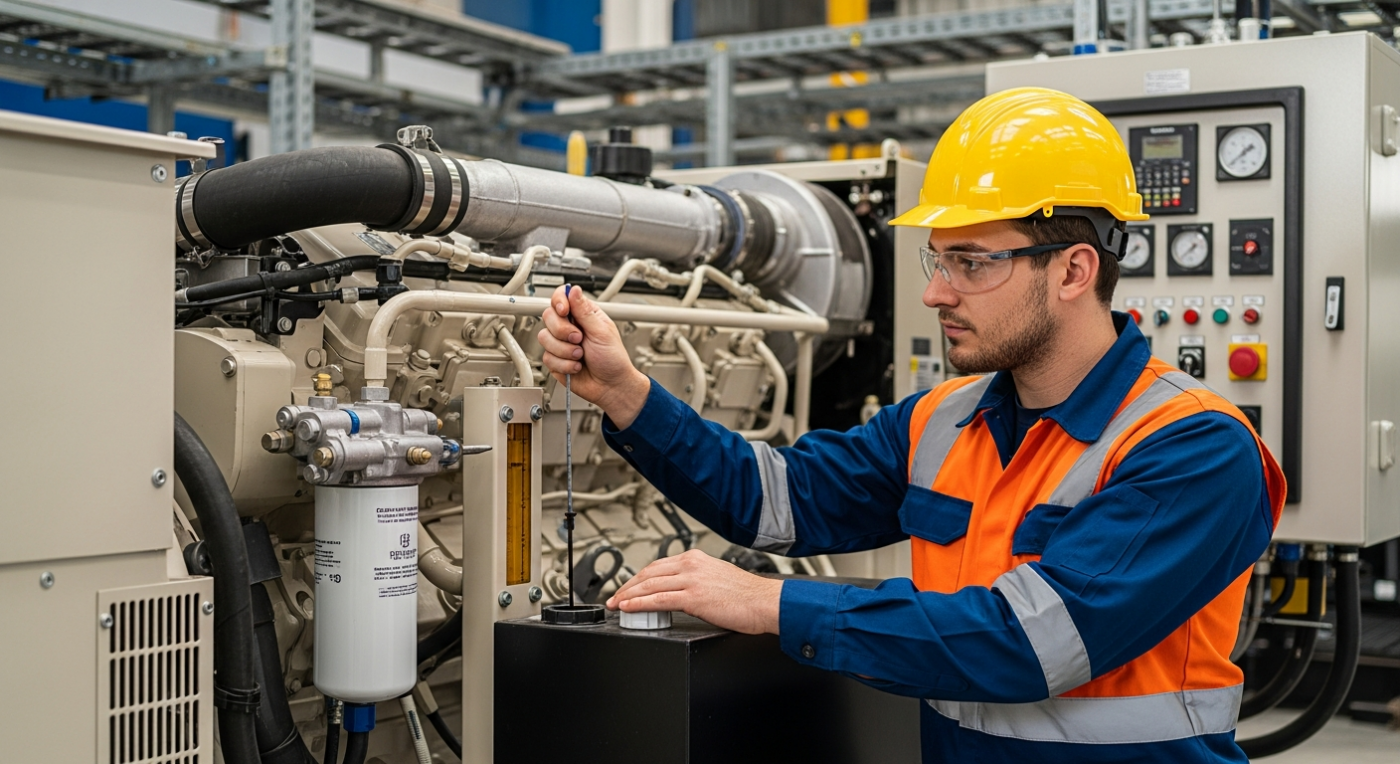
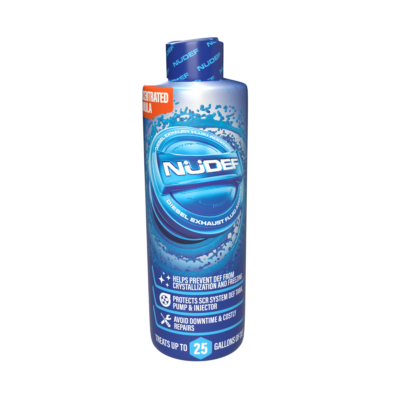
Treat at every fill. When your service provider tops off the DEF tank during scheduled maintenance, add NuDef at that time. One bottle treats 25 gallons — most generator DEF tanks range from 10 to 65 gallons depending on the unit. For context, a Cat C15 500 kW genset typically carries a 30-gallon DEF tank.
Treat before extended standby. If a generator is going into a seasonal standby period — construction offseason, event season wrap-up, or a facility that only needs backup during hurricane season — treat the DEF before the idle period starts. NuDef stabilizes the fluid and inhibits crystallization during storage.
Treat rental returns. Generator rental companies should treat DEF in every unit that comes back from a job before it goes to the yard. This prevents crystallized DEF from becoming the next customer’s problem.
Include it in the maintenance contract. For facility managers and procurement departments, NuDef should be a line item in your generator maintenance contract, right next to oil filters, coolant testing, and load bank testing. It’s a small addition to the PM scope that prevents expensive SCR repairs.
For wholesale and fleet pricing for generator maintenance operations, visit our wholesale program page. For generator sales, service, and parts, visit Power Generation Enterprises at powergenenterprises.com — NuDef’s sister company specializing in standby and prime power generator solutions.
Procurement and Fleet Integration
Data center operators, hospital facility managers, generator rental companies, and construction power providers all share one thing: procurement departments that buy on PO terms and need clear line-item justification.
NuDef fits into generator maintenance contracts as a consumable — the same category as filters, belts, and coolant additives. We offer wholesale pricing for fleet accounts, scheduled delivery programs, and documentation your procurement team can attach to a purchase order.
For an in-depth guide on managing DEF across an industrial generator fleet, see our fleet manager resource. It covers inventory management, treatment scheduling, and recordkeeping for multi-site generator programs.
If you’re managing DEF across 10 generators or 200, the math is straightforward: preventive DEF treatment costs a fraction of a single SCR repair, and it’s infinitely cheaper than the consequences of a generator that won’t start when the grid goes down.