How SCR Systems Actually Work
Most diesel operators know their Tier 4 equipment needs DEF, but few understand what happens after that blue fluid enters the tank. The SCR system is essentially a chemical reactor mounted in your exhaust stream, and knowing its basics makes troubleshooting far easier.
Diesel exhaust contains nitrogen oxides, commonly called NOx, that regulations require us to eliminate. The SCR system injects a precise mist of DEF into the hot exhaust gases upstream of a specially coated catalyst. When urea-based DEF hits exhaust temperatures above 570°F, it breaks down into ammonia. This ammonia then reacts with NOx inside the catalyst, converting harmful emissions into simple nitrogen and water vapor.
The entire process depends on precise timing, correct temperatures, and high-quality DEF. When any element fails, the system either triggers fault codes or, worse, allows the catalyst to become damaged, an expensive repair that proper maintenance prevents entirely.
The DEF Delivery System
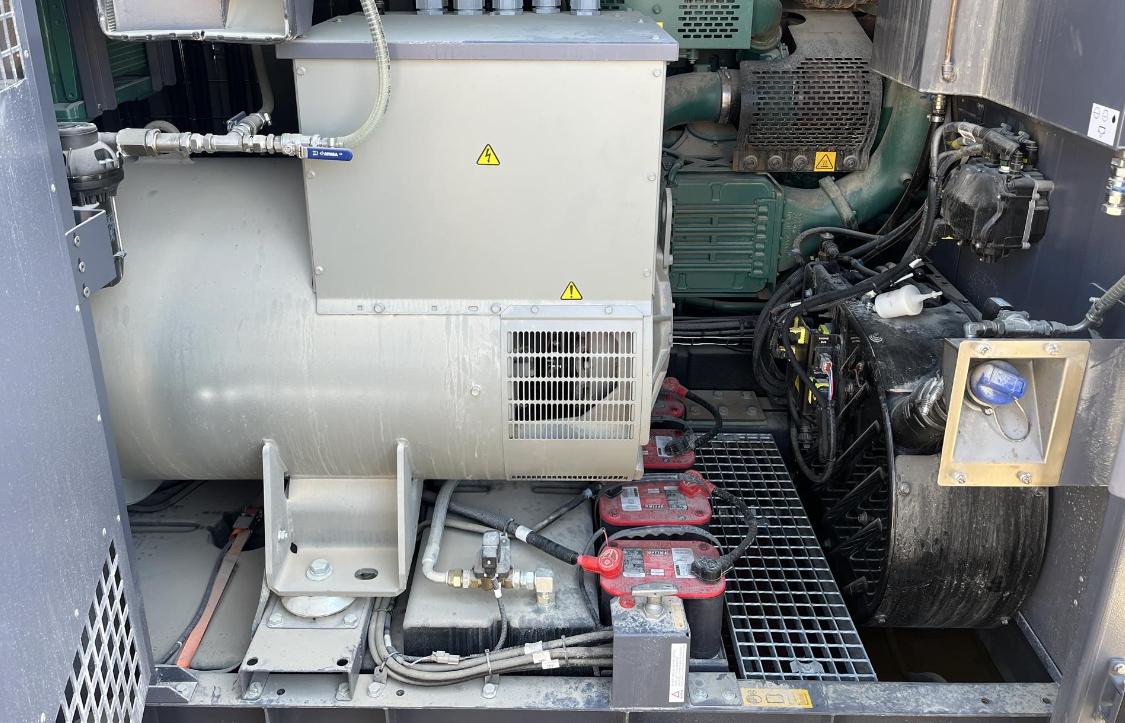
Between your DEF tank and the exhaust pipe sits a surprisingly complex delivery system. The DEF pump draws fluid from the tank through a pickup tube with a filter screen. This pump must overcome the challenge of handling a liquid that freezes at 12°F and degrades in heat, all while maintaining precise injection pressure.
The dosing module receives signals from the engine computer about exhaust temperature, NOx sensor readings, and engine load. It calculates exactly how much DEF to inject, typically 2-5% of fuel consumption, and commands the injector accordingly. This injector sprays DEF through a decomposition tube where it vaporizes before reaching the catalyst.
Each component has maintenance requirements. The tank filter catches sediment but eventually clogs. The pump seals wear over time. The injector tip accumulates deposits that affect spray pattern. Heated lines that prevent freezing can develop electrical faults. Understanding this chain helps you identify problems early.
Common SCR Failure Points
Crystallization causes more SCR failures than any other issue. When DEF sits in warm conditions, water evaporates and leaves concentrated urea behind. These crystals block injectors, clog filters, and coat sensors. Standby generators and seasonal equipment face the highest risk because DEF sits idle for extended periods.
Quality-related failures come next. Contaminated DEF, whether from dirty containers, wrong fluids, or degraded stock, damages the catalyst irreversibly. A catalyst replacement on a large generator can exceed $15,000, making DEF quality worth obsessing over.
Temperature extremes cause predictable problems. Frozen DEF expands and can crack tanks or lines. Heat above 86°F accelerates degradation. Equipment stored outdoors faces both challenges seasonally. Heated tanks and proper stabilization address these risks.
Sensor failures often get blamed on faulty parts when the real culprit is crystallized deposits on sensor tips. Cleaning or prevention often solves what looks like an electrical problem.
Maintenance Schedule by Component
DEF Tank (Monthly)
Inspect the fill cap seal for cracks or contamination. Check the tank exterior for damage. On equipment with sight gauges, look for cloudiness or sediment. If equipped with a tank heater, verify it operates in cold weather.
Pump and Lines (Quarterly)
Listen for unusual pump sounds during startup. Check heated line connections for security and corrosion. Inspect for any DEF weeping at fittings. On equipment with accessible pump screens, check for debris buildup.
Injector and Decomposition Tube (Every 500 Hours or Annually)
Remove and inspect the DEF injector for crystalline deposits. Clean with warm water only. Never use solvents. Inspect the decomposition tube for heavy buildup. Replace the injector if spray pattern testing shows irregularity.
NOx Sensors (Every 1000 Hours or Bi-Annually)
These sensors calibrate themselves but accumulate deposits over time. Inspect mounting areas for exhaust leaks. Replace sensors showing response time degradation or intermittent readings.
Catalyst (Annually)
Professional inspection recommended. Look for physical damage to the honeycomb structure. Check for contamination from coolant leaks, oil consumption, or fuel issues. Thermal imaging can reveal dead zones indicating internal damage.
When to Call a Professional
Some SCR issues require specialized equipment and expertise. Catalyst efficiency testing needs exhaust gas analyzers that most shops don’t own. Injector flow testing requires calibrated equipment. NOx sensor diagnostics benefit from factory scan tools that show live data streams.
Call a professional when you see multiple related fault codes appearing together, when clearing codes results in immediate return, when you notice visible catalyst damage or discoloration, or when DEF consumption suddenly changes without explanation. These patterns suggest systemic issues beyond basic maintenance.
For fleet operations, establishing a relationship with a qualified diesel emissions specialist pays dividends. Scheduled inspections catch problems early, and familiarity with your specific equipment accelerates diagnosis when issues occur.
Protecting Your Investment
SCR system longevity comes down to three factors: fuel quality, DEF quality, and proper maintenance intervals. You likely already monitor fuel carefully. DEF deserves the same attention.
For equipment that runs continuously, standard DEF management works fine. The fluid turns over quickly enough that degradation is not a concern. But standby generators, seasonal equipment, and rental fleets face a different reality. DEF sits for weeks or months, crystallizing and degrading while you’re not watching.
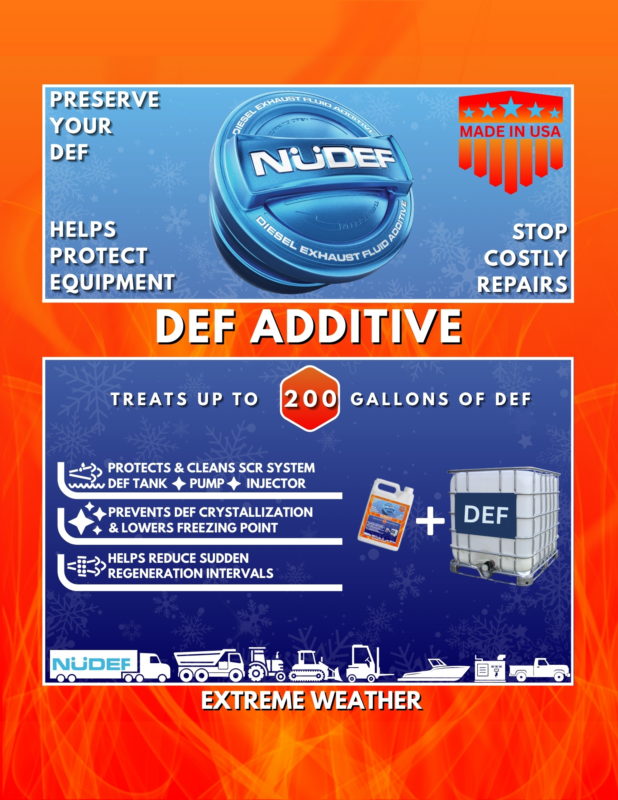
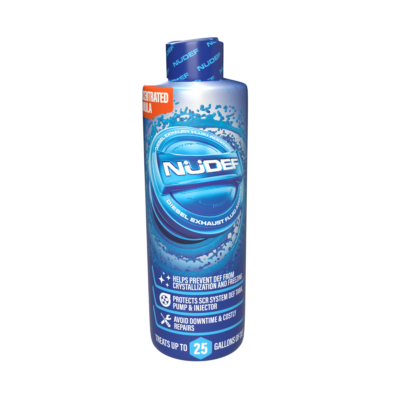
This is exactly why we developed NüDef stabilizer. Adding it to your DEF prevents crystallization during extended storage and protects fluid quality through temperature swings. One treatment when you fill the tank provides ongoing protection until the next fill.
The math is simple: a bottle of NüDef costs less than a single service call. It costs far less than a clogged injector. And it costs a tiny fraction of catalyst replacement. For any equipment that doesn’t run daily, stabilization is not optional. It is essential maintenance.