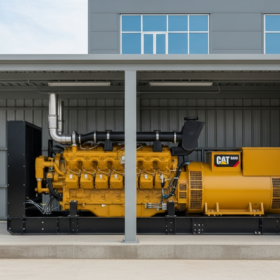
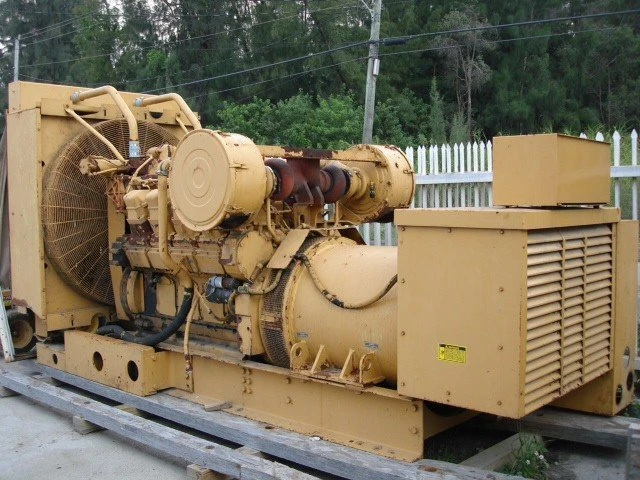
Managing diesel exhaust fluid across a fleet of industrial generators presents unique challenges that most DEF guidance simply doesn’t address. Unlike over-the-road trucks that burn through DEF quickly, stationary generators and heavy equipment often sit idle for extended periods, creating the perfect conditions for DEF degradation and system failures.
Why Generator DEF Is Different
Industrial generators operate under fundamentally different conditions than trucks and other vehicles. A semi-truck might use 2-3 gallons of DEF per 100 miles, cycling through tank contents regularly. A standby generator, however, might only run during monthly tests or actual emergencies, meaning the same DEF sits in the tank for weeks or months.
This extended storage creates three critical problems:
Temperature cycling causes condensation inside DEF tanks. As ambient temperatures rise and fall, moisture accumulates and dilutes the precise 32.5% urea concentration that SCR systems require.
Ammonia off-gassing occurs when DEF sits too long, especially in warm environments. The urea breaks down, reducing DEF effectiveness and potentially damaging sensors.
Crystallization accelerates in stagnant DEF. Without regular flow through the system, urea crystals form on tank walls, in lines, and around injectors, eventually causing blockages that trigger fault codes.
The Real Cost to Fleet Operations
When a backup generator fails to start during a grid outage, the consequences extend far beyond a simple repair bill. Data centers face SLA violations and potential data loss. Hospitals risk patient safety. Manufacturing facilities lose production runs worth hundreds of thousands of dollars.
DEF system failures account for an increasing percentage of Tier 4 Final generator service calls. The average repair cost for a clogged DEF injector runs $800-$1,500 in parts alone, plus labor and the hidden cost of emergency service premiums. Replace an entire SCR catalyst and you’re looking at $5,000-$15,000 depending on generator size.
These failures are almost entirely preventable with proper DEF management.
DEF Management Strategies for Fleets
Effective fleet DEF management requires a systematic approach that accounts for the unique challenges of stationary and intermittently-used equipment.
Implement rotation schedules. Track DEF age in each piece of equipment and prioritize using older stock first. Most manufacturers recommend using DEF within 12 months of production, but generators in warm climates should cycle through DEF every 6 months.
Standardize storage conditions. DEF degrades rapidly above 86°F (30°C). For bulk storage tanks, install shade structures or climate control. For equipment in the field, park generators with DEF tanks shaded when possible.
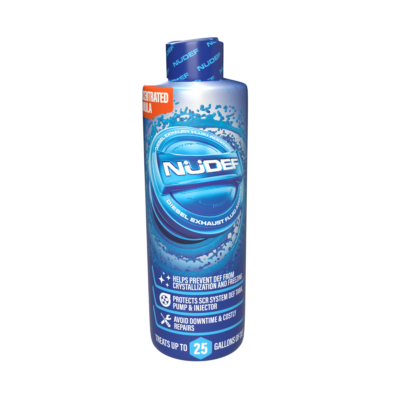
Use DEF stabilizers proactively. Adding NüDef to every DEF fill prevents crystallization before it starts. One bottle treats 25 gallons, a minimal investment compared to emergency repairs.
Test DEF quality regularly. Refractometers cost under $50 and take seconds to verify urea concentration. Test bulk tanks monthly and equipment tanks before critical deployments.
Recommended Maintenance Schedule
For standby generators and intermittently-used equipment, follow this DEF maintenance calendar:
Monthly: Visual inspection of DEF tank and fill area for crystalline deposits. Check DEF level and top off with treated fluid.
Quarterly: Test DEF concentration with refractometer. Inspect DEF lines and connections for leaks or white residue. Run generator under load for minimum 30 minutes to cycle DEF through system.
Annually: Drain and replace DEF in equipment that hasn’t cycled through a full tank. Clean fill neck and cap threads. Inspect DEF filter and replace if restricted.
Choosing the Right Generators
When expanding your fleet with Tier 4 Final generators, consider DEF system accessibility in your selection criteria. Look for:
– Easy-access DEF fill locations that won’t be blocked by installation constraints
– DEF tank heaters for cold climate operation
– Quality DEF filtration systems
– Clear sight gauges or electronic level monitoring
Reputable dealers like Power Generation Enterprises can help specify equipment with maintainable DEF systems and provide ongoing support for your fleet.
How NüDef Protects Generator Fleets
NüDef’s triple-action formula addresses every challenge specific to industrial generator DEF systems:
Prevents crystallization in stagnant DEF by stabilizing the urea solution, even during extended storage periods between generator runs.
Lowers freezing point to protect DEF systems in unheated equipment enclosures or outdoor installations.
Cleans existing deposits from tanks, lines, and injectors, restoring flow to systems with early-stage crystallization.
For fleet managers, NüDef eliminates the single largest preventable cause of Tier 4 generator failures. The math is simple: one bottle of NüDef costs less than a single service call, and treats enough DEF for multiple pieces of equipment.